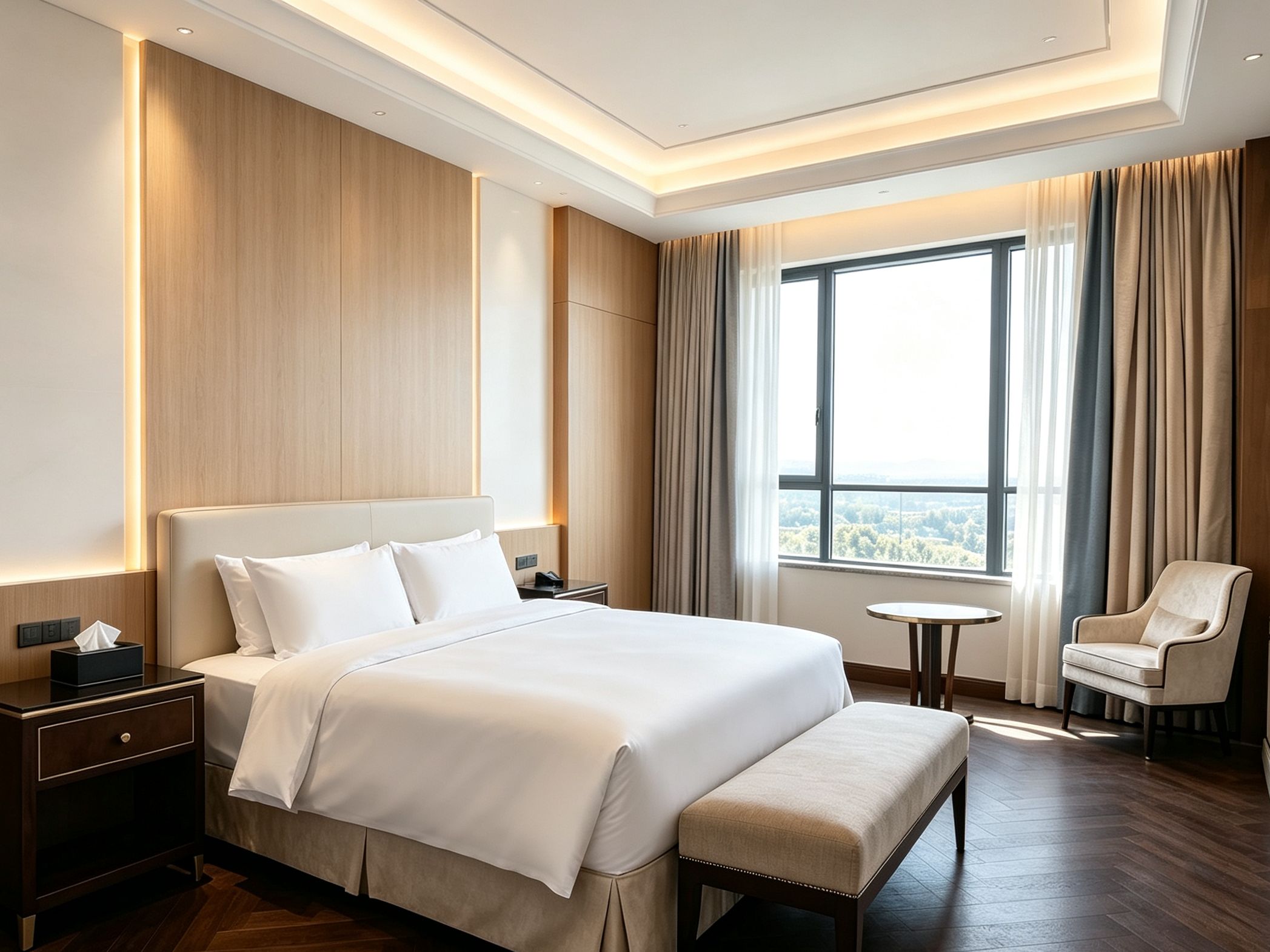
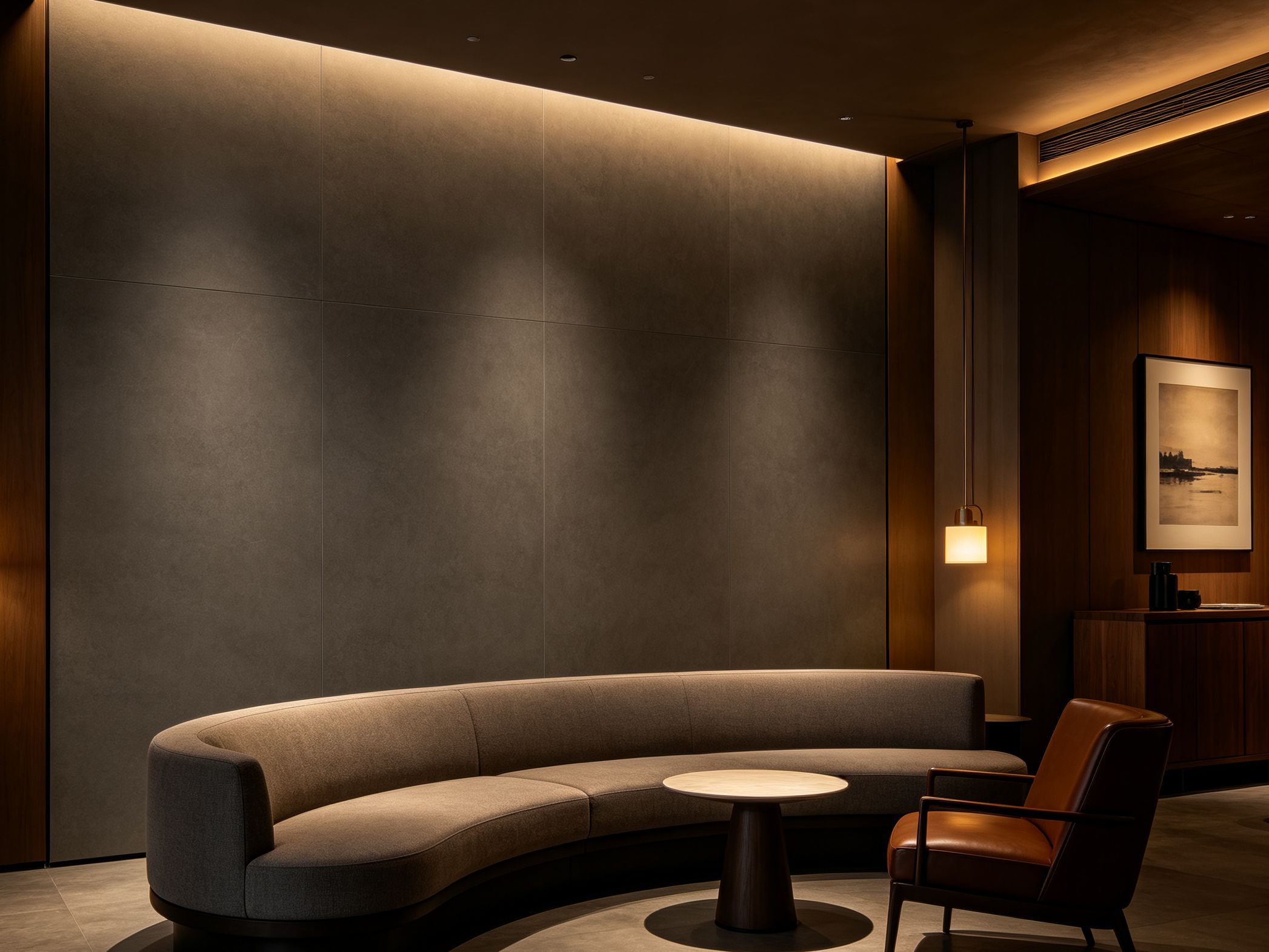
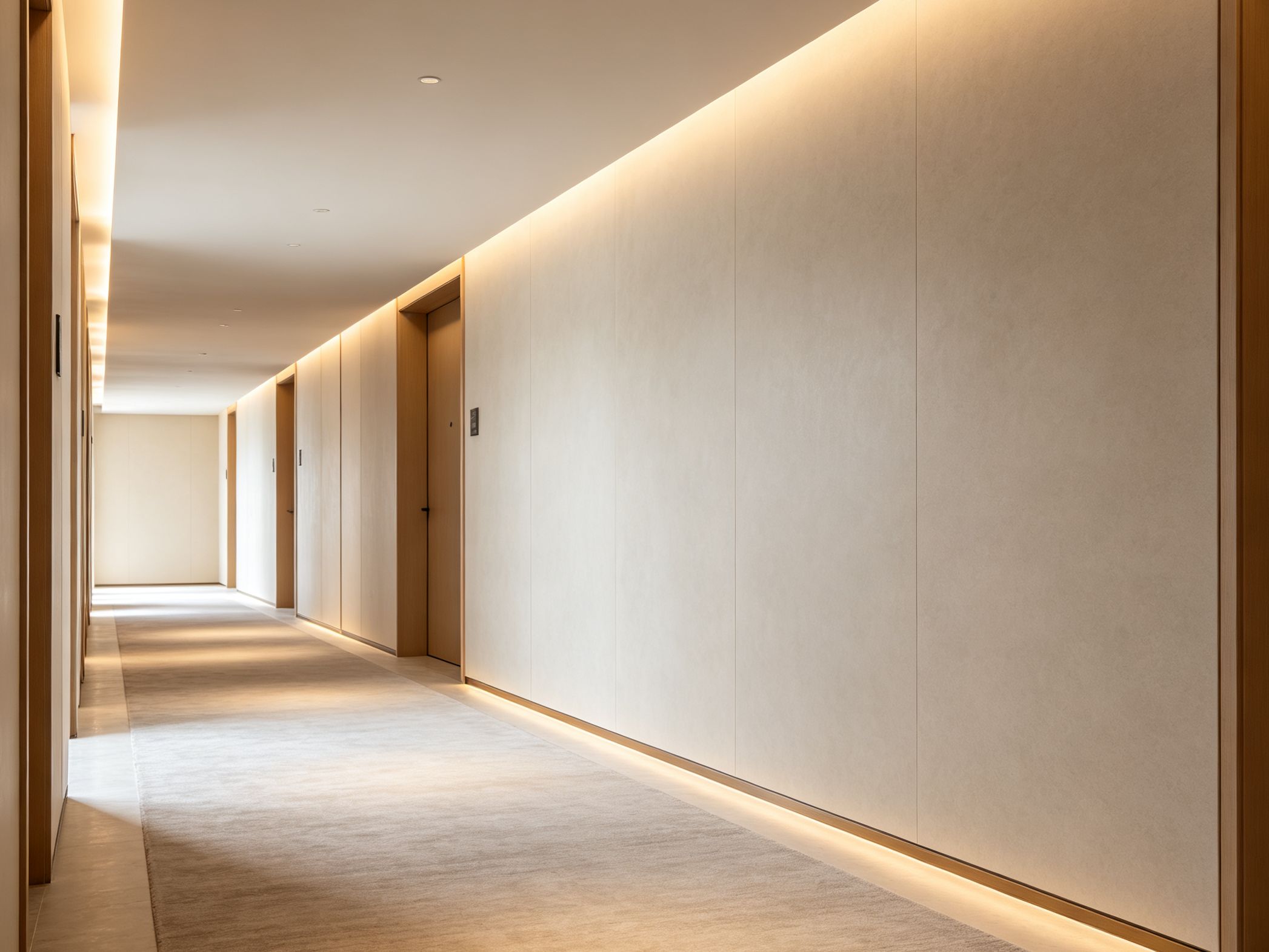
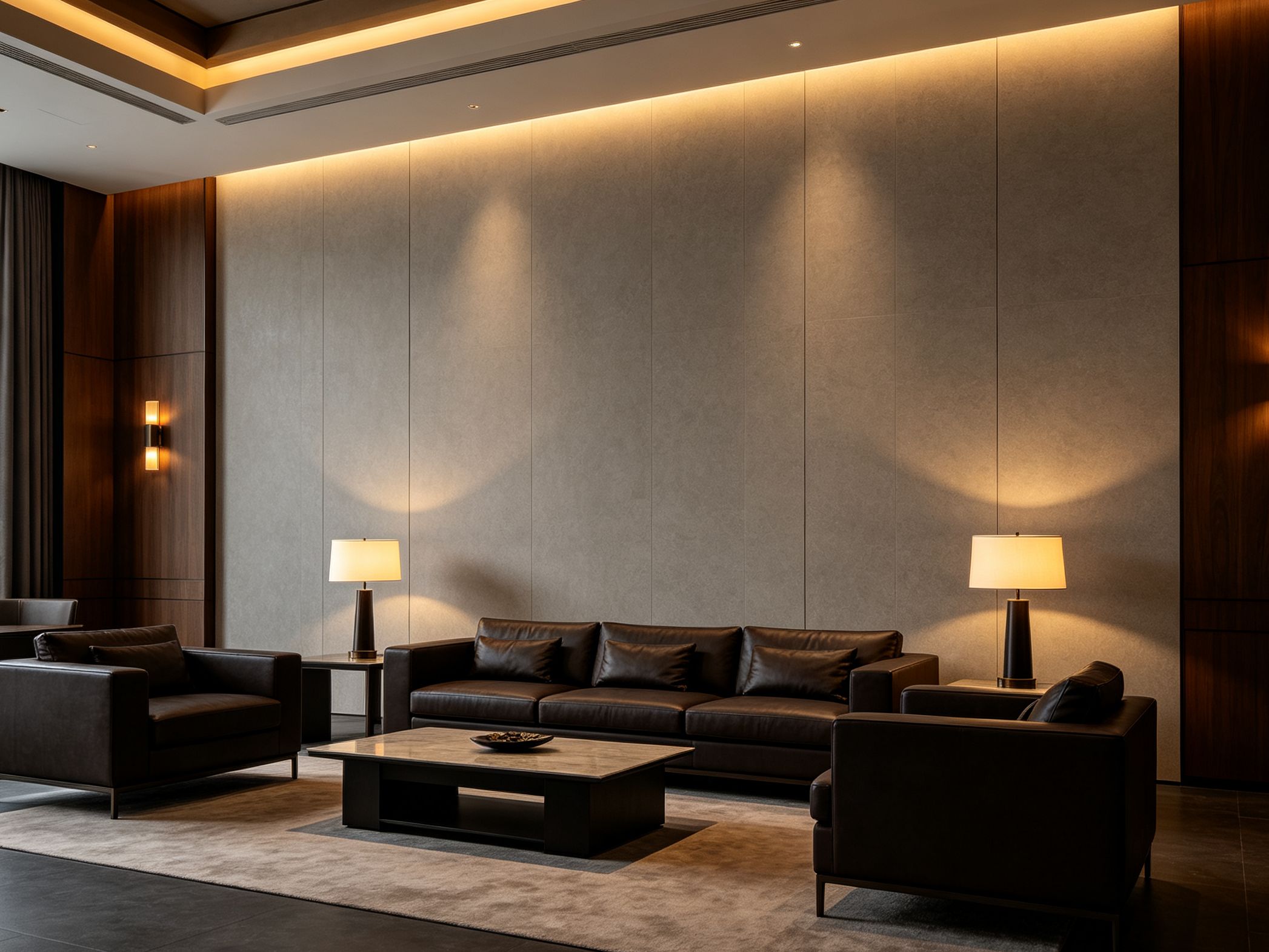
What Is LED Skirting Boards? Complete Product Knowledge Guide LED skirting boards
What Is LED Skirting Boards?
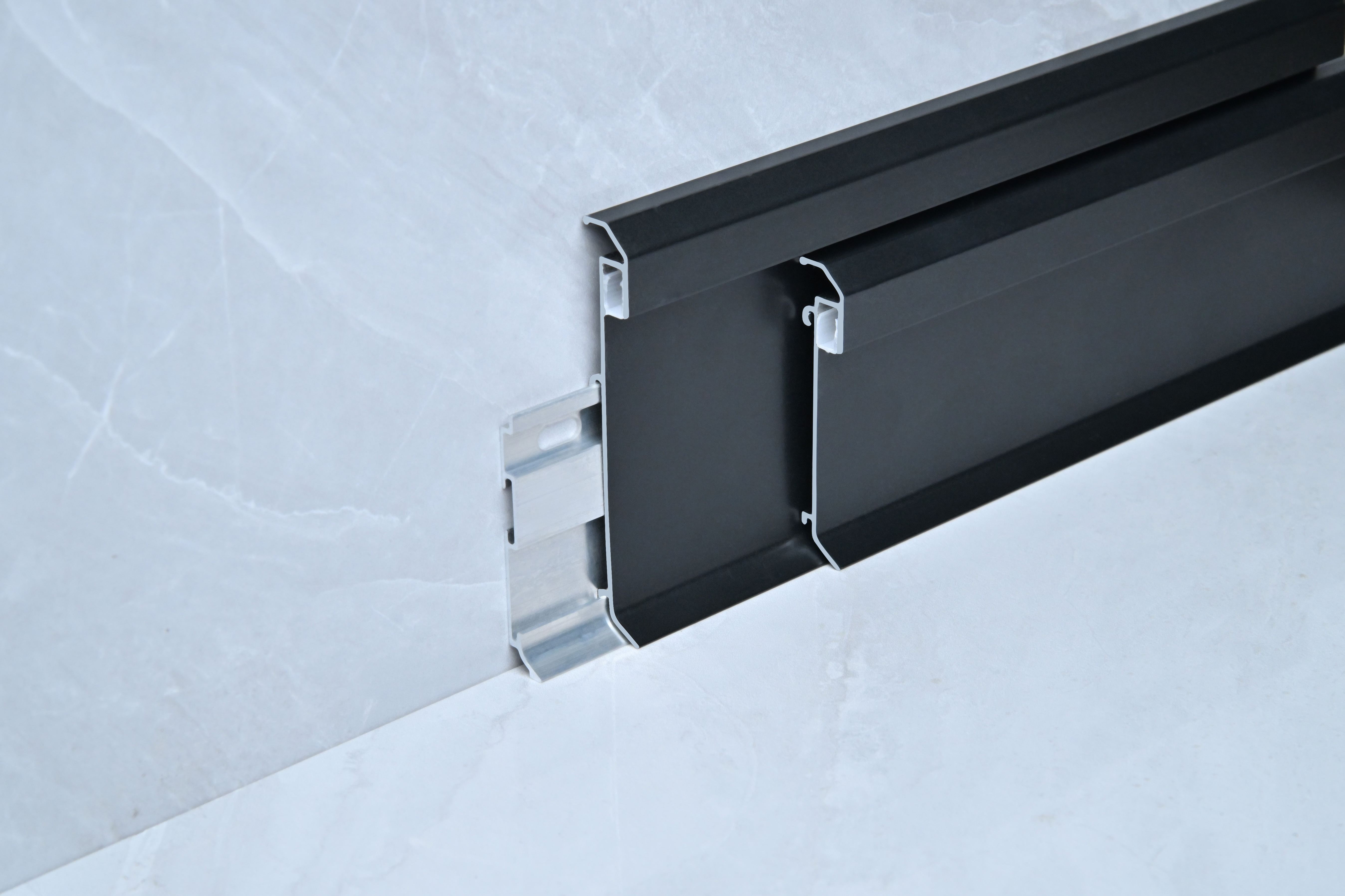
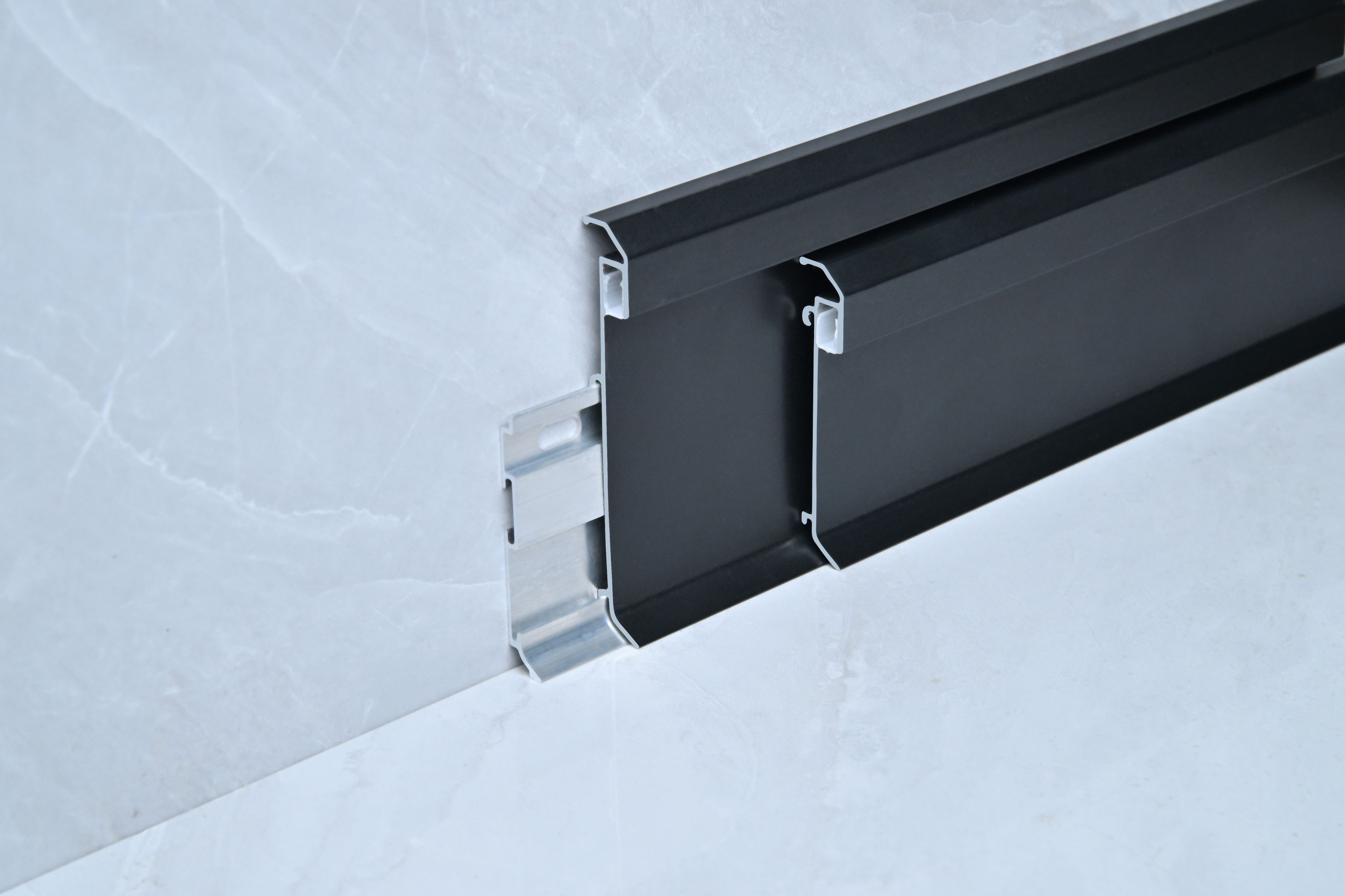
LED skirting boards are modern architectural finishing materials installed at the base of walls where the wall meets the floor. Unlike traditional skirting boards that only provide decorative and protective functions, LED skirting boards integrate LED lighting technology into the baseboard structure. This allows them to serve both as wall protection and as indirect lighting systems that enhance the visual atmosphere of interior spaces.
In recent years, LED skirting boards have become increasingly popular in modern architectural design because they combine practicality with aesthetic lighting effects. Designers and contractors often choose LED skirting boards when they want to create ambient lighting along corridors, hallways, living spaces, or commercial interiors. For buyers looking to buy LED skirting boards from a professional LED skirting board supplier, these products provide both functional lighting and decorative wall finishing in a single solution.
LED skirting boards are widely used in residential apartments, hotels, offices, retail spaces, and modern building projects in markets such as Indonesia, where contemporary interior design and efficient lighting solutions are increasingly in demand.
Material Composition & Structure
LED skirting boards are typically manufactured using aluminum alloy profiles combined with LED lighting components. The aluminum base structure provides strength, durability, and heat dissipation, which is essential for maintaining stable LED performance.
The typical structure of LED skirting boards includes:
-
Aluminum skirting board profile
-
LED light strip channel
-
Diffuser cover (usually acrylic or polycarbonate)
-
LED strip lighting
-
Power supply and wiring system
-
End caps and connectors
The aluminum profile acts as both the structural body and a heat sink, ensuring the LED lighting remains stable during long-term operation. The diffuser cover softens the light output, producing smooth indirect lighting that enhances interior design aesthetics.
Because of these engineering features, LED skirting boards provide energy efficient lighting, modern design integration, and durable architectural trim.
Key Features & Advantages
LED skirting boards provide multiple functional and design advantages compared with traditional wall base systems.
Integrated Lighting Design
LED lighting built into the skirting board creates soft floor-level illumination that enhances the atmosphere of interior spaces.
Energy Efficiency
LED technology consumes significantly less energy compared with conventional lighting systems.
Modern Architectural Appearance
LED skirting boards create a minimalist and contemporary look that fits modern interior design trends.
Wall Protection
Like traditional baseboards, LED skirting boards protect the lower wall area from damage caused by cleaning equipment, furniture, or foot traffic.
Long Service Life
High-quality LED strips combined with aluminum profiles ensure durability and stable performance.
For architects and buyers who want to buy LED skirting boards from reliable LED skirting board suppliers, these advantages make the product an attractive solution for both residential and commercial projects.
Manufacturing Process
The production of LED skirting boards begins with aluminum extrusion. Aluminum billets are heated and pressed through extrusion molds to create precise skirting board profiles.
After extrusion, the aluminum profiles undergo surface finishing processes such as anodizing, powder coating, or brushing. These treatments enhance corrosion resistance and provide decorative finishes suitable for different interior styles.
Next, LED channels are precisely machined into the profiles. LED strips, wiring systems, and diffuser covers are then assembled to create a complete LED skirting board system.
Many manufacturers produce these products specifically for international markets such as Indonesia, ensuring compliance with construction and electrical safety standards.
Specifications & Sizes
LED skirting boards are available in a variety of dimensions to suit different architectural requirements.
Typical specifications include:
-
Height: 60 mm – 120 mm
-
Thickness: 10 mm – 20 mm
-
Standard length: 2.5 m or 3 m
-
Material: aluminum alloy
-
Lighting type: integrated LED strip
-
Surface finishes: brushed aluminum, black, white, champagne
These specifications allow the product to fit many modern commercial interiors and residential design styles.
Applications
LED skirting boards are widely used in many interior environments, including:
-
Residential apartments
-
Hotels and hospitality spaces
-
Office buildings
-
Retail stores
-
Luxury homes
-
Corridors and hallways
-
Modern commercial interiors in Indonesia
Their combination of lighting and wall protection makes them particularly suitable for contemporary architectural designs.
Comparison With Other Materials
Traditional skirting boards such as wood or PVC provide only decorative functions. They do not include lighting features and may suffer from moisture damage or deformation.
Standard aluminum skirting boards offer durability but lack integrated lighting functionality.
LED skirting boards combine the durability of aluminum with the visual impact of architectural lighting. For buyers seeking innovative interior finishing products from LED skirting board suppliers, they provide superior design value.
Installation, Maintenance & Lifespan
LED skirting boards are typically installed using mounting clips, screws, or adhesive systems depending on the design.
Electrical wiring for the LED strip is connected to a low-voltage power supply concealed within the wall or floor structure.
Maintenance is simple and mainly involves occasional cleaning of the diffuser cover. Because LEDs are energy efficient lighting solutions with long lifespans, LED skirting boards can operate for more than 30,000 hours under normal conditions.
Pros & Cons
Advantages
-
Integrated architectural lighting
-
Modern interior design effect
-
Durable aluminum structure
-
Energy efficient lighting
-
Long lifespan
Limitations
-
Requires electrical wiring during installation
-
Higher cost than traditional skirting boards
Despite these limitations, many architects and contractors prefer LED skirting boards for contemporary interior design.
Buying Guide
When selecting LED skirting boards, buyers should consider several important factors.
First, check the profile size and lighting design to ensure it fits the intended space. Larger commercial areas may require stronger lighting output.
Second, verify the LED quality and power system, as this affects brightness and lifespan.
Third, choose a reliable LED skirting board supplier that provides stable manufacturing quality and export experience.
For projects in Indonesia, buyers should also consider climate conditions, installation methods, and compatibility with modern commercial interiors.
Selecting the right LED skirting board ensures both functional lighting and elegant architectural finishing.
What Is SPC Anti-Collision Wall Panels? Complete Product Knowledge Guide SPC Anti-Collision Wall Panels
What Is Aluminum Alloy Skirting Board? Complete Product Knowledge Guide aluminum alloy skirting board