SPC Wall Panels vs Traditional Wall Materials: Which Is Best for Hotels in the Philippines?
Overview of Interior Wall Material Options
Selecting the right interior wall material is one of the most important decisions in hotel construction and renovation. The wall system directly influences installation speed, long-term maintenance costs, fire safety, moisture resistance, and the overall appearance of the building.
In the Philippines, hotel developers, contractors, and distributors commonly compare four wall solutions:
- SPC Stone Plastic Composite Wall Panels
- Painted Gypsum Board
- Ceramic Tiles
- PVC Wall Panels
Each material has its own strengths, limitations, and ideal applications.
Painted gypsum board has long been a popular solution because of its low initial cost and easy availability. However, it is more vulnerable to moisture damage and often requires repainting after years of use.
Ceramic tiles provide excellent water resistance and durability, making them suitable for bathrooms and wet areas. However, they are heavy, require skilled labor, and usually involve longer installation times.
PVC wall panels are lightweight and economical, making them suitable for budget renovation projects. While they offer good moisture resistance, they generally provide lower impact resistance and a shorter service life than higher-performance wall systems.
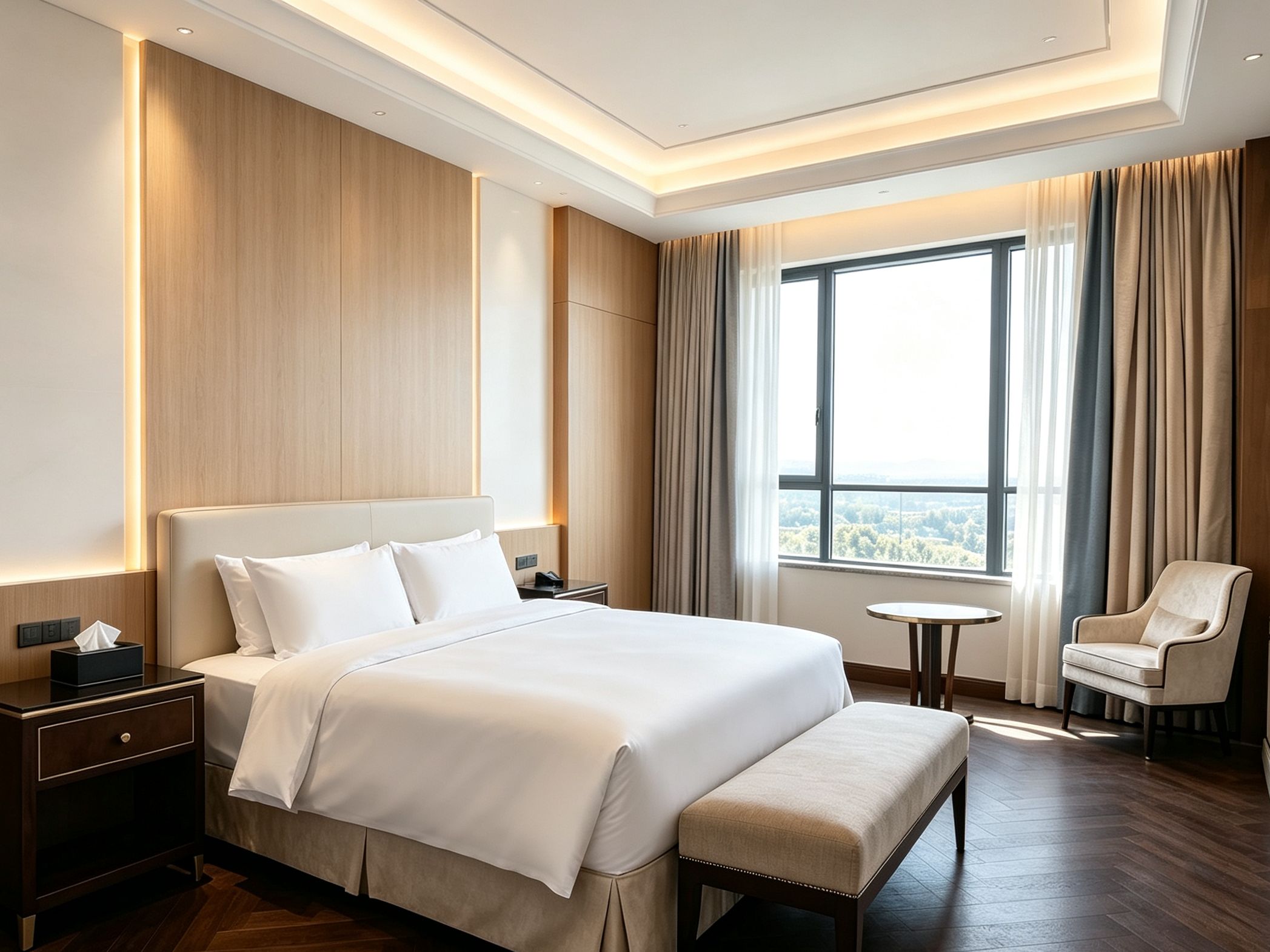
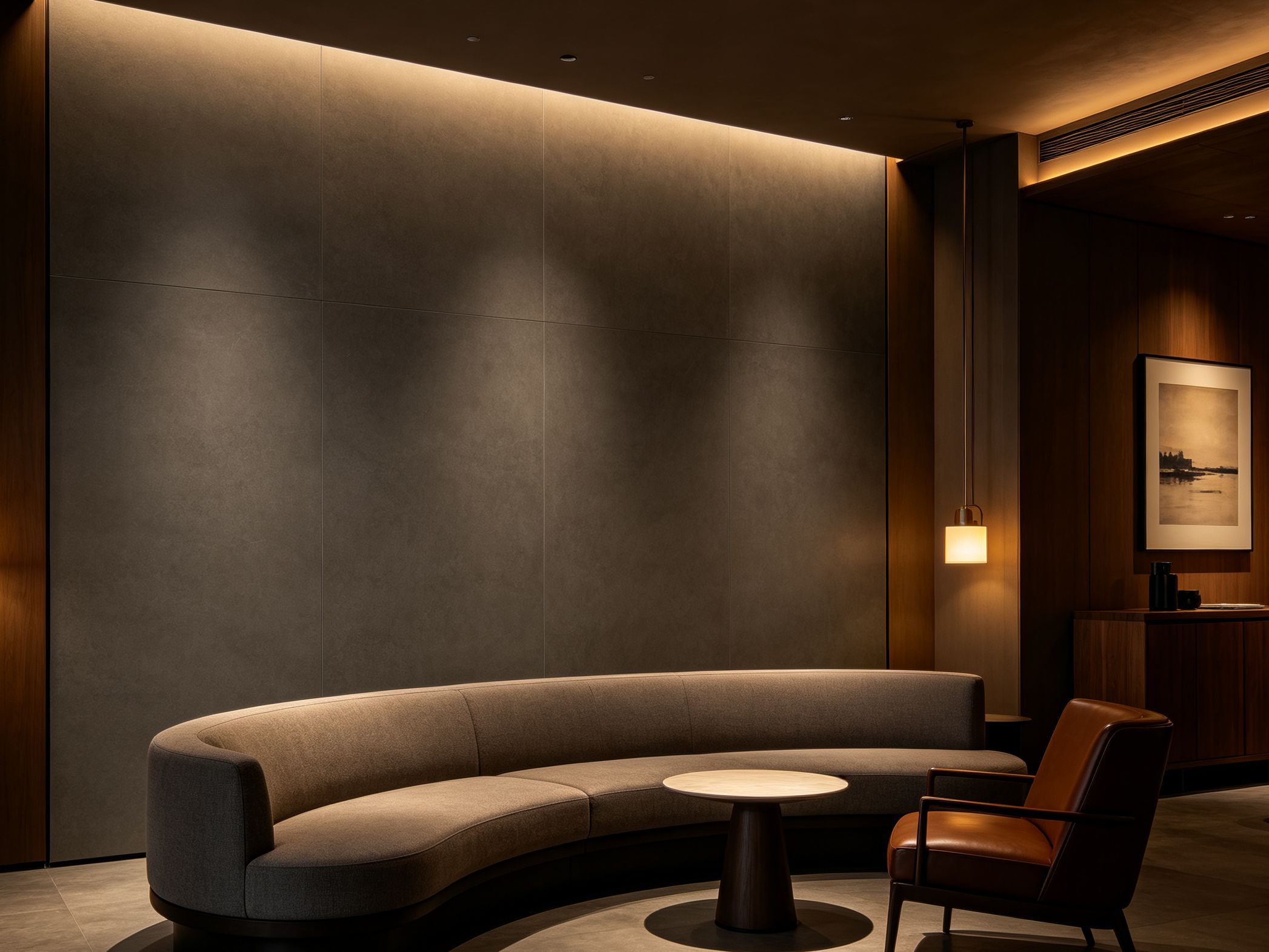
SPC Wall Panels combine the advantages of modern composite materials with practical installation efficiency. Their waterproof structure, commercial durability, and attractive decorative finishes have made them increasingly popular for hotel projects where appearance, performance, and construction efficiency are equally important.
As commercial construction standards continue to improve in the Philippines, more developers are selecting wall systems based on long-term value rather than initial purchase price alone.
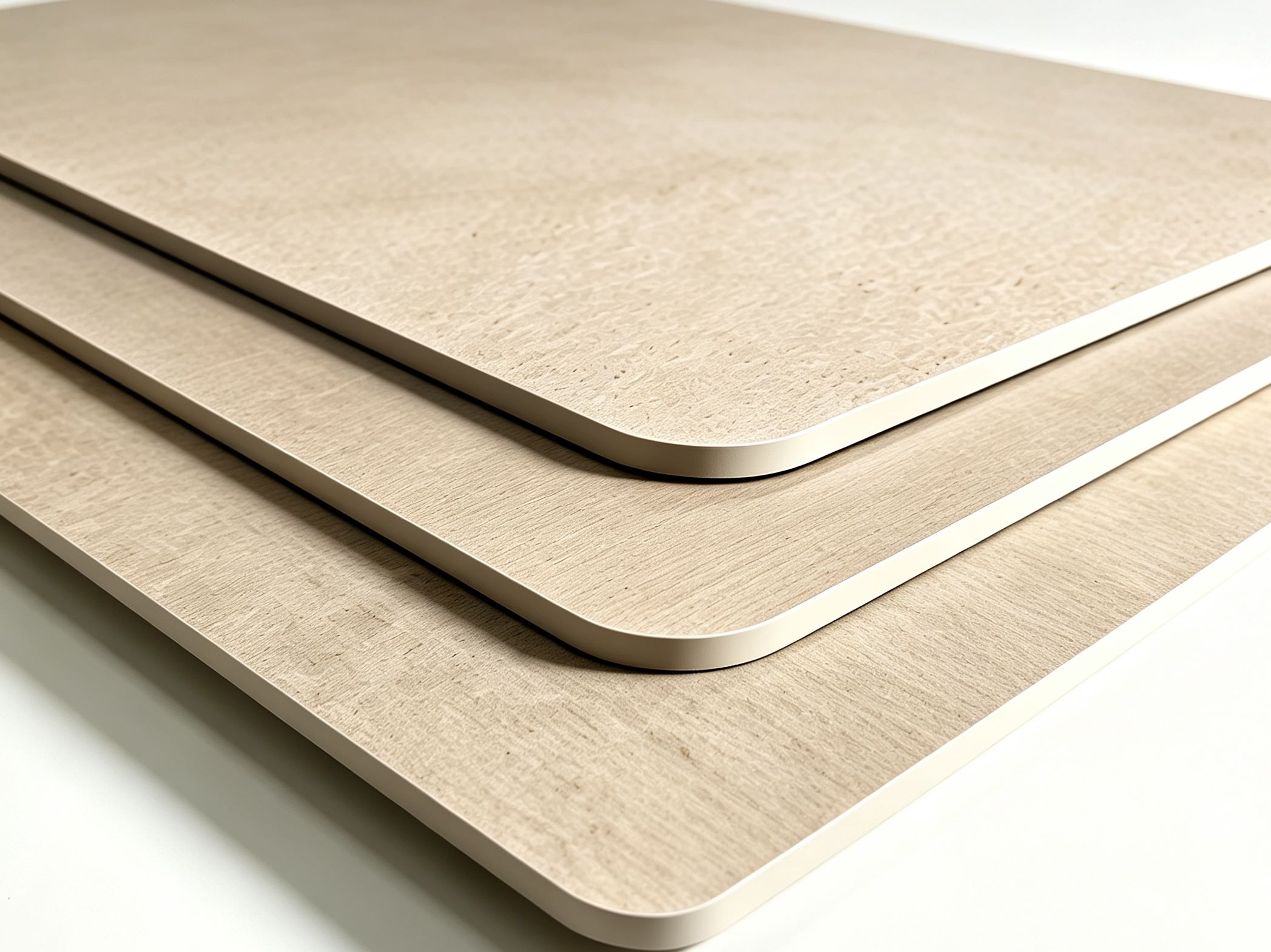
SPC Wall Panels vs Traditional Wall Materials
Every wall material performs differently under real construction conditions. Instead of comparing only the purchase price, professional buyers should evaluate the entire project lifecycle, including installation, maintenance, durability, and future replacement costs.
The following comparison provides a practical overview of the most important differences.
Material Comparison
| Feature | SPC Wall Panels | Painted Gypsum Board | Ceramic Tiles | PVC Wall Panels |
|---|---|---|---|---|
| Waterproof Performance | Excellent | Poor | Excellent | Good |
| Fire Resistance | High | Moderate | High | Moderate |
| Installation Speed | Fast | Moderate | Slow | Fast |
| Durability | Excellent | Moderate | Excellent | Good |
| Maintenance | Low | High | Moderate | Moderate |
| Design Options | Excellent | Good | Good | Moderate |
| Price Level | Medium | Low | High | Low |
| Best Application | Hotels & Commercial Projects | Dry Interior Areas | Bathrooms & Wet Areas | Budget Renovation |
Waterproof Performance
Hotels operate in environments where humidity is often unavoidable. Guest bathrooms, kitchens, corridors, and coastal locations all require materials with reliable moisture resistance.
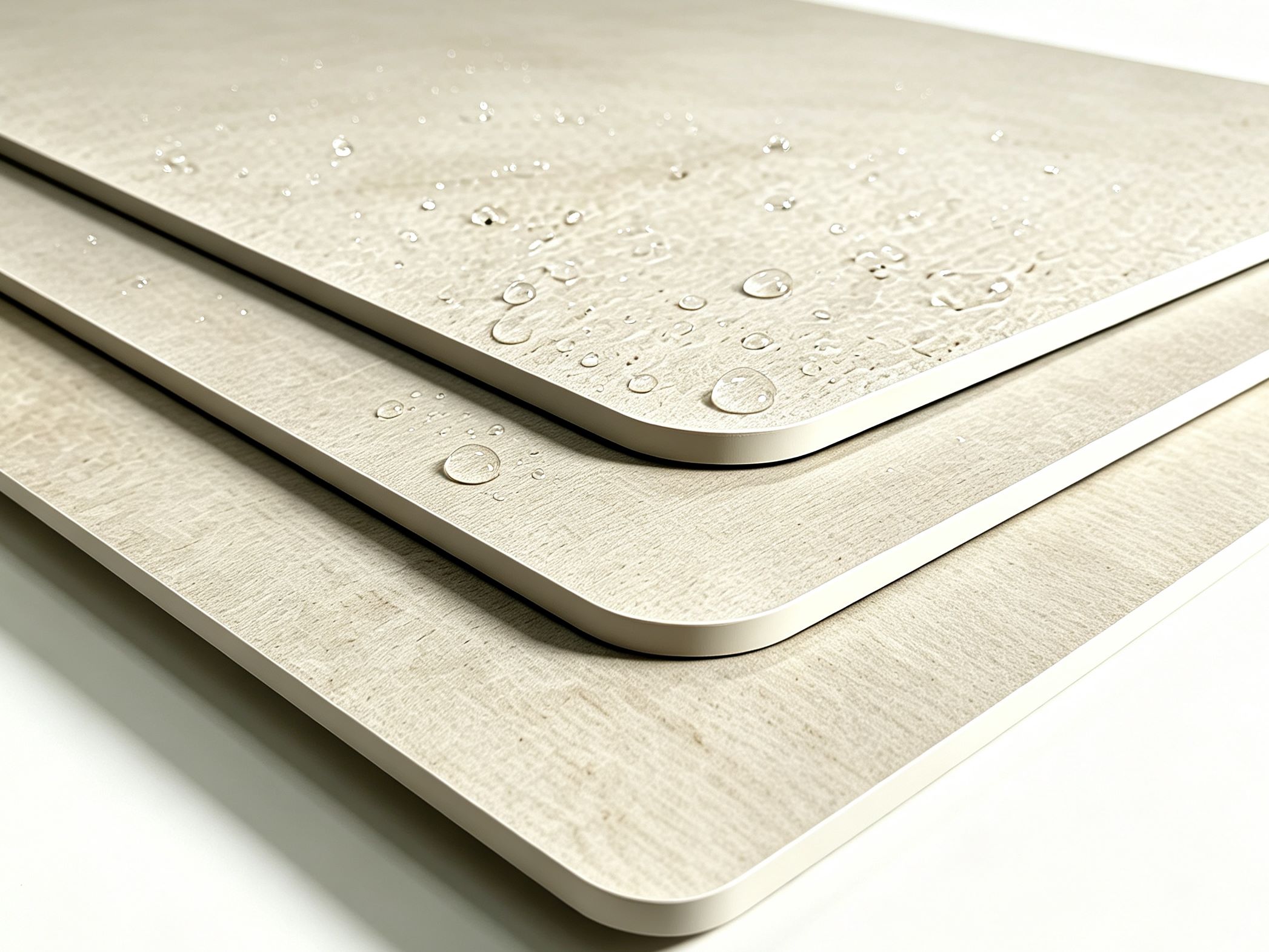
SPC Wall Panels feature a waterproof composite core that helps prevent swelling, warping, and mold growth. Ceramic tiles also perform well in wet environments, but grout lines require regular maintenance. Painted gypsum board is generally unsuitable for areas with frequent moisture exposure, while PVC wall panels provide acceptable moisture resistance but lower structural strength.
Fire Resistance
Fire safety is a key consideration for commercial buildings.
SPC Wall Panels can be manufactured to meet commercial fire performance requirements, making them suitable for hotels, offices, and public buildings. Ceramic tiles are naturally non-combustible, while painted gypsum board offers moderate fire resistance depending on the construction system. PVC wall panels generally provide lower fire performance than commercial-grade SPC products.
Project specifications should always be confirmed according to local building regulations and project requirements.
Installation Speed
Construction schedules directly affect project costs.
SPC Wall Panels are designed for efficient installation using click-lock systems or adhesive fixing methods, helping contractors reduce labor time and accelerate project completion.
Ceramic tiles require substrate preparation, adhesive curing, grouting, and additional finishing work, making installation significantly slower. Painted gypsum board requires framing, joint treatment, sanding, and painting before completion.
For hotel renovation projects where reducing room downtime is essential, faster installation can translate into considerable operational savings.
Durability and Maintenance
Long-term maintenance costs often exceed the initial material cost.
SPC Wall Panels offer excellent resistance to scratches, daily wear, and impacts, making them suitable for high-traffic hotel environments. Their smooth surface is easy to clean and requires minimal maintenance.
Painted gypsum walls may develop cracks or stains over time, requiring repainting or repairs. Ceramic tiles remain durable but may require grout cleaning or replacement. PVC wall panels are relatively easy to maintain but generally provide lower impact resistance than SPC products.
Feature-by-Feature Breakdown
Choosing the right wall material requires more than comparing technical specifications. Contractors and project owners should evaluate installation efficiency, long-term maintenance, appearance, and environmental performance before making a final decision.
Durability & Lifespan
Commercial buildings experience constant daily use, especially hotels with frequent guest turnover.
SPC Wall Panels are designed for long-term commercial applications. Their rigid composite structure provides excellent impact resistance and helps maintain a clean appearance with minimal maintenance.
Painted gypsum board is suitable for dry interior spaces but may require repairs and repainting over time. Ceramic tiles have a long service life but damaged tiles can be difficult to replace. PVC wall panels are lightweight and economical but generally have lower structural strength than SPC products.
Installation Complexity
Installation time directly affects labor costs and project schedules.
SPC Wall Panels are designed for fast installation using interlocking systems or adhesive fixing methods, helping reduce construction time and simplify renovation projects.
Painted gypsum board requires framing, joint treatment, sanding, and painting. Ceramic tiles require surface preparation, adhesive application, curing, grouting, and cleaning. PVC wall panels are also relatively easy to install but may require additional support depending on the installation method.
For hotel renovation projects where room availability is important, faster installation can help reduce operational disruption.
Design Flexibility
Modern hotel interiors require materials that combine functionality with attractive design.
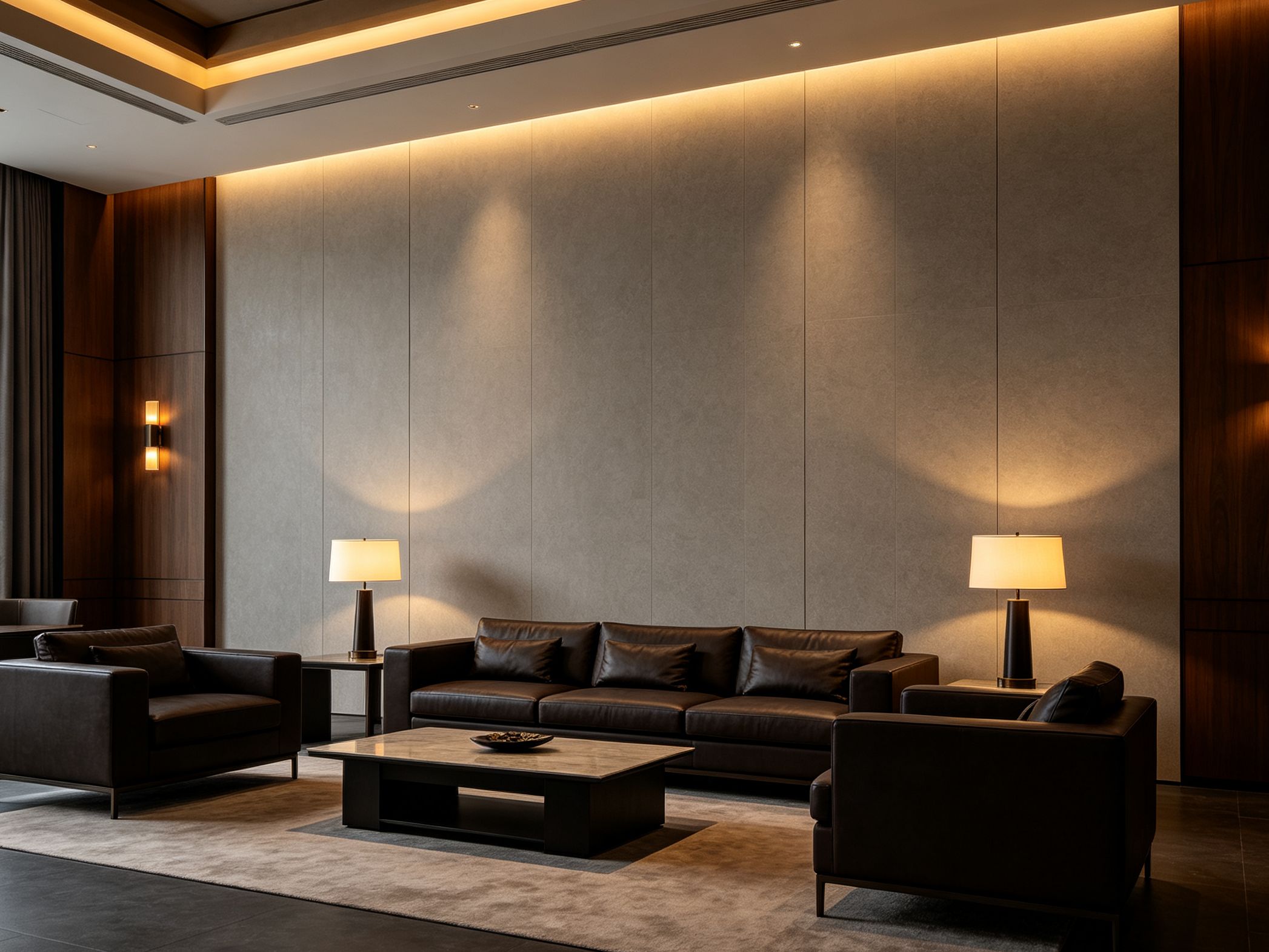
SPC Wall Panels are available in a wide range of decorative finishes, including marble, wood grain, stone textures, and solid colors. These finishes allow designers to create premium interiors without the maintenance requirements of natural materials.
Gypsum board is typically finished with paint, limiting decorative options unless additional treatments are applied. Ceramic tiles provide many design choices but are more difficult to replace during future renovations. PVC wall panels usually offer fewer premium finish options.
Environmental Performance
Sustainable construction has become increasingly important in commercial building projects.
Modern SPC Wall Panels can be manufactured using environmentally responsible production processes and low-emission materials, making them suitable for many commercial interior applications.
Material selection should also consider product lifespan, maintenance frequency, and replacement cycles. A longer-lasting wall system often provides better overall environmental performance throughout the building's lifecycle.
Pricing & Value Analysis
The lowest purchase price does not always provide the best overall value.
Professional buyers should evaluate the Total Cost of Ownership (TCO), including:
- Material cost
- Installation labor
- Maintenance expenses
- Replacement frequency
- Project downtime
For example, painted gypsum board may have a lower initial material cost, but periodic repainting and repairs can increase long-term expenses.
Ceramic tiles provide excellent durability but often require higher installation costs due to additional labor and longer construction schedules.
SPC Wall Panels offer a balanced solution by combining fast installation, low maintenance, and long service life. For many hotel projects in the Philippines, this combination helps reduce the total lifecycle cost while maintaining a premium appearance.
For detailed pricing and cost breakdown, see our Procurement & Cost Guide.
When to Choose Each Material
Different materials perform best in different situations.
Choose SPC Wall Panels when:
- Fast project completion is important.
- Waterproof performance is required.
- Long-term maintenance costs should be minimized.
- Modern decorative finishes are preferred.
- Commercial durability is a priority.
Choose Painted Gypsum Board when:
- The project has a limited budget.
- The installation area remains dry.
- Future repainting is acceptable.
Choose Ceramic Tiles when:
- The application is primarily bathrooms or wet areas.
- Maximum water resistance is required.
- Longer installation time is acceptable.
Choose PVC Wall Panels when:
- Cost is the primary concern.
- The project is a light-duty renovation.
- Decorative requirements are relatively simple.
For most hotel projects in the Philippines, SPC Wall Panels provide the best balance between installation efficiency, durability, appearance, and long-term value.
Final Recommendation
| Project Type | Recommended Material |
|---|---|
| Hotel Guest Rooms | SPC Wall Panels |
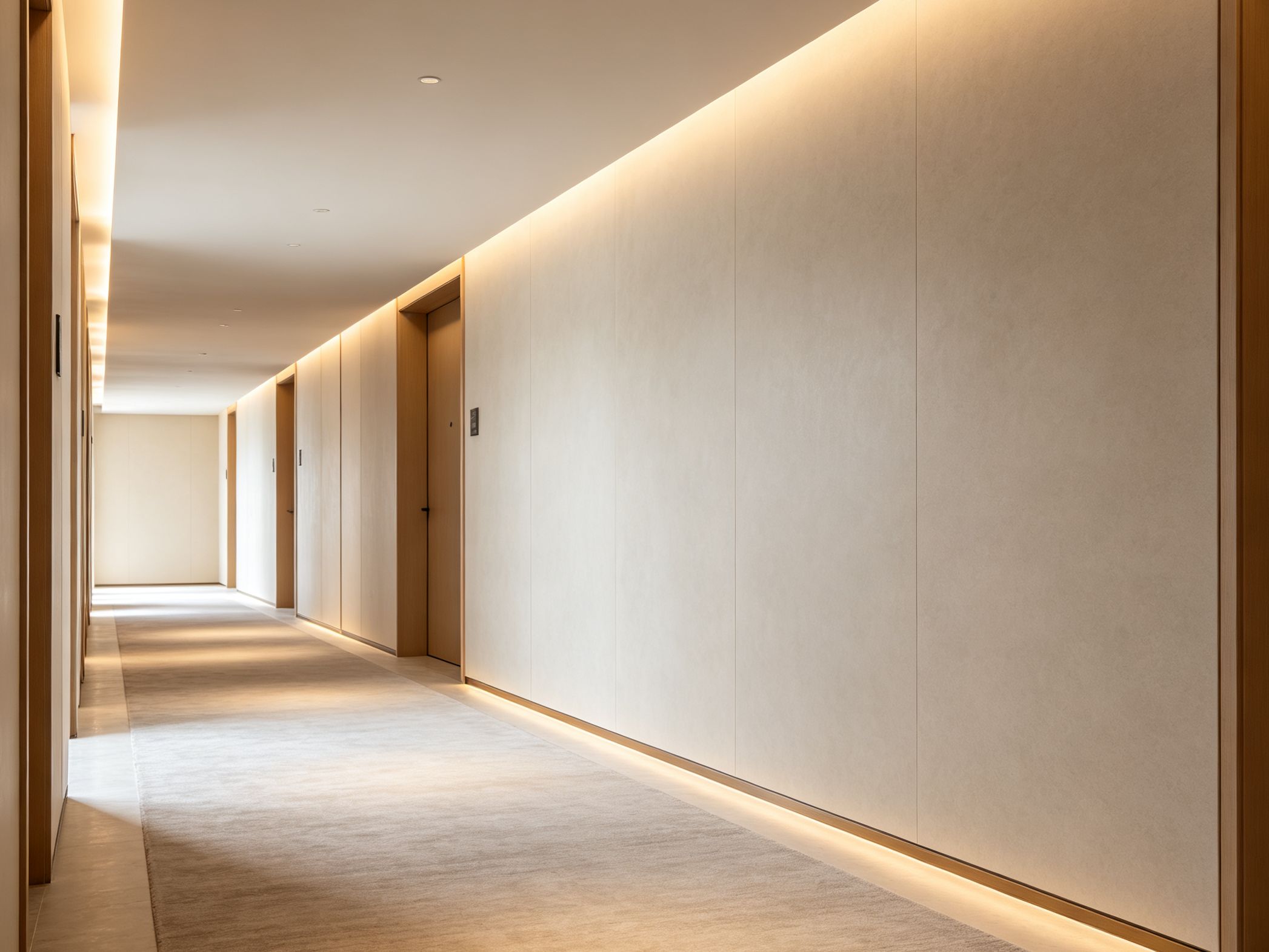
| Hotel Corridors | SPC Wall Panels |
| Hotel Bathrooms | Ceramic Tiles or SPC Wall Panels (project dependent) |
| Office Buildings | SPC Wall Panels or Painted Gypsum Board |
| Shopping Malls | SPC Wall Panels |
| Budget Renovation | PVC Wall Panels |
| Luxury Interior Renovation | SPC Wall Panels |
Frequently Asked Questions
Are SPC Wall Panels better than PVC wall panels?
For most commercial applications, SPC Wall Panels offer better durability, improved impact resistance, and a longer service life, making them a preferred choice for hotels and other high-traffic environments.
Can SPC Wall Panels replace ceramic tiles?
In many interior applications, yes. SPC Wall Panels provide a decorative, waterproof surface with faster installation, although ceramic tiles remain a popular choice for certain wet areas depending on project requirements.
Which wall material is best for hotel projects?
For many hotel projects, SPC Wall Panels provide an excellent balance of appearance, installation efficiency, moisture resistance, and long-term maintenance performance.
Are SPC Wall Panels suitable for the humid climate in the Philippines?
Yes. Their waterproof composite structure makes them well suited for humid environments, helping reduce issues such as swelling, warping, and moisture-related damage.
Need Professional Comparison Advice?
Still comparing wall material options?
Our engineering team can help you evaluate the best solution based on your project requirements.
We provide:
- Free Product Comparison Report
- Customized Material Recommendations
- Technical Drawings
- OEM Manufacturing Support
- Sample Evaluation
- Project Consultation
Official Website: www.mrsalufactory.com
WhatsApp: +86 18125732529
Email: wuyuqin2025@gmail.com
SPC Wall Panels vs Marble Wall Panels: Which Is Better for Hotels?
The Ultimate Guide to HPL Panel: Everything You Need to Know for Vietnam Projects