What Are Aluminum Alloy Decorative Trim Strips?
Detailed Description
Q1: What are aluminum alloy decorative trim strips?
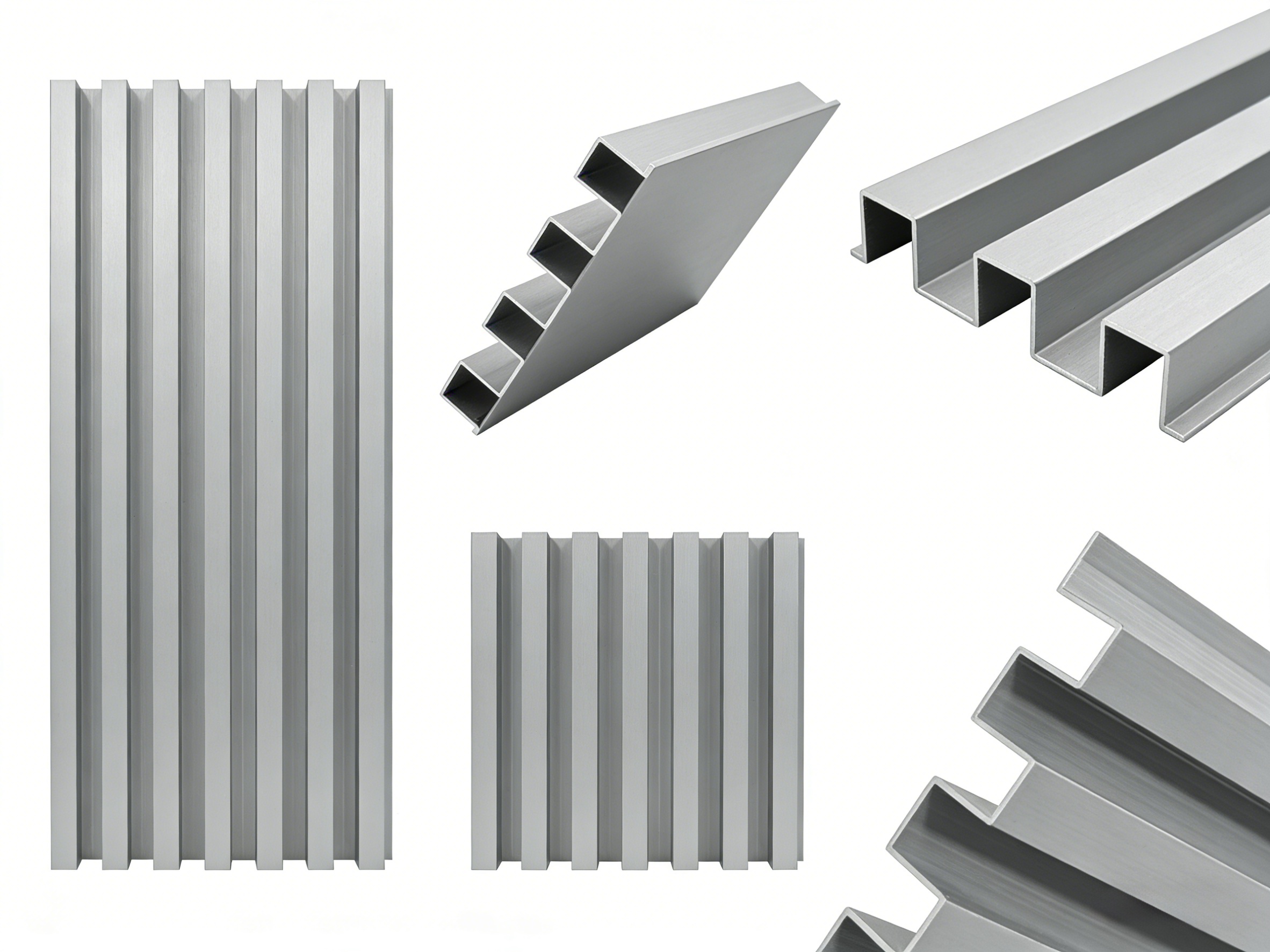
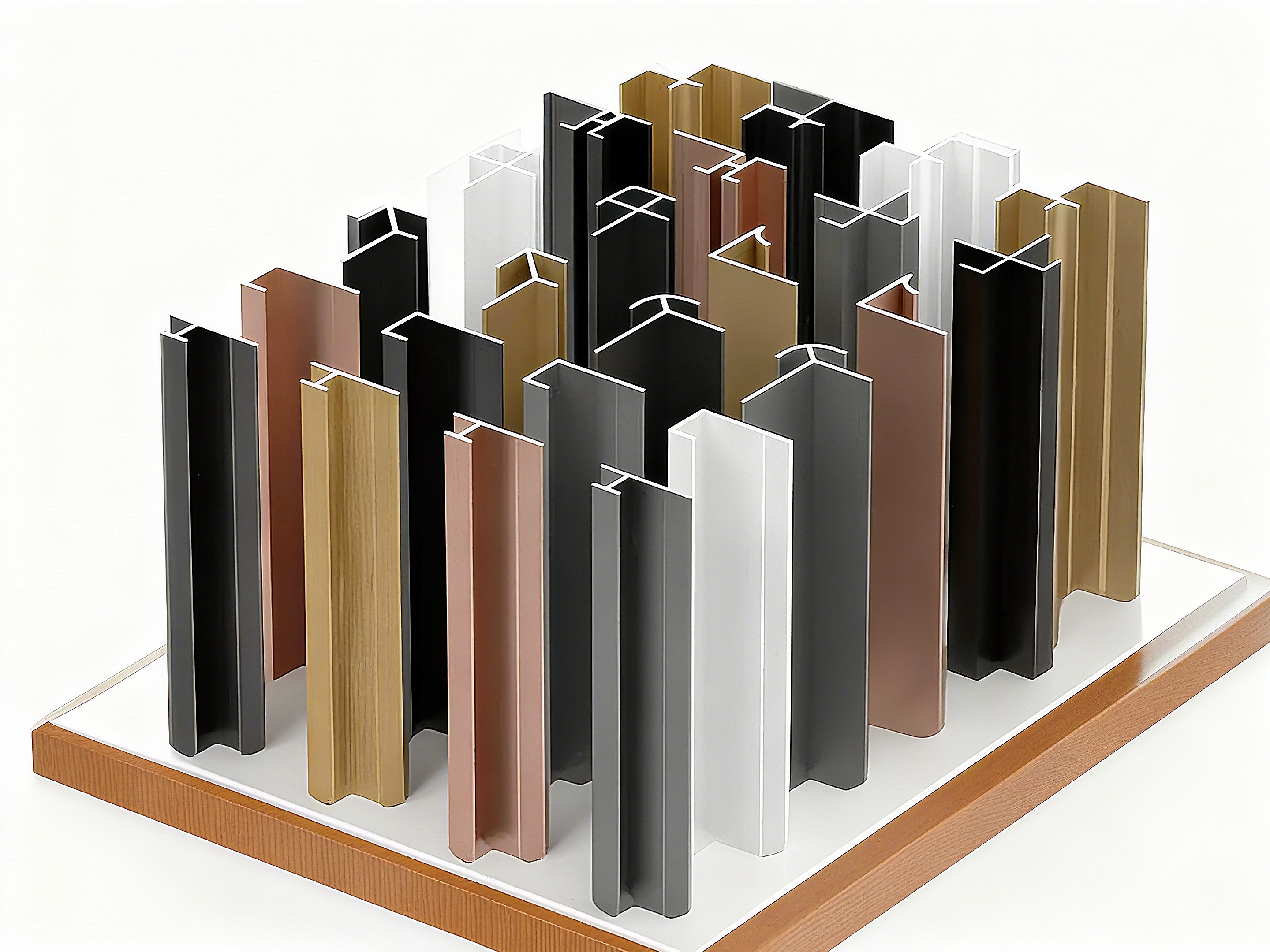
A1: Aluminum alloy decorative trim strips are extruded or machined aluminum profiles used to protect and decorate edges, corners, and transitions. They combine structural stability with visual refinement. Aluminum alloy decorative trim is widely specified in commercial interiors and architectural detailing. Buyers select them for consistency, strength, and long-term performance.
Q2: What materials and alloys are used in aluminum alloy decorative trim?
A2: Aluminum alloy decorative trim is commonly produced from alloys such as 6063 or 6061 for balanced strength and formability. These alloys support precise extrusion and surface finishing. Aluminum alloy decorative trim maintains dimensional stability under temperature variation. Material choice directly affects durability and cost.
Q3: What surface finishes are available for aluminum alloy decorative trim?
A3: Aluminum alloy decorative trim can be finished with anodizing, powder coating, or PVDF coating. Each finish enhances corrosion resistance and aesthetic consistency. Aluminum alloy decorative trim finishes are selected based on interior or exterior exposure. Consistent finishing is critical for large-scale projects.
Q4: Where is aluminum alloy decorative trim commonly used?
A4: Aluminum alloy decorative trim is used in offices, hotels, retail spaces, and residential interiors. Typical applications include wall panels, flooring edges, ceilings, and tile transitions. Aluminum alloy decorative trim ensures clean lines and protected joints. It is also used in high-traffic commercial environments.
Q5: Is aluminum alloy decorative trim suitable for commercial and public buildings?
A5: Yes, Aluminum alloy decorative trim is suitable for commercial buildings due to its fire resistance and mechanical strength. It does not warp or crack like some plastic alternatives. Aluminum alloy decorative trim supports long service life with minimal maintenance. This makes it suitable for airports, malls, and office buildings.
Q6: Can aluminum alloy decorative trim be customized in shape and size?
A6: Aluminum alloy decorative trim can be customized in profile geometry, thickness, and length. Custom dies allow project-specific designs. Aluminum alloy decorative trim customization supports architectural detailing requirements. This flexibility is important for bespoke interior projects.
Q7: How is aluminum alloy decorative trim installed?
A7: Aluminum alloy decorative trim is installed using adhesive bonding, mechanical fixing, or integrated slot systems. Proper alignment ensures both functional protection and visual continuity. Aluminum alloy decorative trim installation methods depend on substrate and application area. Clear installation guidelines reduce labor time.
Q8: How is aluminum alloy decorative trim maintained over time?
A8: Aluminum alloy decorative trim requires minimal maintenance compared to steel or plastic trims. Regular cleaning preserves surface appearance. Aluminum alloy decorative trim resists corrosion and discoloration in indoor environments. This lowers lifecycle maintenance costs for facility managers.
Q9: What certifications and standards apply to aluminum alloy decorative trim?
A9: Aluminum alloy decorative trim can comply with standards such as ISO quality management and fire performance requirements. Material composition and surface treatment must meet regional building codes. Certified aluminum alloy decorative trim is preferred in regulated commercial projects. Buyers should request compliance documentation.
Q10: How do buyers evaluate aluminum alloy decorative trim price, MOQ, and manufacturers?
A10: The price of Aluminum alloy decorative trim depends on alloy type, finish, and customization level. MOQ varies by aluminum alloy decorative trim manufacturer and tooling requirements. Selecting an experienced aluminum alloy decorative trim manufacturer ensures stable supply and consistent quality. Bulk orders often improve cost efficiency.
What are SPC honeycomb wall panels?
What Are LED Linear Lights?