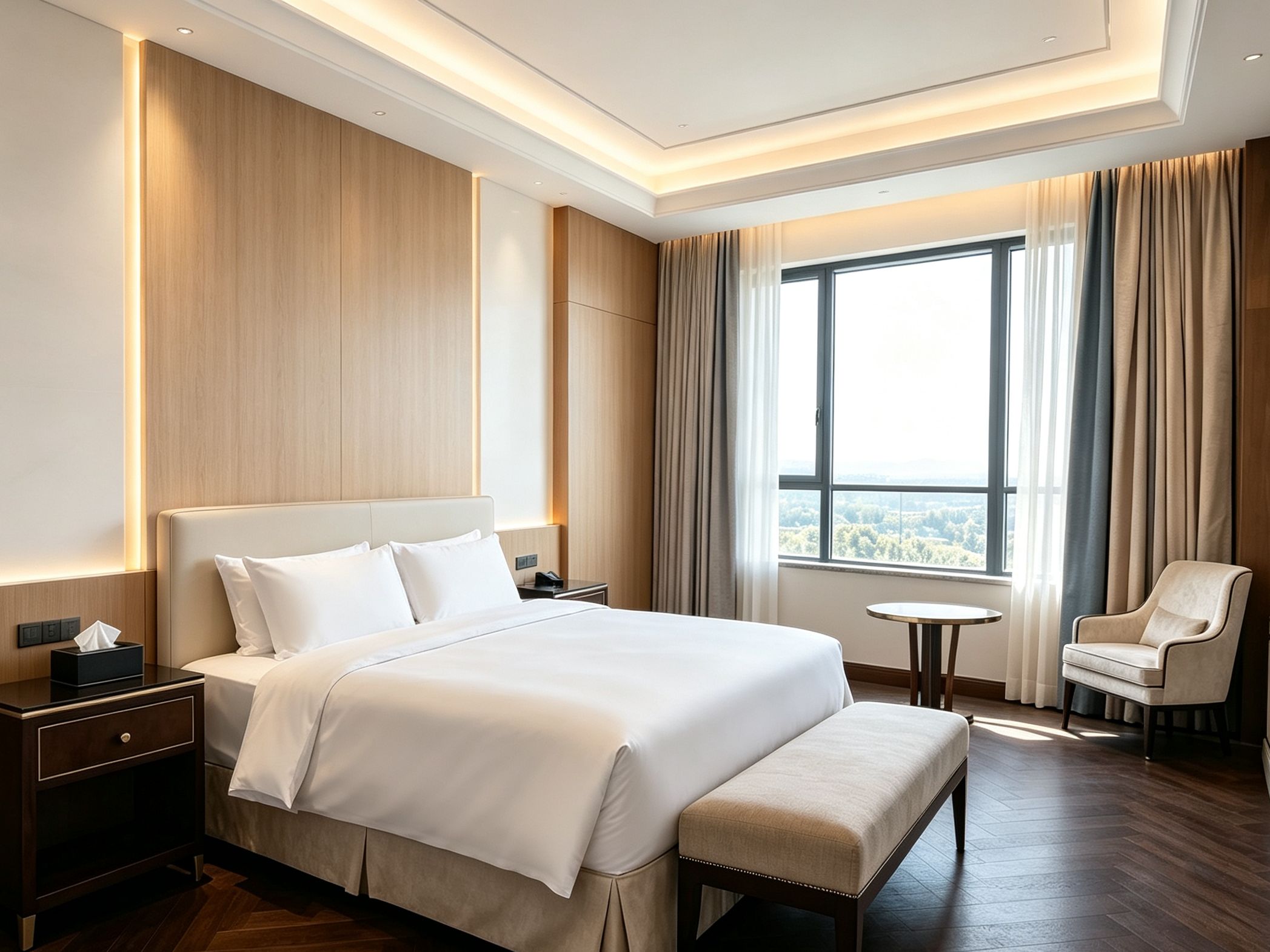
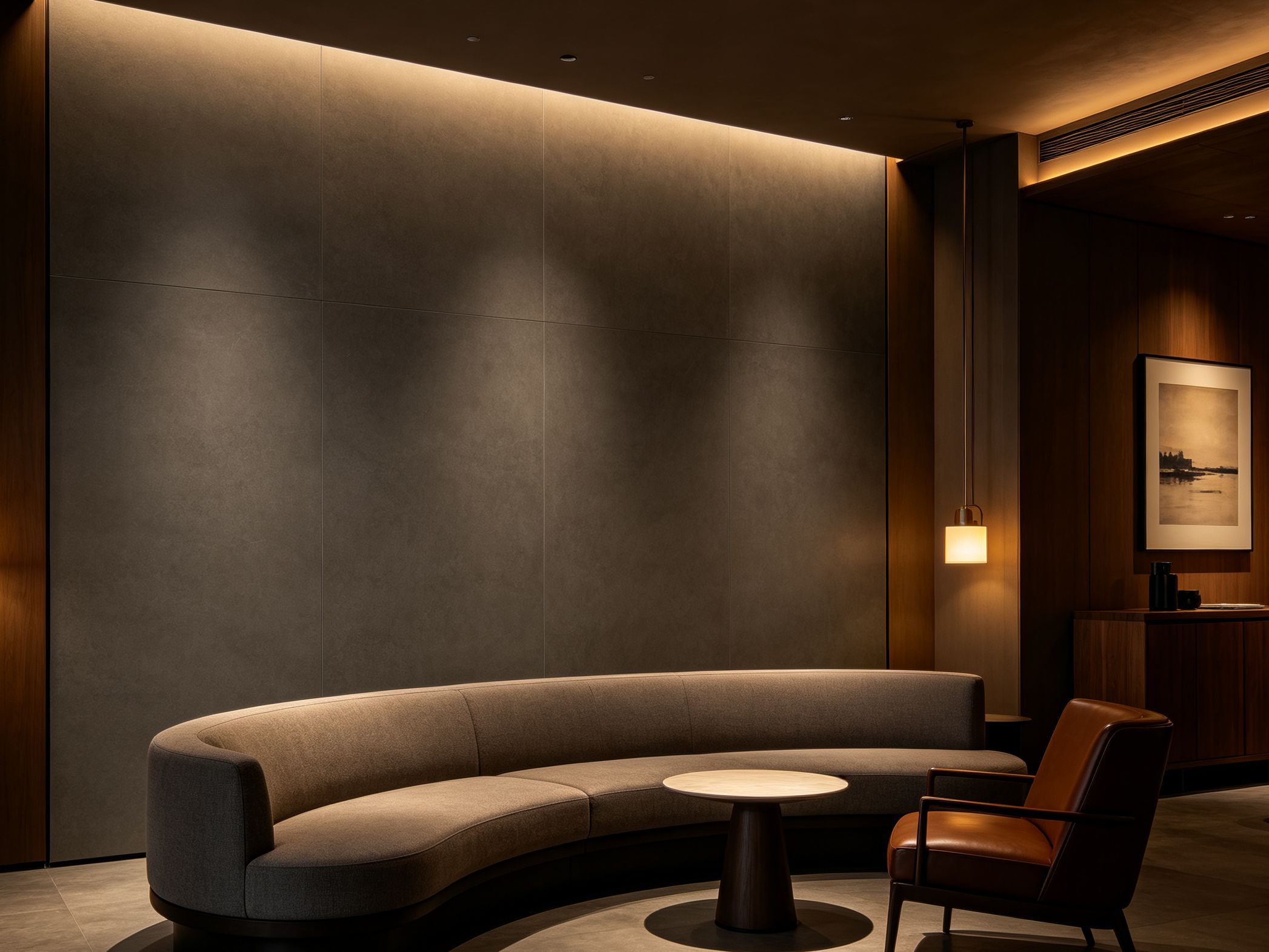
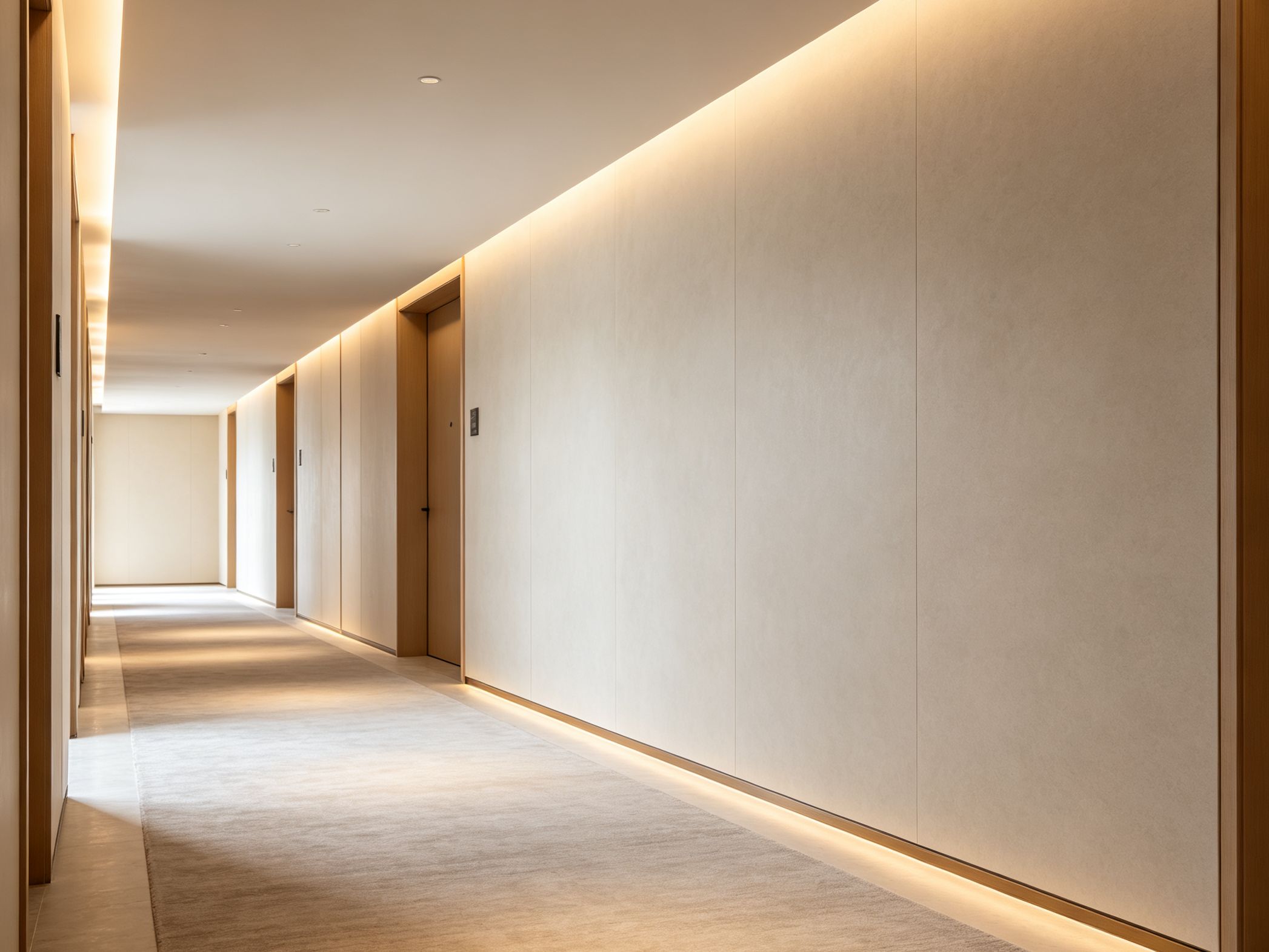
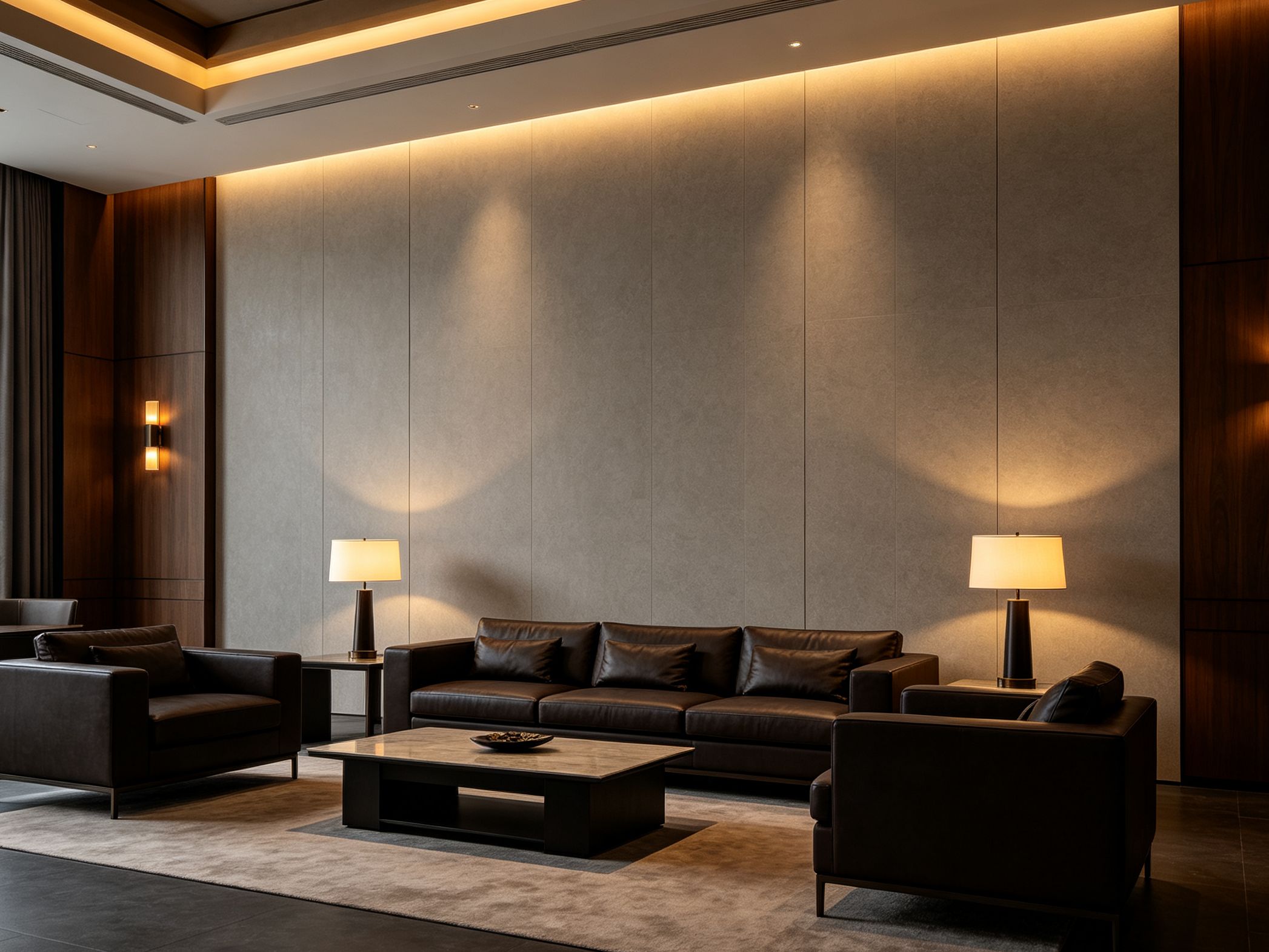
What Is Aluminum Alloy Skirting Board? Complete Product Knowledge Guide aluminum alloy skirting board
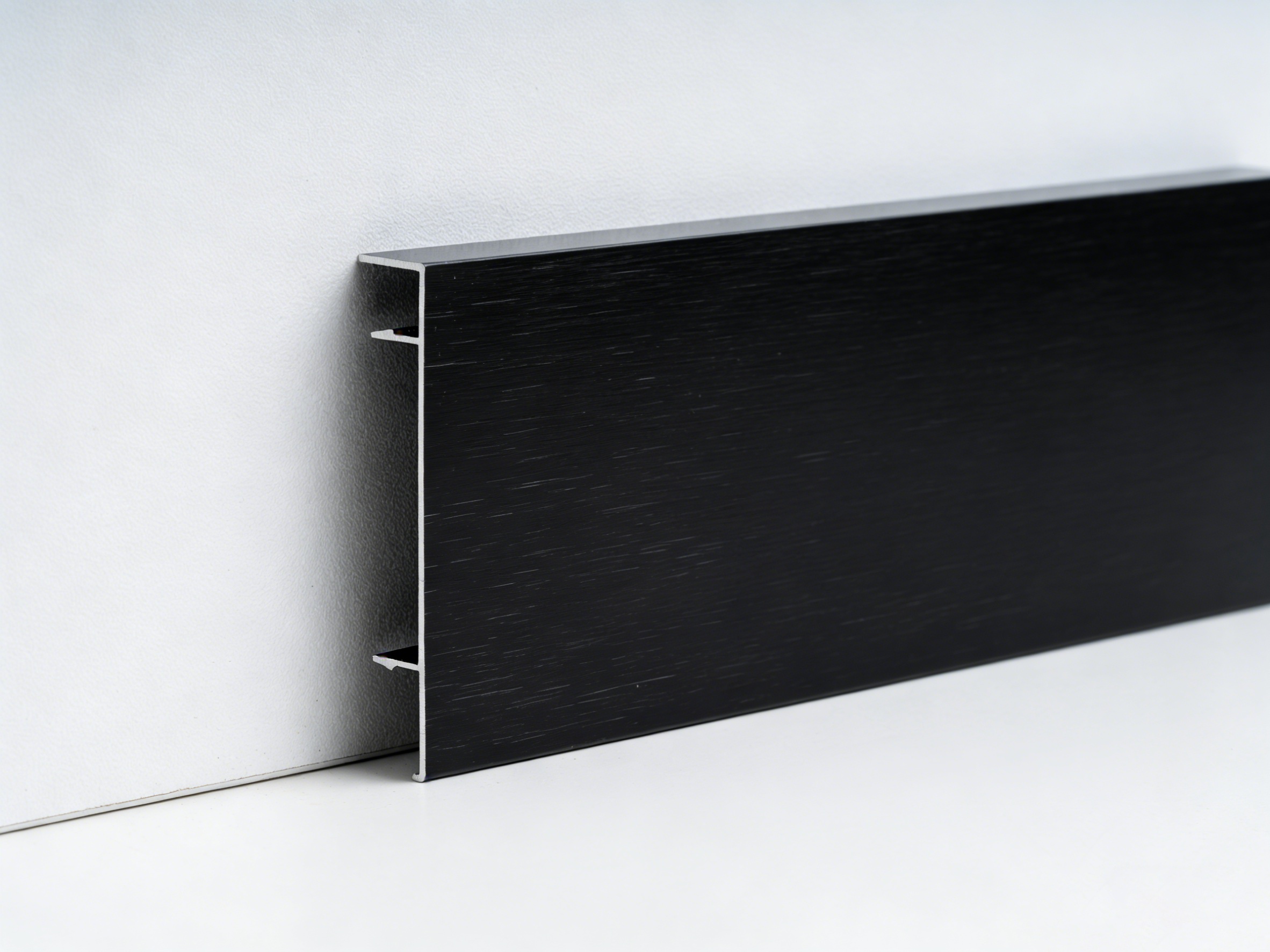
What Is Aluminum Alloy Skirting Board?
An aluminum alloy skirting board is a decorative and protective trim installed at the base of interior walls where the wall meets the floor. It provides a clean transition between the floor and the wall while protecting wall surfaces from damage caused by furniture, cleaning equipment, and daily wear.
Compared with traditional wooden skirting boards, aluminum alloy skirting boards offer better durability, moisture resistance, and modern aesthetics. Many contractors and designers prefer aluminum skirting systems because they provide a sleek architectural appearance and long service life. For buyers looking to buy aluminum skirting board products from a reliable aluminum skirting board supplier, aluminum alloy versions offer a practical and long-term solution.
These skirting boards are widely used in modern interior construction projects in markets such as Indonesia, particularly in residential buildings, commercial buildings, hotels, and office interiors.
Material Composition & Structure
Aluminum alloy skirting boards are manufactured from high-quality aluminum alloy profiles that are processed through extrusion technology. The aluminum material provides excellent structural stability while remaining lightweight.
A typical aluminum skirting board system includes several components:
-
Extruded aluminum base profile
-
Decorative surface coating
-
Corner connectors
-
End caps
-
Installation clips or mounting channels
The surface may be treated with anodizing, powder coating, or brushed aluminum finishing, providing corrosion resistance and long-lasting color stability.
Because of these engineering features, aluminum skirting boards are known for being waterproof, corrosion resistant, and durable trim systems. These functional advantages make them a popular choice for modern interior finishing solutions offered by professional aluminum skirting board suppliers.
Key Features & Advantages
Aluminum alloy skirting boards provide a range of performance benefits that make them superior to many traditional wall trim materials.
Durability
Aluminum alloy offers excellent mechanical strength and impact resistance, ensuring the skirting board maintains its shape and appearance over time.
Waterproof Performance
Unlike wood or MDF skirting boards, aluminum skirting boards are completely resistant to moisture and humidity.
Corrosion Resistance
The anodized or powder-coated surface protects the aluminum from corrosion, making it suitable for humid climates like Indonesia.
Modern Aesthetic Design
Aluminum skirting boards provide a clean and minimalist architectural look, commonly used in modern interior design.
Eco-Friendly Material
Aluminum is recyclable and environmentally friendly, making it a sustainable construction material.
These advantages make aluminum alloy skirting boards an excellent choice for designers and contractors who want to buy aluminum skirting board products that combine durability with modern style.
Manufacturing Process
The manufacturing process of aluminum alloy skirting boards includes several industrial production stages.
First, aluminum billets are heated and processed through extrusion machines to form precise skirting board profiles. This extrusion process ensures uniform thickness and structural strength.
Next, the aluminum profiles undergo surface treatment processes, such as anodizing, powder coating, or brushing, which enhance corrosion resistance and decorative appearance.
After finishing, the profiles are cut to standard lengths, inspected for quality control, and packaged for distribution.
Many professional aluminum skirting board suppliers produce these products specifically for export markets including Indonesia, ensuring compliance with international construction standards.
Specifications & Sizes
Aluminum alloy skirting boards are available in multiple standard sizes to meet different interior design requirements.
Typical specifications include:
-
Height: 40 mm – 120 mm
-
Thickness: 0.5 mm – 1.5 mm
-
Standard Length: 2.5 m or 3 m
-
Surface Finishes: brushed aluminum, matte black, silver, champagne gold
-
Installation Type: clip system or adhesive installation
These specifications allow aluminum skirting boards to be used in various commercial building interior designs and architectural styles.
Applications
Aluminum alloy skirting boards are widely used in both residential and commercial interior projects.
Common applications include:
-
Residential apartments
-
Office buildings
-
Hotels
-
Shopping malls
-
Hospitals
-
Educational buildings
-
Commercial building interior projects in Indonesia
Because of their waterproof and durable design, they are particularly suitable for modern architectural environments.
Comparison With Other Materials
When compared with traditional skirting materials, aluminum alloy skirting boards offer clear advantages.
Wood Skirting Board
Wood provides a traditional aesthetic but is vulnerable to moisture, deformation, and termites.
PVC Skirting Board
PVC is lightweight and affordable but lacks the structural strength and premium appearance of aluminum.
Aluminum Alloy Skirting Board
Aluminum provides superior durability, corrosion resistance, and modern design. For buyers seeking high-quality trim solutions from an aluminum skirting board supplier, aluminum alloy options are often the preferred choice.
Installation, Maintenance & Lifespan
Aluminum skirting boards are designed for simple and efficient installation. They can be installed using mounting clips, screws, or construction adhesive depending on the installation system.
Maintenance requirements are minimal. Regular cleaning with a soft cloth is sufficient to maintain appearance.
Thanks to their waterproof and corrosion resistant properties, aluminum alloy skirting boards can last 15–25 years or more in normal interior conditions.
Pros & Cons
Advantages
-
Strong and durable
-
Waterproof and corrosion resistant
-
Modern minimalist appearance
-
Easy maintenance
-
Long lifespan
Limitations
-
Slightly higher initial cost than PVC
-
Requires accurate installation for best visual effect
Despite these limitations, aluminum alloy skirting boards remain a popular choice for buyers looking to buy aluminum skirting board products for modern interiors.
Buying Guide
When selecting an aluminum alloy skirting board, buyers should consider several important factors.
First, choose the correct height and thickness based on the room design. Larger commercial spaces often require higher skirting boards.
Second, verify the surface finish quality, as this affects durability and appearance.
Third, select a reliable aluminum skirting board supplier that can provide consistent quality and international export experience.
For buyers in Indonesia, it is also important to confirm packaging, shipping options, and product certifications.
Finally, ensure the skirting board design matches the intended commercial building interior application for the best visual results.
Other products:


What Is LED Skirting Boards? Complete Product Knowledge Guide LED skirting boards
SPC Stone Crystal Wall Panels for Commercial Interior Wall Decoration