Complete Aluminum Honeycomb Panel Procurement & Cost Guide for Australia 2026
Understanding Total Cost of Ownership (TCO)
For overseas B2B buyers, evaluating an export proposal based solely on the Ex-Works (EXW) or Free on Board (FOB) price is a critical mistake. To achieve true cost predictability and protect your project margins, you must analyze the Total Cost of Ownership (TCO). The unit price from the factory typically accounts for only a portion of your final landing and assembly costs. Neglecting hidden fees like localized port duties or complex installation logistics can easily stall a commercial construction timeline.
To give global buyers a clear perspective, here is a typical TCO breakdown for importing high-grade aluminum honeycomb panels into major Australian markets (e.g., Sydney, Melbourne, Brisbane):
Pricing Models & What Influences Cost
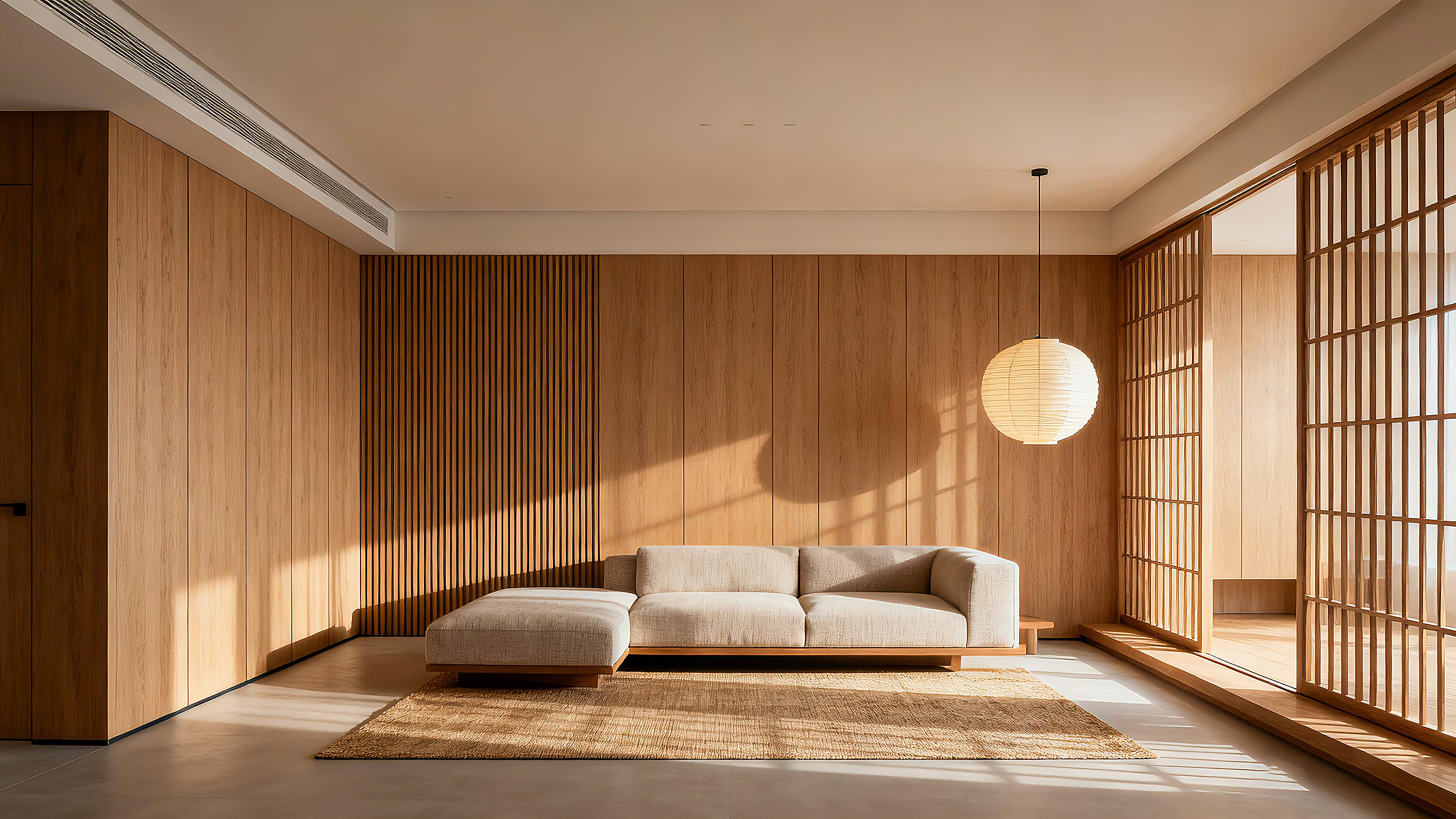
The market price of an aluminum honeycomb panel is dynamic and scales according to technical configurations. Understanding these variables allows procurement managers to negotiate effectively without compromising on-site safety:
-
Raw Material Grades: The cost fluctuates based on the current market price of aluminum ingots and the alloy type selected. High-strength alloys like AA3003 or AA5005 command a premium due to enhanced tensile strength and corrosion resistance.
-
Specification Layers: Price is calculated based on three dimensions: front skin thickness (ranging from 0.7mm to 1.0mm+), rear skin thickness, and total panel core thickness (commonly 10mm, 15mm, or 25mm). Thicker structural skins naturally demand a higher bulk supply price.
-
Coating Technologies: Standard PE (Polyester) coatings are cost-effective for interiors, whereas exterior facade projects require premium architectural PVDF (Fluorocarbon) or FEVE coatings to endure UV exposure and marine environments.
-
OEM/ODM Customization: Architectural designs requiring CNC cutting, pre-fabricated corner curves, localized reinforcement channels, or custom color matching add custom tooling costs compared to standard flat modular sizes.
Standard Price References for Project Sourcing:
-
Standard Interior Grade: $25 – $38 per square meter.
-
Commercial Exterior Grade (PVDF): $38 – $60 per square meter.
-
Heavy-Duty Structural/Custom Grade: $60 – $95+ per square meter.
Bulk Purchase & Volume Discount Strategies
When sourcing from a top manufacturer, leveraging volume tiering is the most efficient method to drive down unit costs. Aluminum manufacturing relies heavily on manufacturing setup times; therefore, raw material extrusion and coil coating lines operate with optimal cost-efficiency during continuous runs.
-
Tiered Pricing Logic: Ordering a prototype volume of 100 sqm incurs setup premiums. Stepping up to a standard container volume of 500 sqm triggers significant factory discounts, while large commercial orders exceeding 1,000+ sqm unlock absolute factory-direct wholesale pricing.
-
Consolidated Procurement: If you are a developer managing multiple concurrent projects across the region, consolidating your bill of materials (BOM) into a single unified purchase order slashes setup costs and guarantees color uniformity across different batches.
-
Long-term Framework Agreements: Establishing a rolling annual contract allows high-volume distributors to secure fixed pricing matrixes, priority production scheduling during peak seasons, and flexible credit terms.
Import/Export & Shipping Cost Considerations
Navigating international logistics smoothly dictates whether your project remains profitable. B2B buyers must select the correct Incoterms to balance financial risk against operational control:
-
FOB vs. CIF vs. DDP: Under FOB, you maintain complete authority over shipping lines and local port routing. Choosing CIF transfers ocean transit liabilities to the manufacturer, while a DDP (Door-to-Door) solution is highly recommended for contractors who prefer an integrated delivery directly to the construction site without handling complex customs documentation.
-
Sea Freight vs. Air Freight: Due to the structural dimensions of bulk panels, ocean freight via 20ft or 40ft containers is the industry standard. Air freight is reserved exclusively for rapid prototyping samples or urgent structural site adjustments.
-
Australian Customs Compliance: Ensure your supplier provides fully certified paperwork to pass customs smoothly, avoiding costly port storage demurrage fees. This includes verifying non-combustibility documentation and managing standard import processing declarations.
-
Export Packaging Standards: To avoid structural distortion or scratching during high-seas transit, ensure panels are packed using protective PE surface films, reinforced corner guards, and heavy-duty, fumigated ISPM-15 compliant wooden crates.
How to Get the Best Quote
Securing a precise, actionable quote requires providing clear structural parameters right from the initial inquiry. This eliminates unnecessary back-and-forth communication delays.
The Definitive Supplier Evaluation Checklist:
Before finalizing a wire transfer to any factory, verify they fulfill the following operational benchmarks:
-
[ ] Does the manufacturer possess full ISO 9001:2015 production quality certificates?
-
[ ] Can they supply verified third-party fire compliance reports?
-
[ ] What is the guaranteed thickness tolerance of the aluminum skin layers?
-
[ ] Are the structural adhesives tested for delamination under extreme thermal cycles?
-
Your Required Inquiry Checklist:
To receive a definitive quote within a tight turnaround window, ensure your email includes:
-
Total Volume: Total surface area specified in square meters (sqm).
-
Layer Thicknesses: Exact front/core/back dimensions (e.g., 1.0mm / 15mm / 0.7mm).
-
Finishing Preference: Specific PVDF color codes or custom textured finishes.
-
Target Destination: Your specific local port or final commercial delivery address.
Sampling Strategy Note: Always request a physical factory sample and production prototype before greenlighting a high-volume manufacturing run. Testing a sample under localized architectural loads eliminates massive structural and financial risks down the line.
[Get a Custom Quote within 24 Hours]
Procurement Timeline & Process
To properly align factory production with your local construction schedule, follow this step-by-step structural timeline:
-
Inquiry & Technical Review (1–3 Days): Engineering teams review your architectural blueprints to ensure cell densities and skin alloys match regional load requirements.
-
Sample Prototyping & Approval (5–7 Days): The factory manufactures custom sample cutouts to verify structural adhesion and color accuracy.
-
Contract Signing & Deposit (2–4 Days): Finalizing the proforma invoice and executing a standard wire transfer deposit to initiate production planning.
-
Production Monitoring & Quality Control (15–20 Days): Continuous core bonding, pressing, panel curing, and surface-layer lamination.
-
Factory Inspection & Packaging (2–3 Days): Rigorous flatness testing and packaging into heavy-duty protective wooden crates.
-
Logistics & Customs Clearance (15–25 Days): Ocean port loading, deep-sea transit to destination ports, customs declaration filing, and local clearance processing.
-
On-Site Delivery & Final Inspection (1–2 Days): Secure offloading at the job site followed by final quality signature handovers.
During step 1 of your sourcing cycle, it is imperative to verify supplier certifications in our [Compliance Guide] to avoid local regulatory import hold-ups. Furthermore, to avoid on-site delays, you should actively plan for installation in our [Installation Guide] while your structural containers are still in transit.
(CTA Section)
Ready to optimize your supply chain? Contact our export department for Wholesale Price Lists, TCO Calculator, and Customized Project Solutions.
-
Official Website: www.mrsalufactory.com
-
WhatsApp: +86 18923111901
-
Email: mrsaluwinnie@gmail.com
HPL Panel Supplier Guide: How to Source for The Middle East Construction Projects
SPC Stone Crystal Wall Panels Supplier Guide: How to Source for Vietnam Construction Projects