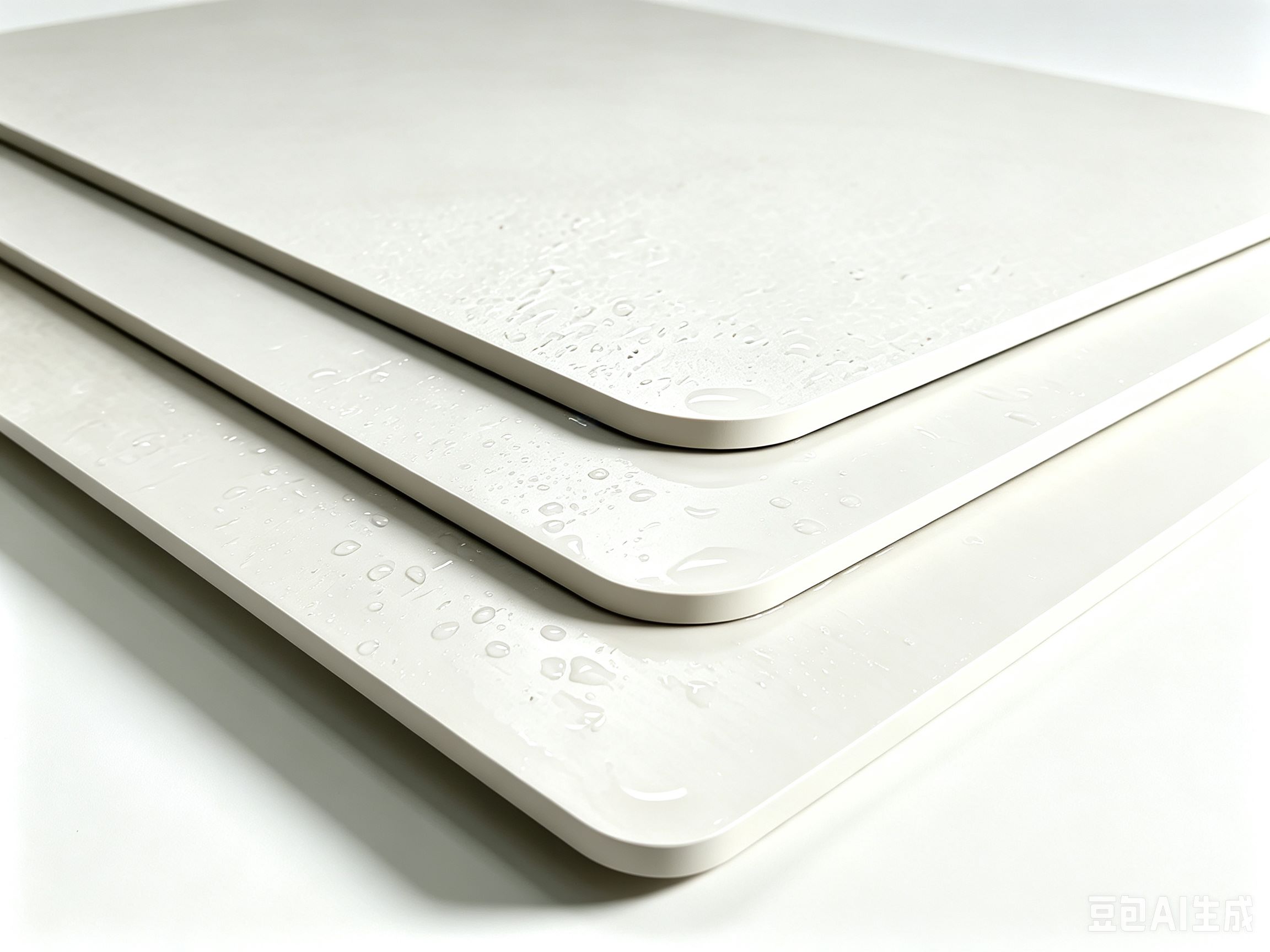
Carbon Crystal Board Supplier Guide: How to Source for South Africa Construction Projects

1. Global & Local Demand Analysis for Carbon Crystal Board
South Africa’s construction industry is undergoing a structural shift driven by infrastructure expansion, commercial redevelopment, and rising demand for faster, more cost-efficient building materials. Traditional wall systems such as gypsum boards and cement-based finishes are increasingly being replaced by Carbon Crystal Board, a modern composite panel solution designed for durability, fast installation, and low maintenance.
One of the key reasons behind this shift is the growing pressure on contractors to reduce labor dependency and shorten project timelines. Large-scale developments in commercial real estate, hospitality, healthcare, and residential housing are prioritizing materials that enable modular installation and predictable performance.
At the same time, procurement models in South Africa are evolving toward decentralized sourcing and direct-from-factory purchasing, especially from Asian manufacturers. This approach helps reduce intermediaries, stabilize pricing, and improve supply chain reliability in a market often affected by import delays and material shortages.
For developers and contractors, Carbon Crystal Board is no longer just a decorative material—it has become a strategic procurement choice that directly impacts project efficiency and total construction cost.

2. 5 Key Factors for Evaluating a Reliable Supplier
When sourcing Carbon Crystal Board for South Africa projects, supplier evaluation must go beyond price comparison. A professional procurement strategy requires deep assessment of manufacturing capability and technical reliability.
1. Production Capacity
A qualified supplier must be able to support large-volume orders without compromising lead time stability. For infrastructure or multi-phase projects, scalable production is critical.
2. Compliance & Certifications
Ensure the product meets relevant international construction standards, including fire resistance, environmental compliance, and durability testing. This is essential for commercial approval in regulated projects.
3. Technical Support
A strong supplier provides more than materials—they deliver engineering support, including installation guidance, CAD drawings, and on-site technical consultation when required.
4. Quality Consistency
One of the biggest procurement risks is variation between samples and mass production. Reliable manufacturers implement strict QA systems, batch testing, and production monitoring to ensure consistency.
5. Export Experience
Suppliers with proven international shipping experience reduce logistical risks, customs delays, and documentation errors—especially important for long-distance supply chains like China to South Africa.
Supplier Evaluation Checklist
Use this structured checklist during procurement decision-making:
- Can the supplier handle bulk orders consistently?
- Do they provide third-party certifications and test reports?
- Is OEM/ODM customization available for project requirements?
- Are installation instructions or technical drawings provided?
- Is production lead time stable and clearly communicated?
- Do they have export experience to Africa or similar markets?
- Is quality control applied at each production stage?
- Do they offer after-sales or project-based technical support?
This checklist helps contractors reduce procurement uncertainty and improve supplier selection accuracy.
3. Direct Factory Supply vs. Local Sourcing
In South Africa, many buyers still rely on local distributors for construction materials. However, this model often introduces additional costs, limited customization options, and inconsistent inventory availability.
By contrast, direct factory supply offers a more competitive and scalable procurement strategy.
Advantages of Direct Factory Supply
- Lower unit cost due to elimination of middlemen
- OEM/ODM customization for project-specific requirements
- Stable bulk supply capacity for large-scale projects
- Better control over production scheduling and delivery timelines
Factory-direct procurement also enables buyers to negotiate long-term agreements, which is particularly valuable for developers managing phased construction projects.
In addition, bulk sourcing from manufacturers helps mitigate local market shortages and price fluctuations, ensuring project continuity even during supply chain disruptions.
4. Optimized Procurement Solutions for Different Buyer Types
Different stakeholders in the construction ecosystem require different procurement strategies for Carbon Crystal Board.
For Contractors
Contractors prioritize installation efficiency and on-site coordination. Carbon Crystal Board offers fast installation, reducing labor dependency and accelerating project completion cycles. Technical support and installation guidance are essential in this segment.
For Distributors
Distributors focus on margin optimization and supply exclusivity. Factory partnerships with stable pricing structures and regional distribution agreements provide long-term profitability and market competitiveness.
For Developers
Developers are concerned with lifecycle value and asset quality. Carbon Crystal Board delivers long-term durability and aesthetic consistency, making it suitable for commercial buildings, residential complexes, and hospitality projects.
5. How Our Factory Supports Your Procurement Process
A successful procurement strategy depends on transparency, communication, and production reliability.
Our factory supports international buyers through a fully integrated supply chain system:
- Inquiry & consultation: fast response and technical clarification
- Sampling stage: verified quality samples for project evaluation
- Production monitoring: real-time updates and quality control reporting
- Packaging & inspection: export-grade packaging for long-distance shipping
- Logistics coordination: global shipping experience with door-to-door solutions
We also provide project-based customization, allowing buyers to adjust surface design, thickness specifications, and installation requirements according to project needs.
This structured process ensures that every order meets both technical and commercial expectations without delays or quality deviations.

6. Cooperation Models: From Bulk Orders to Long-term Partnerships
Modern procurement is no longer limited to one-time transactions. For large-scale buyers in South Africa, long-term cooperation models provide stronger stability and cost advantages.
We support multiple collaboration structures:
- OEM Manufacturing: branding and private label production for distributors
- Bulk Supply Agreements: stable pricing and guaranteed production capacity
- Exclusive Distribution Partnerships: regional market protection and priority supply
- Project-Based Cooperation: customized solutions for developers and contractors
These models are designed to support sustainable business growth while ensuring consistent supply performance across different project cycles.
Shipping & Logistics Advantage
International procurement success depends heavily on logistics reliability. We provide:
- Consolidated container shipping for cost optimization
- Strong experience in Africa-bound logistics routes
- Proper export documentation handling
- Flexible delivery schedules for phased construction projects
- Door-to-door logistics solutions upon request
This ensures that Carbon Crystal Board arrives safely, on time, and ready for immediate project deployment.
CTA Section
Optimizing your supply chain starts with the right partner. Contact our export department for Wholesale Price Lists, Factory Profiles, and Customized Project Solutions.
- Official Website: www.mrsalufactory.com
- WhatsApp: +86 18923111901
- Email: mrsaluwinnie@gmail.com
SPC Stone Crystal Wall Panels Supplier Guide: How to Source for Vietnam Construction Projects
LED Aluminum Profile Supplier Guide: How to Source for South Africa Construction Projects