2026 Vietnam Construction Outlook: Carbon Crystal Board Trends, Challenges & Market Growth
Current State of the Carbon Crystal Board Market
Vietnam's construction sector continues to benefit from urbanization, foreign direct investment (FDI), industrial expansion, and growing demand for modern building technologies. As developers seek to reduce project timelines while meeting sustainability goals, traditional wet construction materials are increasingly being replaced by modern dry-installation systems.
Globally, the green building materials market is expected to maintain strong growth through 2030, driven by stricter environmental regulations, energy-efficiency requirements, and demand for faster construction methods. Meanwhile, modular construction, prefabricated buildings, and green building standards are reshaping how residential and commercial projects are designed and delivered.
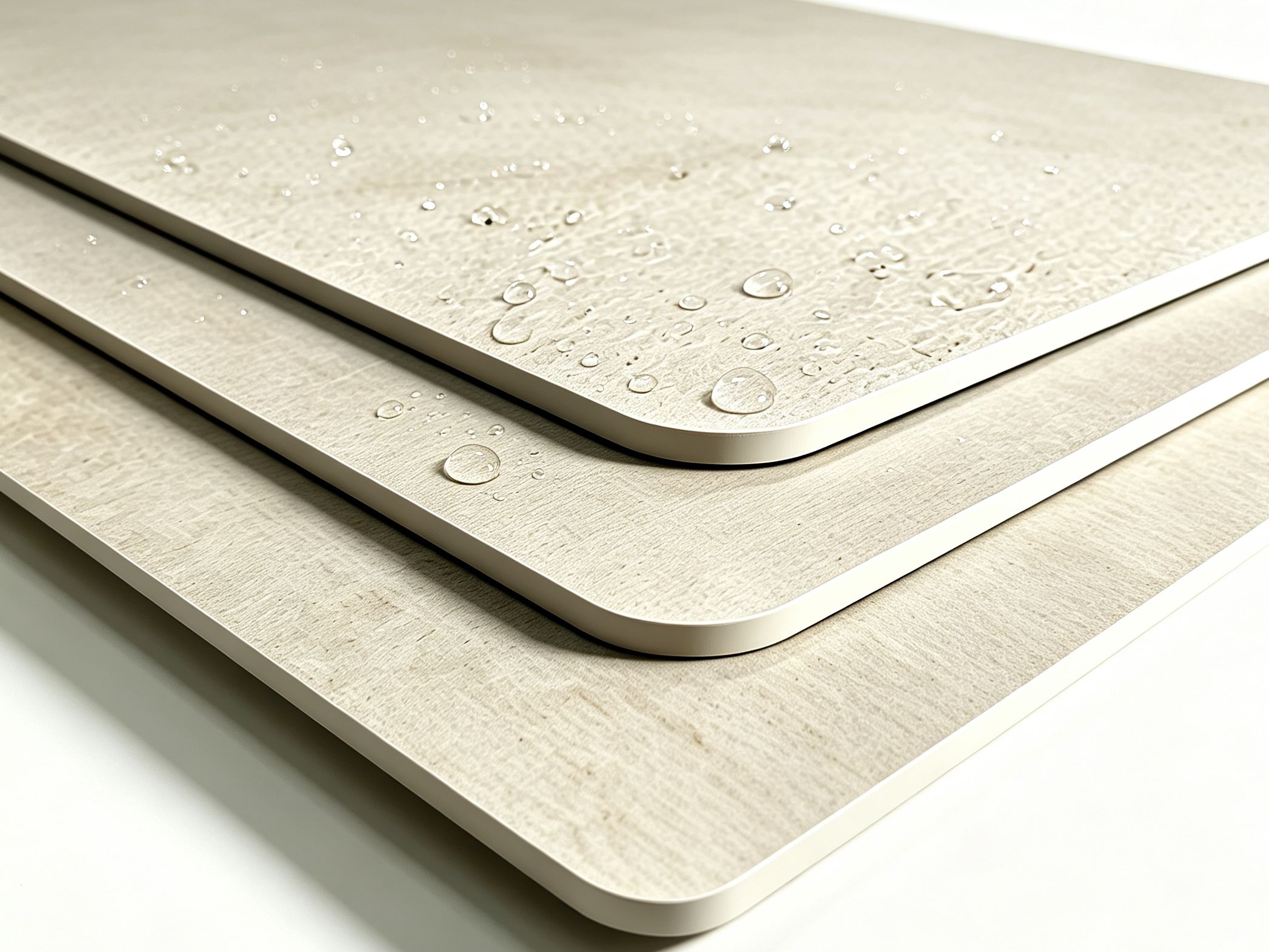
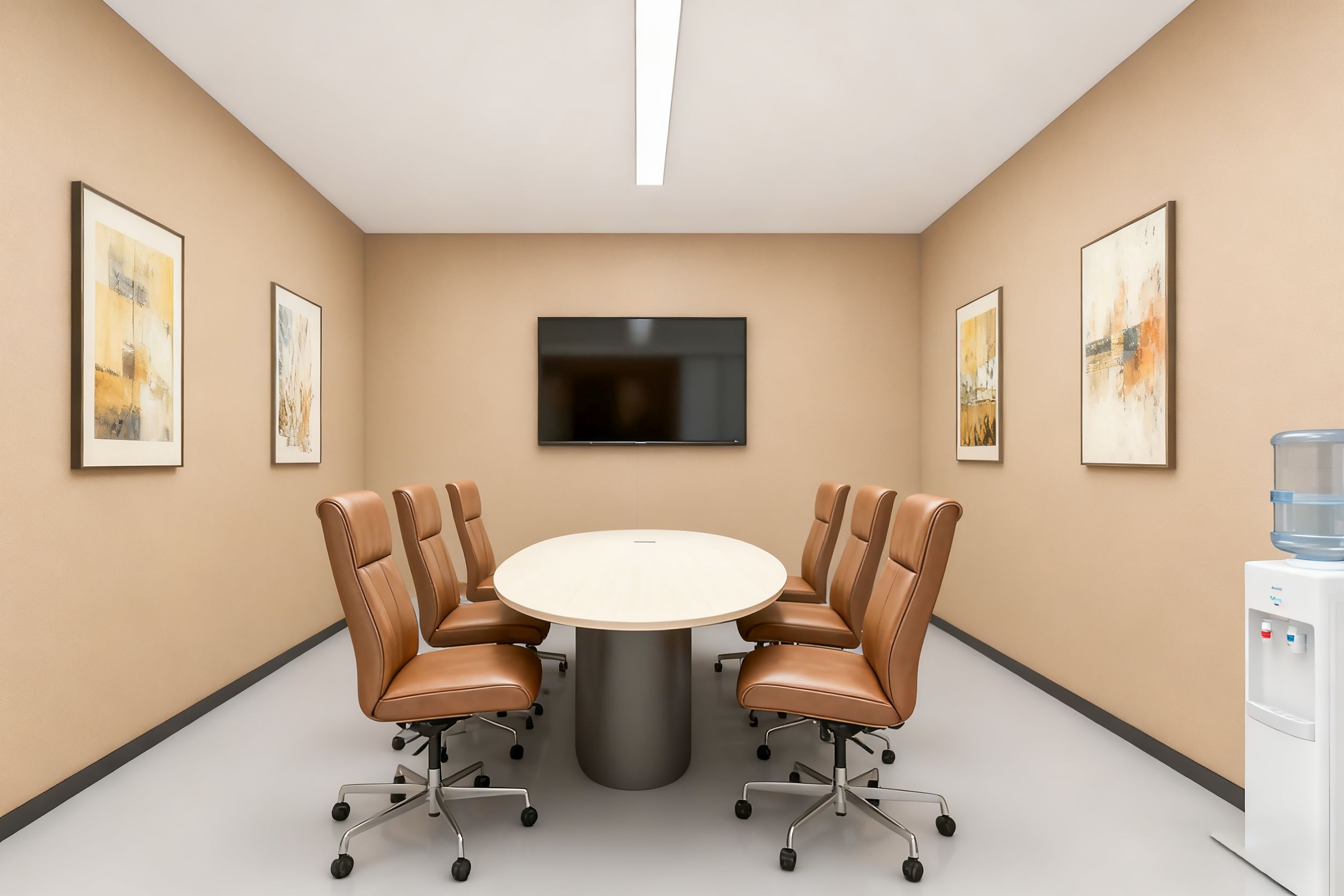
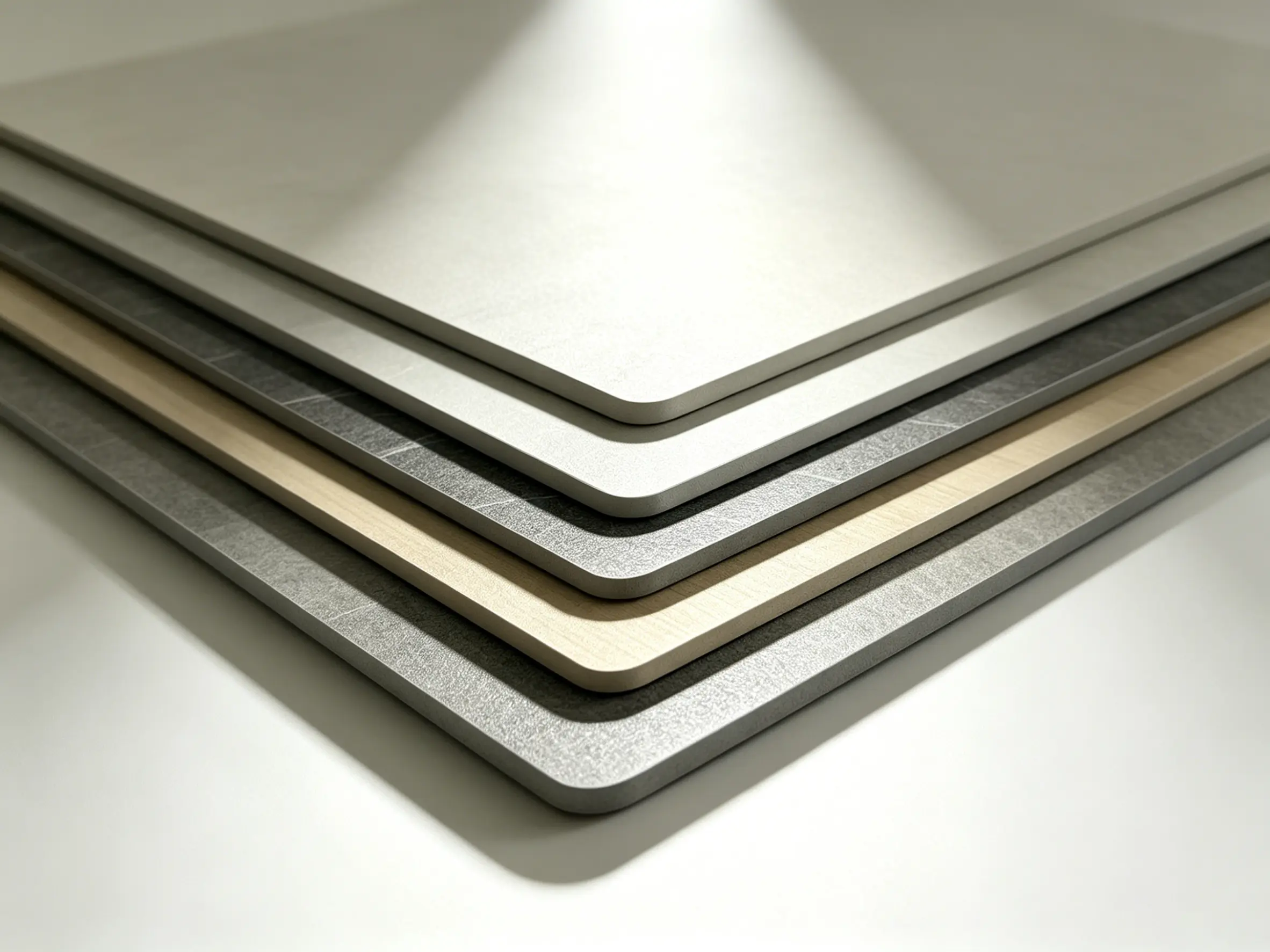
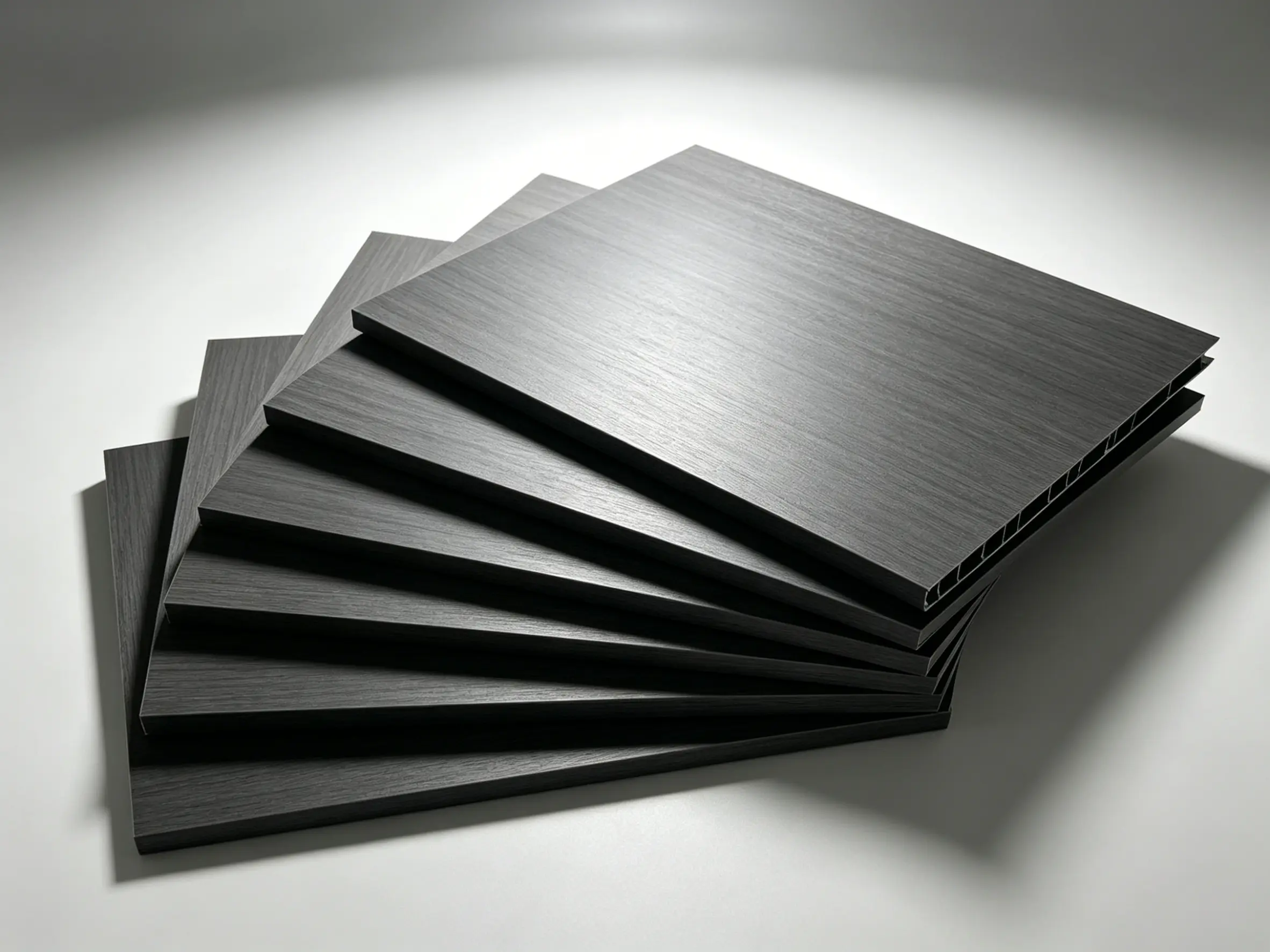
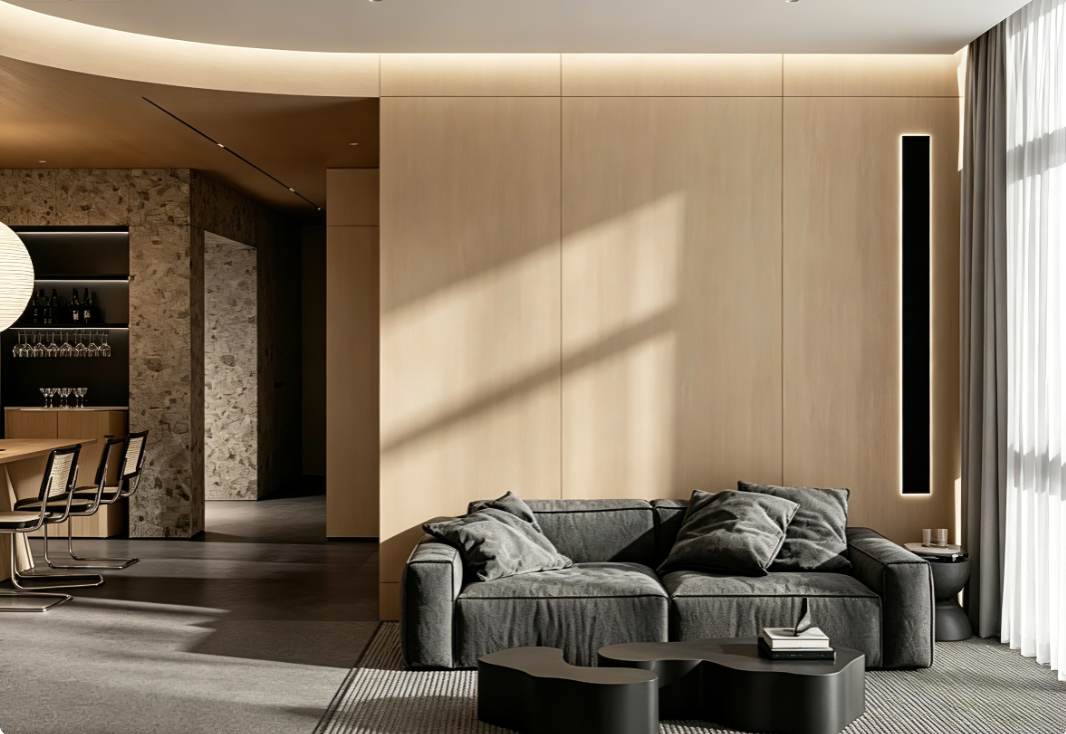
Carbon Crystal Board has emerged as one of the materials gaining attention in this transition. Its lightweight structure, decorative surface options, and compatibility with dry construction systems make it suitable for modern interior applications including:
-
Residential apartment developments
-
Commercial office fit-outs
-
Hotels and hospitality projects
-
Retail renovations
-
Healthcare and educational facilities
-
Prefabricated and modular construction projects
Traditional Materials vs Modern Interior Systems
| Evaluation Factor | Traditional Wall Finishing | Carbon Crystal Board System |
|---|---|---|
| Installation Method | Wet construction | Dry installation |
| Construction Time | Longer project cycles | Faster project completion |
| Labor Requirement | High | Reduced labor dependency |
| Site Cleanliness | More construction waste | Cleaner installation process |
| Renovation Convenience | Difficult | Easier replacement and upgrades |
| Sustainability Alignment | Moderate | Better suited for modern green building practices |
As Vietnam continues expanding its urban infrastructure and real estate sectors, materials that improve efficiency and reduce labor dependency are expected to gain broader adoption.

Top 5 Pain Points Facing Carbon Crystal Board Professionals
Vietnam's construction industry faces five major challenges: rising labor costs, installation delays, regulatory compliance requirements, inconsistent material quality, and long-term maintenance burdens. These issues directly affect project profitability, construction schedules, and client satisfaction, driving demand for more efficient building solutions such as Carbon Crystal Board systems.
1. Rising Labor Costs
Vietnam's construction labor market is becoming increasingly competitive as skilled workers migrate toward higher-paying industrial and infrastructure projects.
For contractors and developers, labor shortages often translate into higher installation costs and longer project schedules. Carbon Crystal Board systems help address this challenge by supporting faster installation processes and reducing dependence on labor-intensive finishing methods.
2. Project Delays and Installation Inefficiency
Construction delays remain a common issue across residential and commercial developments.
Traditional wall finishing often requires multiple construction stages, drying periods, and extensive on-site coordination. Dry-installation materials such as Carbon Crystal Board can help streamline project workflows and shorten interior finishing timelines.
3. Increasing Compliance and Sustainability Requirements
Developers are facing growing pressure to meet environmental standards, green building certifications, and sustainability targets.
Building materials with lower environmental impact and compatibility with sustainable construction practices are becoming increasingly important. Carbon Crystal Board aligns with many modern building strategies focused on resource efficiency and reduced construction waste.
4. Quality Inconsistency Across Supply Chains
Material quality variations can create costly rework, project disputes, and long-term performance concerns.
Many buyers are now prioritizing direct-from-factory sourcing models to improve quality consistency, traceability, and procurement reliability. Factory-controlled Carbon Crystal Board production helps reduce uncertainty associated with fragmented supply chains.
5. Long-Term Maintenance Burden
Property owners increasingly evaluate materials based on lifecycle costs rather than initial purchase price alone.
Frequent repairs, refinishing requirements, and renovation disruptions can significantly increase operational expenses over time. Modern decorative panel systems are gaining popularity because they can simplify maintenance planning and reduce future refurbishment requirements.
Key Trends Shaping the Future of Carbon Crystal Board
Sustainability and Circular Economy Initiatives
Vietnam is witnessing growing adoption of sustainable construction practices across both public and private sectors.
Key sustainability trends include:
-
Circular economy principles
-
Reduced carbon footprint objectives
-
Resource-efficient manufacturing
-
Recyclable and reusable building materials
-
Waste reduction during construction
As environmental awareness grows among developers and investors, materials supporting green building standards are expected to gain stronger market acceptance.
Smart Materials and Digital Construction
The construction industry is increasingly integrating technology into project planning and execution.
Emerging innovations include:
-
Smart building materials
-
AI-driven design optimization
-
Digital fabrication systems
-
Building Information Modeling (BIM)
-
Automated production technologies
Carbon Crystal Board manufacturers are increasingly incorporating advanced manufacturing technologies to improve product consistency and production efficiency.
Direct-from-Factory Procurement Models
Traditional multi-layer distribution systems are gradually being replaced by more direct sourcing approaches.
Advantages include:
-
Improved pricing transparency
-
Better quality control
-
Faster procurement cycles
-
Reduced intermediary costs
-
Stronger project support services
For distributors and developers, factory-direct sourcing is becoming an important strategy for maintaining competitiveness.
Growth of Modular and Prefabricated Construction
Vietnam's rapid urbanization is accelerating interest in modular construction methods.
Because Carbon Crystal Board is compatible with prefabricated wall systems and dry construction processes, it fits well within the industry's broader shift toward industrialized building methods.
Vietnam-Specific Market Trends
Several local factors are accelerating adoption:
-
Expansion of urban residential developments
-
Growth in hospitality and tourism infrastructure
-
Increasing FDI-driven industrial construction
-
Rising demand for office renovations
-
Growing awareness of lifecycle building costs
These factors collectively create favorable conditions for modern interior finishing materials.
How These Trends Impact Your Operations
For Contractors
Contractors are under constant pressure to reduce construction timelines while maintaining quality.
Materials that support rapid installation can improve labor productivity, reduce project delays, and enhance overall profitability.
For Distributors
Distributors must balance inventory availability with margin protection.
Growing demand for factory-direct procurement encourages distributors to focus on reliable supply partnerships, stable product quality, and differentiated product portfolios.
For Developers
Developers increasingly compete on project quality, sustainability credentials, and customer experience.
Using modern interior materials can contribute to better project presentation, improved buyer perception, and stronger long-term asset value.
For Architects
Architects are seeking materials that offer both design flexibility and practical performance.
Carbon Crystal Board systems provide a wide range of decorative finishes while supporting contemporary construction methodologies and sustainability objectives.
What to Look for in a Carbon Crystal Board Solution
Before selecting a supplier or product, buyers should evaluate several critical factors:
Product Specifications
-
Panel thickness options
-
Surface finish selections
-
Installation compatibility
-
Dimensional stability
-
Application suitability
Certifications and Compliance
-
Environmental certifications
-
Quality management standards
-
Fire performance documentation
-
Material testing reports
Cost-Performance Balance
The lowest purchase price does not always deliver the best long-term value.
Buyers should compare:
-
Installation costs
-
Maintenance expenses
-
Expected service life
-
Supply reliability
-
Technical support capabilities
Learn More Before You Decide
For detailed specifications, see our Product Technology Deep Dive.
Compare options in our Selection Guide.
See how others solved these challenges in our Case Studies.
You can also explore our complete Product Series portfolio to identify the most suitable Carbon Crystal Board solution for your project requirements.
Facing These Industry Challenges?
Get a Free Technical Catalog and Project Quote within 24 hours from our factory team.
Official Website: www.mrsalufactory.com
WhatsApp: +86 18923111901
Email: mrsaluwinnie@gmail.com
2026 Vietnam Construction Outlook: Carbon Crystal Board Trends, Challenges & Market Development
Carbon Crystal Board Trends & Pain Points 2026 | Vietnam