2026 Vietnam Construction Outlook: Carbon Crystal Board Trends, Challenges & Market Development
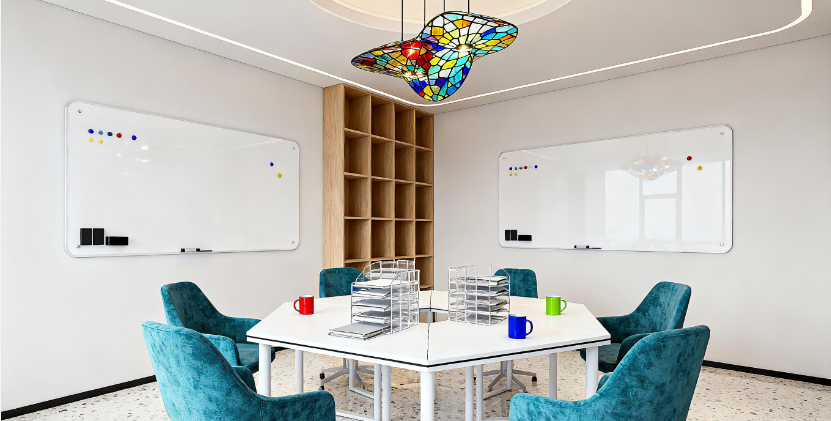
Current State of the Carbon Crystal Board Market
Industry Transition from Traditional to Modern Construction Materials
Across Southeast Asia, the construction industry is gradually shifting away from labor-intensive finishing methods toward industrialized building systems. Traditional materials such as cement plaster, ceramic tiles, plywood, and gypsum board remain widely used; however, developers are increasingly evaluating alternatives that can improve installation efficiency and lifecycle performance.
Vietnam is experiencing this transition particularly rapidly due to urban expansion, manufacturing investment, and infrastructure development. These factors are encouraging adoption of materials compatible with modern construction approaches including:
-
Modular construction
-
Prefabricated buildings
-
Dry construction systems
-
Green building standards
-
Sustainable interior finishing solutions
Carbon Crystal Board is increasingly discussed within this context because it combines decorative functionality with engineered installation systems suitable for modern project requirements.
Market Growth Drivers
Several macroeconomic trends are supporting demand for advanced interior materials:
-
Continued urbanization
-
Expansion of commercial real estate
-
Growth of hospitality developments
-
Industrial park construction
-
Rising demand for renovation projects
At the same time, building owners are placing greater emphasis on durability, maintenance efficiency, and operational costs throughout a building's service life.
Traditional vs Modern Interior Finishing Systems
| Evaluation Criteria | Traditional Finishes | Modern Panel Systems |
|---|---|---|
| Installation Process | Multi-stage | Simplified |
| Labor Dependency | High | Moderate |
| Construction Waste | Higher | Lower |
| Renovation Flexibility | Limited | Improved |
| Project Scheduling | Longer | Faster |
| Lifecycle Management | More frequent repairs | Reduced maintenance intervention |

Top 5 Pain Points Facing Carbon Crystal Board Professionals
The Vietnam construction market currently faces several structural challenges that influence purchasing decisions, project management, and material selection. Understanding these pain points helps explain why alternative interior systems are receiving increased attention.
1. Rising Labor Costs
Construction labor expenses continue to increase as skilled workers become more difficult to secure. Labor-intensive wall finishing methods often require multiple trades and extended project schedules.
As a result, contractors are increasingly evaluating materials that reduce installation complexity and improve workforce productivity.
2. Project Timeline Pressure
Developers are under growing pressure to accelerate project delivery while maintaining construction quality.
Delays in finishing work frequently impact handover schedules, tenant occupancy dates, and overall project profitability. Materials supporting faster installation workflows can help mitigate these risks.
3. Sustainability Compliance Requirements
Environmental performance has become a more important consideration in both public and private developments.
Many projects now seek alignment with green building frameworks, resource efficiency targets, and waste reduction objectives. Material selection increasingly reflects these broader sustainability goals.
4. Quality Consistency Across Supply Chains
Material performance can vary significantly depending on manufacturing processes and sourcing channels.
Inconsistent product quality often leads to installation difficulties, rework costs, and long-term maintenance concerns. This challenge is encouraging closer evaluation of manufacturing standards and supply-chain transparency.
5. Long-Term Maintenance Burden
Building owners are increasingly focused on total lifecycle costs rather than only initial procurement expenses.
Interior materials requiring frequent repair, repainting, or replacement may generate higher operational costs over time. Consequently, durability and maintenance efficiency have become important evaluation criteria.
Key Trends Shaping the Future of Carbon Crystal Board
Sustainability and Circular Construction
One of the strongest industry trends is the transition toward sustainable construction practices.
Key developments include:
-
Circular economy initiatives
-
Reduced carbon footprint strategies
-
Resource-efficient manufacturing
-
Waste minimization during construction
-
Increased use of recyclable materials
Materials capable of supporting these objectives are expected to receive greater attention from project stakeholders.
Growth of Industrialized Construction
Industrialized construction methods are becoming increasingly common throughout Vietnam.
This trend includes:
-
Off-site manufacturing
-
Prefabricated building components
-
Modular construction systems
-
Digital project coordination
Materials compatible with these processes offer advantages in project predictability and installation efficiency.
Digital Design and Material Innovation
Technological developments continue influencing material selection decisions.
Emerging trends include:
-
AI-driven architectural design
-
Building Information Modeling (BIM)
-
Digital fabrication technologies
-
Performance-oriented material engineering
-
Data-supported construction planning
These technologies are contributing to greater emphasis on standardized and engineered building systems.
Direct-from-Factory Procurement Models
Procurement strategies are evolving as contractors and distributors seek greater supply-chain reliability.
Increasing attention is being given to:
-
Manufacturing transparency
-
Product traceability
-
Stable production capacity
-
Technical documentation availability
-
Consistent product specifications
This trend is reshaping how building materials are sourced and evaluated.
Vietnam-Specific Market Characteristics
Several local factors distinguish Vietnam from neighboring markets:
-
High urban housing demand
-
Rapid tourism infrastructure growth
-
Expanding industrial manufacturing base
-
Increasing renovation activity in major cities
-
Government support for sustainable development initiatives
These conditions create a favorable environment for modern interior construction systems.
How These Trends Impact Your Operations
For Contractors
Greater emphasis on installation efficiency means labor productivity is becoming a key competitive factor. Materials that simplify installation procedures may help reduce project complexity and improve scheduling flexibility.
For Distributors
Inventory planning increasingly requires balancing product availability with demand volatility. Consistent product specifications and stable supply chains are becoming important purchasing considerations.
For Developers
Project value is increasingly measured through lifecycle performance rather than initial construction cost alone. Material decisions can influence maintenance requirements, operational efficiency, and long-term asset quality.
For Architects
Design professionals are balancing aesthetics, sustainability objectives, and technical performance. Materials capable of supporting multiple design and performance requirements are receiving greater consideration during specification stages.
What to Look for in a Carbon Crystal Board Solution
When evaluating Carbon Crystal Board products, decision-makers should consider several factors beyond purchase price.
Technical Specifications
Review:
-
Board dimensions
-
Thickness options
-
Structural properties
-
Surface finishing systems
-
Installation compatibility
For detailed specifications, see our Product Technology Deep Dive.
Certifications and Testing
Verify:
-
Fire performance reports
-
Environmental compliance documentation
-
Manufacturing quality systems
-
Product testing certifications
Cost-Performance Assessment
A comprehensive evaluation should consider:
-
Material costs
-
Installation costs
-
Maintenance requirements
-
Expected service life
-
Supply-chain reliability
Compare available options in our Selection Guide.
Real-World Project Performance
Practical project experience often provides valuable insights into installation efficiency, durability, and lifecycle performance.
See how other projects addressed similar challenges in our Case Studies.
Industry Outlook for 2026
Vietnam's construction market is expected to continue adopting more industrialized, sustainable, and efficiency-oriented building systems throughout 2026 and beyond.
The increasing focus on labor productivity, environmental performance, and lifecycle value is likely to influence material selection decisions across residential, commercial, hospitality, and industrial projects. Within this context, Carbon Crystal Board represents one of several material categories being evaluated as part of the industry's broader modernization process.
FAQ
Why is Carbon Crystal Board gaining attention in Vietnam?
Growing demand for faster construction methods, improved maintenance efficiency, and sustainable building practices has increased interest in modern interior panel systems.
What construction sectors use Carbon Crystal Board?
Common applications include residential developments, hotels, office buildings, retail spaces, educational facilities, and renovation projects.
How does Carbon Crystal Board relate to green building trends?
Its compatibility with dry construction systems and resource-efficient building practices aligns with broader sustainability initiatives within the construction industry.
What factors should buyers evaluate before selecting a supplier?
Technical specifications, certification documents, manufacturing consistency, supply-chain stability, and project support capabilities should all be reviewed.
Fixed Cooperation Information
Facing these industry challenges? Get a Free Technical Catalog and Project Quote within 24 hours from our factory team.
Official Website: www.mrsalufactory.com
WhatsApp: +86 18923111901
Email: mrsaluwinnie@gmail.com
2026 Construction Outlook: Aluminum Honeycomb Wall Panels Trends and Market Growth in Southeast Asia
2026 Vietnam Construction Outlook: Carbon Crystal Board Trends, Challenges & Market Growth