Buying Guide: How to Choose the Best LED Aluminum Profile for South Africa Projects
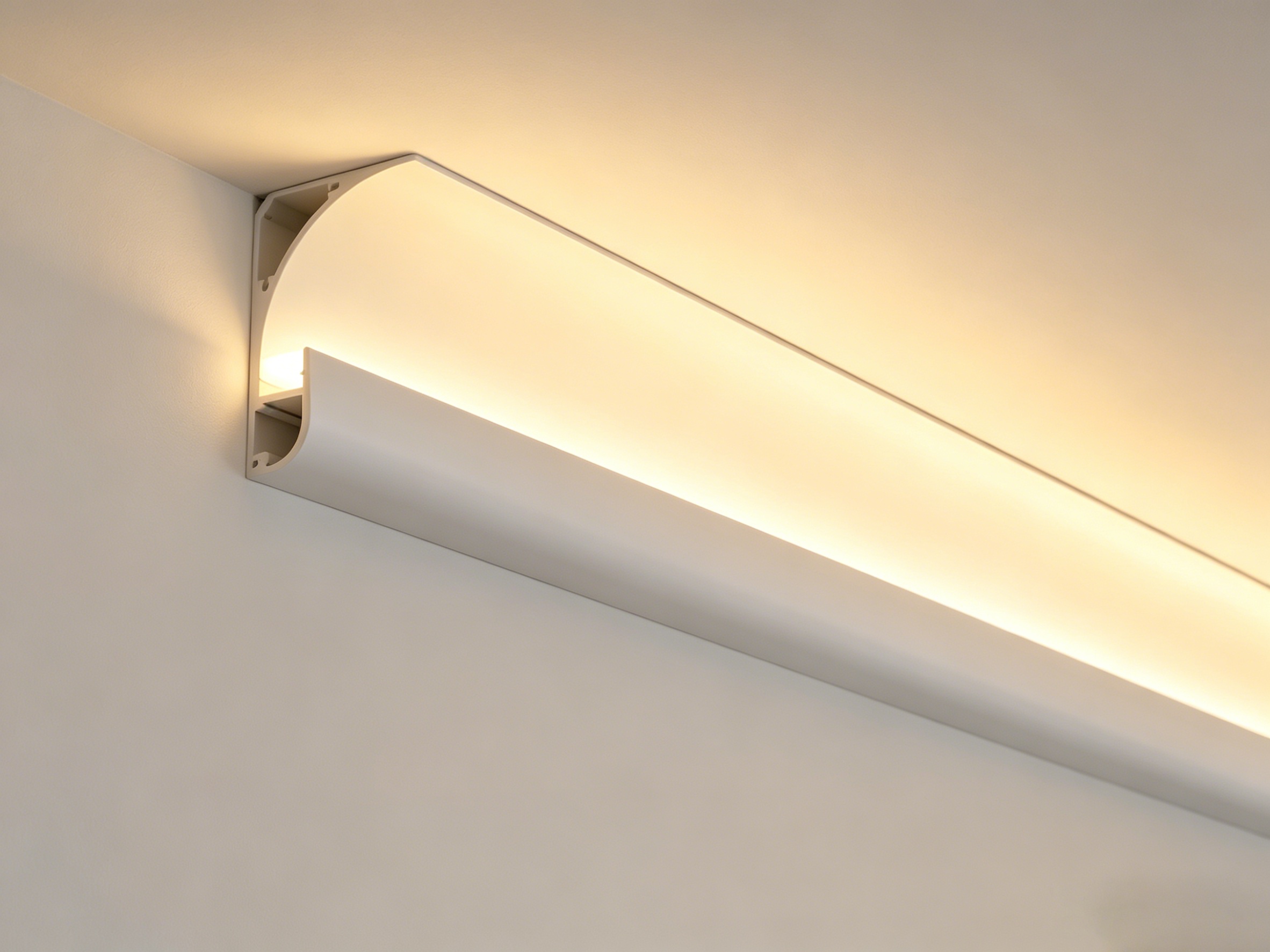
1. What is LED Aluminum Profile: Positioning in Modern Interiors
LED Aluminum Profile is more than a lighting accessory—it is an integrated architectural lighting solution designed for modern interiors and commercial projects. It combines LED strip protection, heat dissipation, decorative aesthetics, and structural installation into one system.
In large-scale South Africa construction projects, LED aluminum profiles are widely used because they offer:
- Lightweight structural performance
- Efficient heat management for longer LED lifespan
- Modern linear lighting aesthetics
- Faster installation compared with traditional lighting channels
Compared with exposed LED strip installations, aluminum profiles provide:
- Better durability
- Cleaner visual appearance
- Improved safety and maintenance efficiency
This creates the foundation for comparing profile types and selecting the right system.
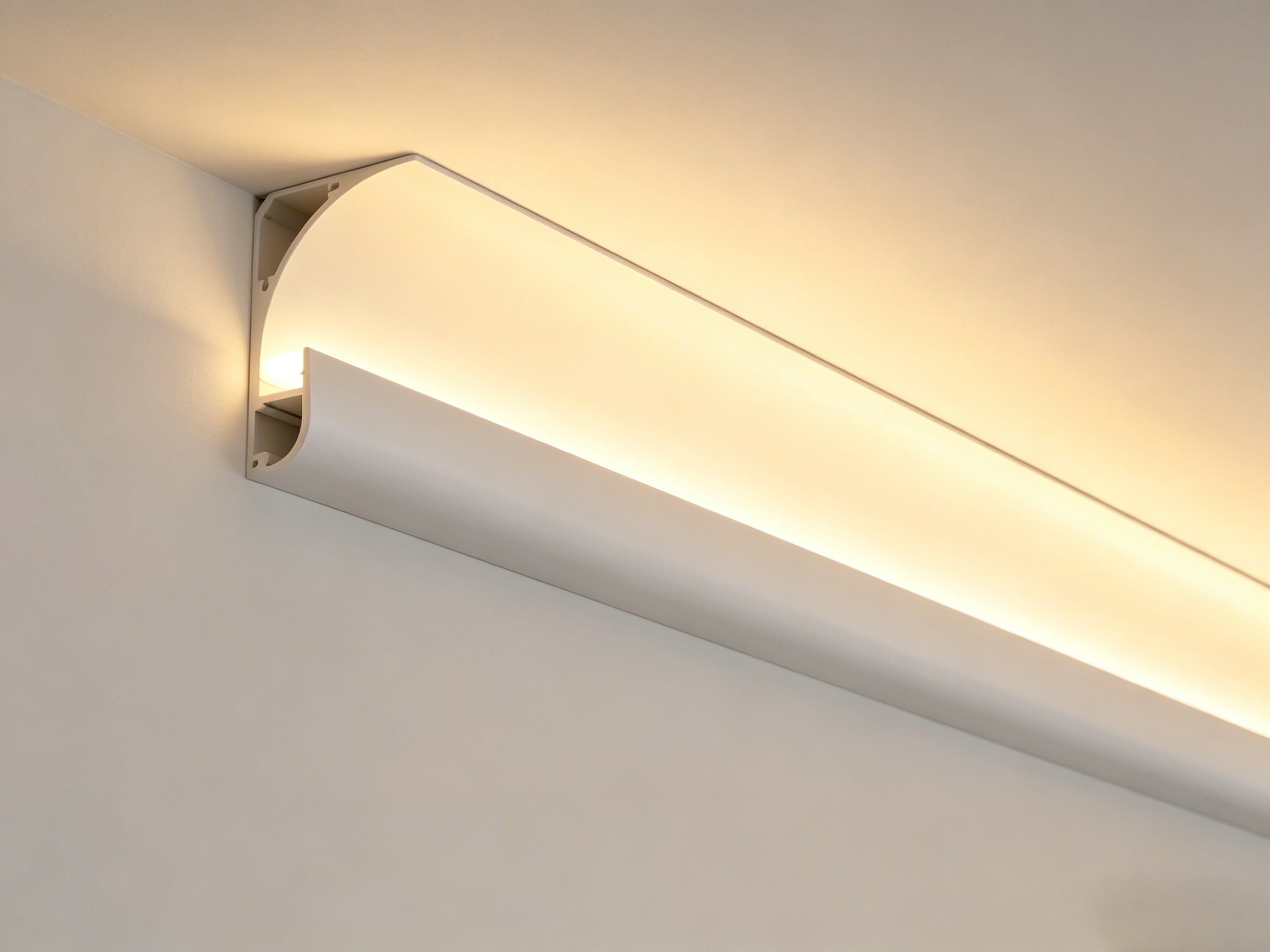
2. Types and Options: Understanding the Variety
Thickness and Structural Variations
Different projects require different structural capacities:
- Thin profiles → residential decorative lighting
- Reinforced profiles → commercial and high-traffic projects
Finish Options
Common finishes include:
- Powder-coated aluminum
- Anodized aluminum
- Matte black
- Silver brushed finish
- Custom wood grain effects
The finish directly affects both aesthetics and corrosion resistance.
Standard Grade vs Heavy-Duty Grade
Standard Grade
- Lower cost
- Suitable for apartments and residential projects
- Basic lighting requirements
Heavy-Duty Grade
- Stronger aluminum structure
- Better heat dissipation
- Designed for malls, hotels, and public spaces
- Longer service life
👉 Decision logic:
Profile structure → Heat performance → Application → Budget
3. Key Factors for Final Selection (Decision Matrix)
Durability vs Weight
For high-rise projects or suspended ceiling systems, lightweight profiles reduce structural load while maintaining stability.
Heavy-duty projects require thicker aluminum walls for impact resistance and long-term performance.
Aesthetic Requirements
Lighting design affects brand image:
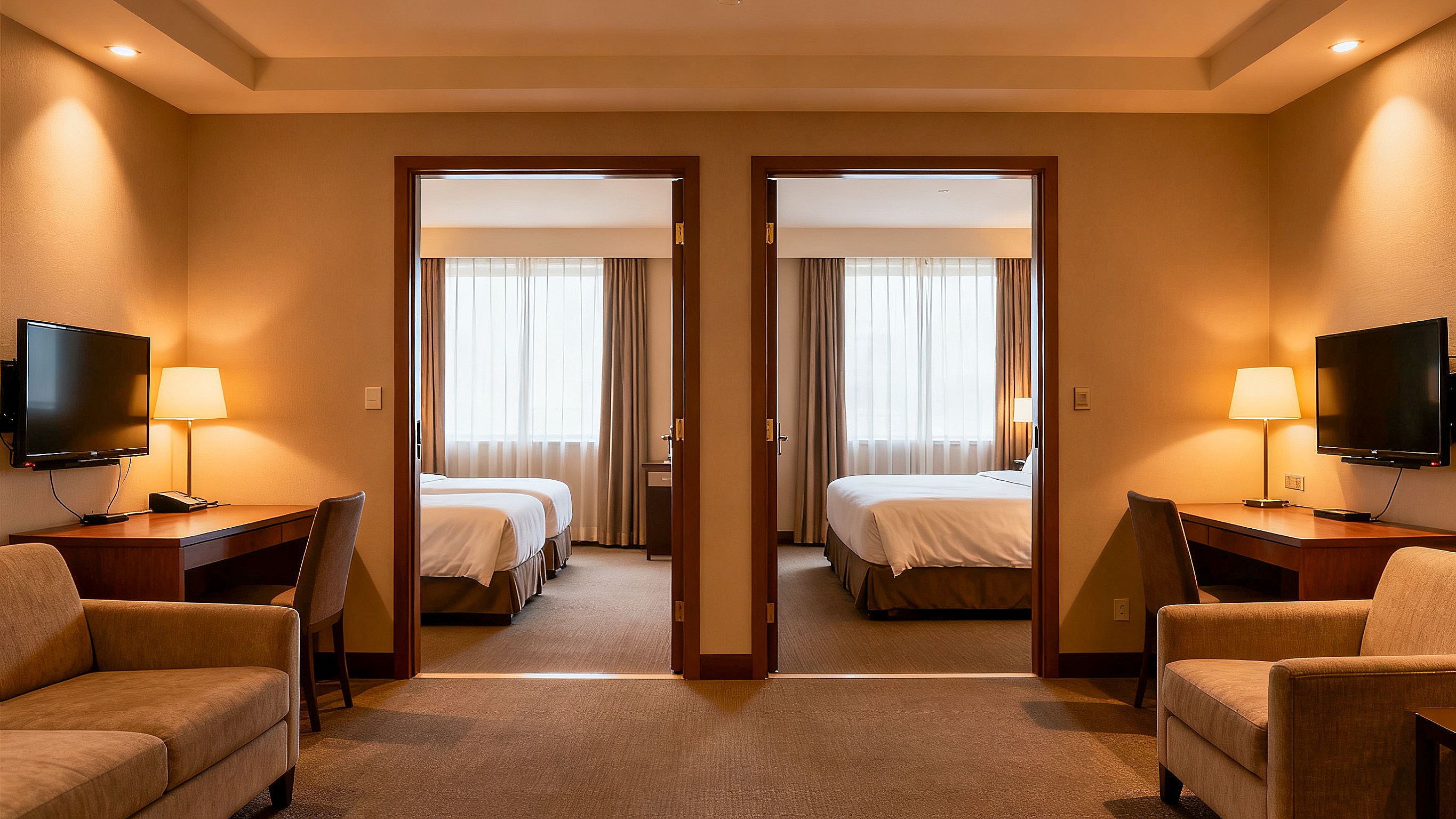
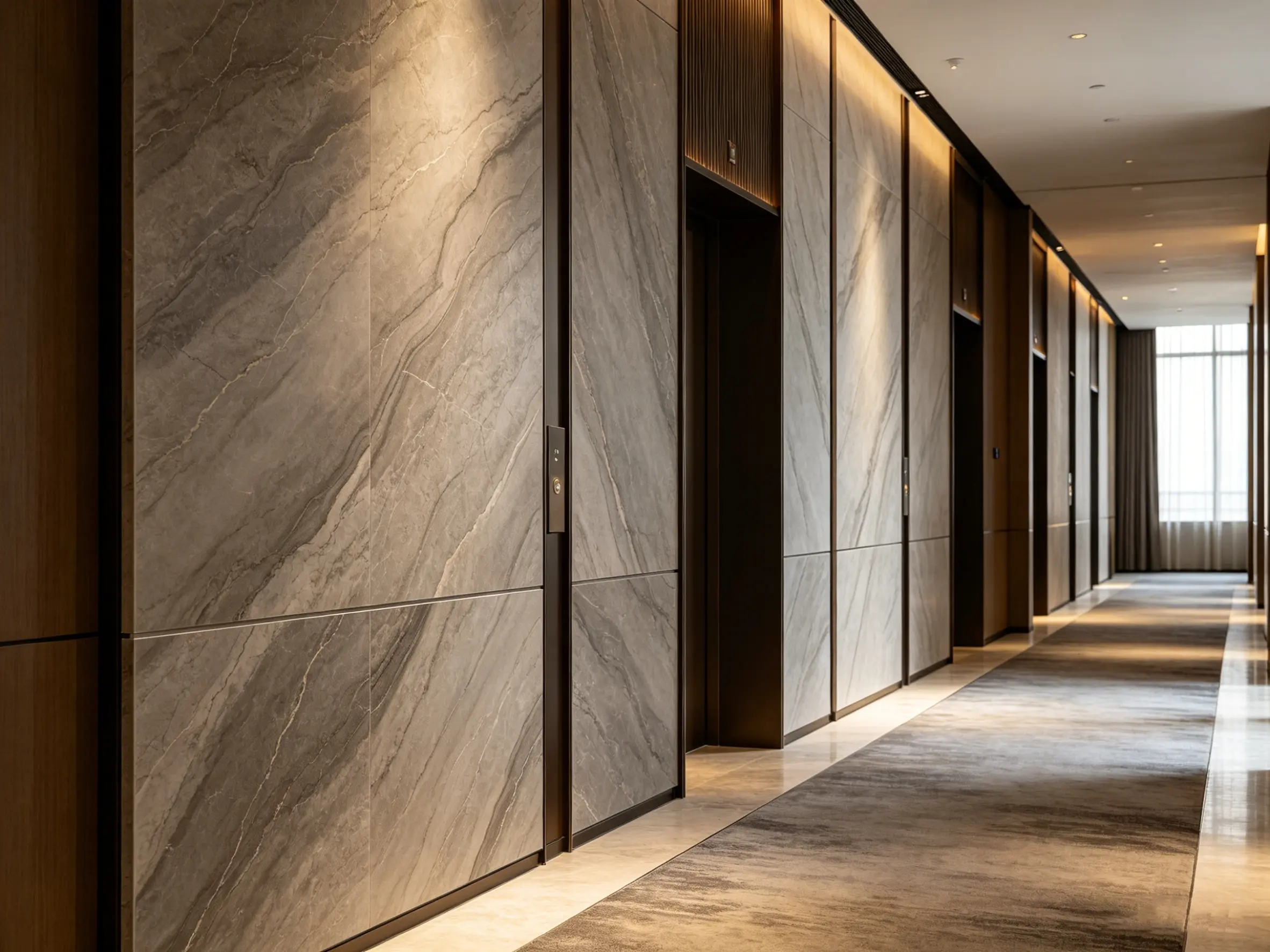
- Hotels prefer premium concealed lighting systems
- Retail stores focus on modern linear aesthetics
- Offices prioritize clean architectural integration
The right texture and finish improve overall project value.
Budget Ceiling
Projects with limited budgets should prioritize:
- Heat dissipation quality
- Installation efficiency
- Structural durability
Instead of focusing only on decorative appearance.
👉 The best buying strategy balances:
Core performance + installation efficiency + lifecycle cost
4. Performance Comparison: Why LED Aluminum Profile
LED Aluminum Profile vs Traditional Lighting Methods
| Feature | LED Aluminum Profile | Exposed LED Strip | Traditional Fixtures |
|---|---|---|---|
| Heat Dissipation | Excellent | Poor | Medium |
| Appearance | Modern | Basic | Traditional |
| Installation | Modular | Simple | Complex |
| Lifespan | Long | Shorter | Medium |
| Maintenance Cost | Low | Medium | High |
South Africa Climate Advantages
In coastal South Africa areas with humidity exposure:
- Anodized aluminum profiles provide better corrosion resistance
- Enclosed profile systems protect LEDs from dust and moisture
This significantly improves lighting stability and maintenance performance.
5. Application-Based Selection Strategy
Hotels
Focus on:
- Fire safety
- Premium lighting aesthetics
- Acoustic-friendly concealed systems
Heavy-duty recessed profiles are recommended.
Offices
Require:
- Fast modular installation
- Energy-efficient lighting
- Clean ceiling integration
Slim linear profiles are ideal.
Shopping Malls
Need:
- Impact resistance
- Easy cleaning
- Long operational lifespan
Commercial-grade aluminum profiles are preferred.
6. Common Buying Mistakes to Avoid (Risk Mitigation)
Choosing Based Only on Unit Price
Low-cost profiles often use thinner aluminum, reducing heat dissipation and lifespan.
Ignoring Total Installation Cost
Cheap systems may require additional accessories and labor adjustments.
Overlooking Supplier Engineering Experience
Suppliers without project experience may fail to match profiles with lighting systems correctly.
Underestimating Logistics Damage
Poor packaging increases transportation damage risk during international shipping.
7. Customization & B2B Specification Matching
For commercial projects and OEM buyers, customization is critical.
Available customization includes:
- Custom profile dimensions
- Surface finish matching
- Lens and diffuser selection
- OEM private labeling
- Project-based engineering specifications
This helps contractors maintain brand consistency and project standards.
8. Final Buying Advice: The 4-Step Process
Step 1 — Confirm Project Grade
Define whether the project is residential, commercial, or infrastructure.
Step 2 — Match Technical Specifications
Select profile thickness, finish, and heat dissipation level.
Step 3 — Evaluate Factory Capability
Check production capacity, OEM support, and export experience.
Step 4 — Confirm Delivery & Logistics
Verify lead time, packaging standards, and shipping stability.
👉 This structured process reduces purchasing risk and improves project efficiency.
CTA Section
Confused about which specification fits your project best? Contact our technical consultants for a Free Product Comparison Report and Customized Selection Advice.
Official Website: www.mrsalufactory.com
WhatsApp: +86 18923111901
Email: mrsaluwinnie@gmail.com
Buying Guide: How to Choose the Best Carbon Crystal Board for South Africa Projects
SPC Honeycomb Wall Panel Buying Guide: How to Choose the Best Solution for South Africa Projects