What Is SPC Anti-Collision Wall Panels? Complete Product Knowledge Guide SPC Anti-Collision Wall Panels
Detailed Description
1 What Is SPC Anti-Collision Wall Panels?
SPC Anti-Collision Wall Panels are interior wall protection panels manufactured from Stone Plastic Composite (SPC) materials. These panels are designed to protect walls from daily impact, scratches, and damage while also improving interior decoration.
SPC Anti-Collision Wall Panels combine durability with aesthetic appearance, making them widely used in modern commercial buildings. For contractors or distributors looking to buy SPC Anti-Collision Wall Panels, these panels offer a practical solution for high-traffic areas.
Because of their rigid core structure, SPC Anti-Collision Wall Panels provide excellent wall protection compared with traditional wall finishes. Many construction companies in Malaysia prefer these panels when building hospitals, schools, and office corridors where wall protection is required.
2 Material Composition & Structure
SPC Anti-Collision Wall Panels are engineered using several layers of advanced materials. The typical structure includes:
-
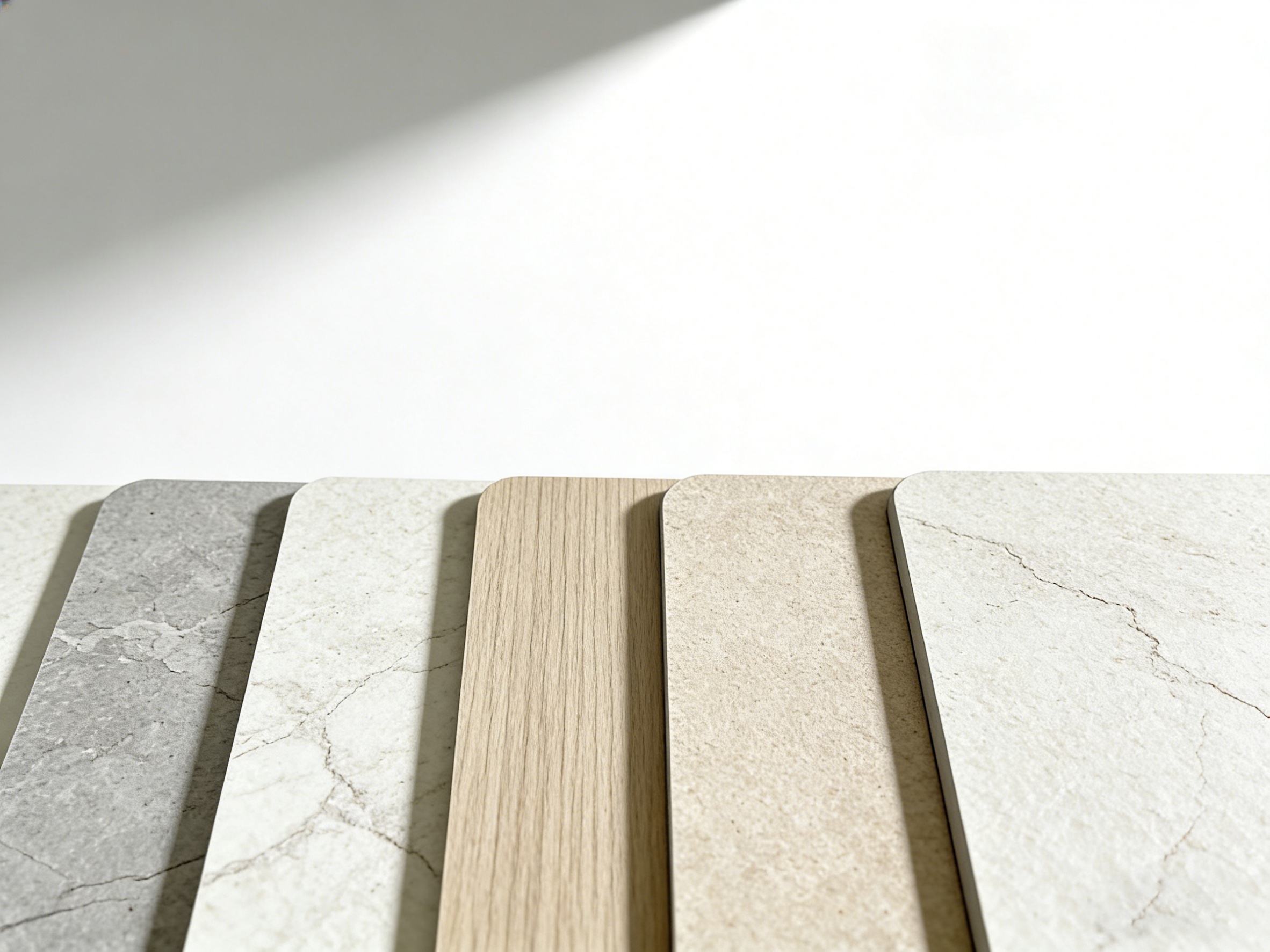
Decorative surface layer – printed decorative film with wood grain, stone texture, or solid colors.
-
Wear-resistant coating – protects the panel from scratches and abrasion.
-
SPC rigid core layer – a dense composite of limestone powder and PVC resin that provides strength and stability.
-
Impact protection layer – designed to absorb external force and reduce wall damage.
This multi-layer design gives SPC Anti-Collision Wall Panels excellent impact resistance, waterproof performance, and structural stability. For distributors sourcing SPC Anti-Collision Wall Panels wholesale, the engineered structure ensures long-term durability and stable quality.
3 Key Features & Advantages
SPC Anti-Collision Wall Panels provide several advantages that make them suitable for commercial interior construction:
Strong impact resistance
The rigid SPC core structure allows the panels to absorb impact and protect walls from damage in busy areas.
Waterproof and moisture resistant
Unlike traditional wooden wall panels, SPC materials are resistant to humidity, making them suitable for tropical climates such as Malaysia.
Fire-resistant performance
Many SPC Anti-Collision Wall Panels meet building safety standards and provide improved fire resistance for public buildings.
Easy installation
The panels can be installed with clips, adhesives, or modular systems, which simplifies construction.
Low maintenance
The surface is easy to clean and does not require frequent repairs.
Because of these features, many developers searching for SPC Anti-Collision Wall Panels supplier solutions consider SPC panels as a long-term wall protection system.
4 Manufacturing Process
The manufacturing process of SPC Anti-Collision Wall Panels involves several controlled production stages.
First, limestone powder and PVC resin are mixed to produce the SPC core material. This mixture is processed through high-temperature extrusion to create rigid composite boards.
Next, decorative film layers are applied to the panel surface using heat lamination technology. A wear-resistant coating is then added to increase durability.
Finally, panels are cut into standardized dimensions and undergo quality inspection before packaging.
Manufacturers supplying SPC Anti-Collision Wall Panels wholesale often export these products to international construction markets including Malaysia, where demand for durable wall protection materials continues to increase.
5 Specifications & Sizes
SPC Anti-Collision Wall Panels are available in multiple sizes and finishes depending on project requirements.
Common specifications include:
-
Standard panel size: 1220 × 2440 mm
-
Large panel size: 1220 × 3600 mm
-
Thickness options: typically 8 mm or customized
-
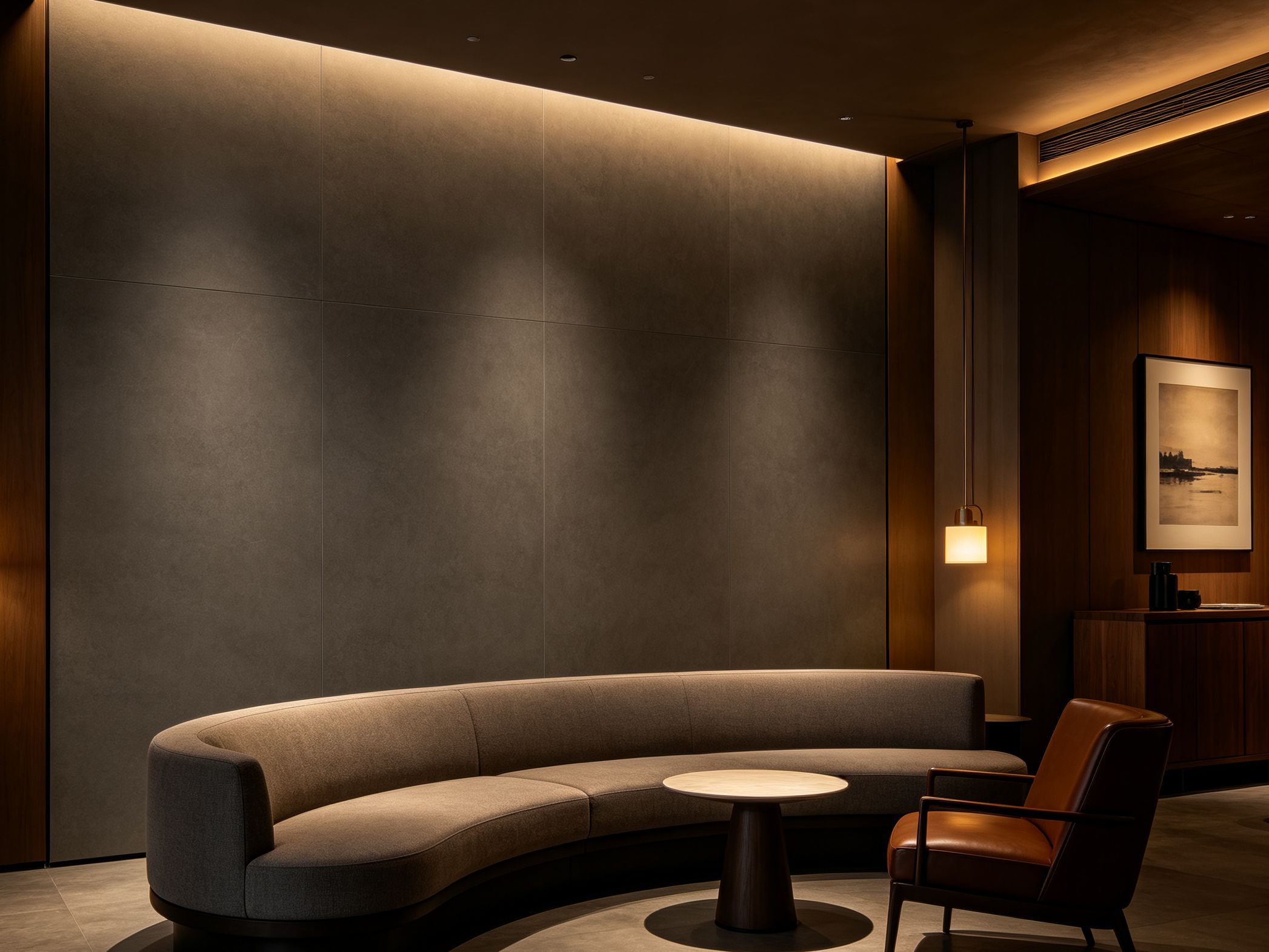
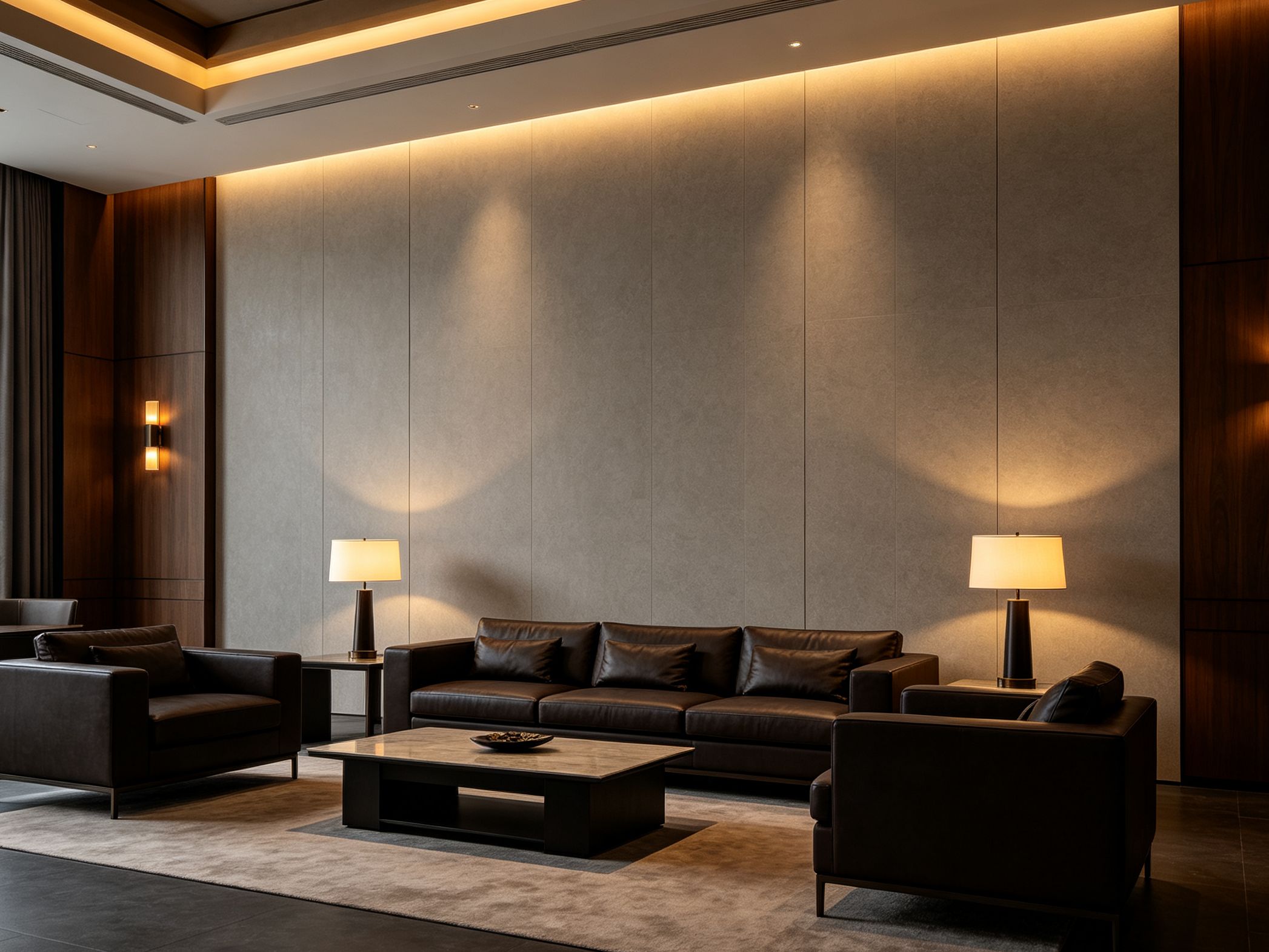
Surface finishes: wood grain, stone texture, matte colors
-
Edge designs: flat edge, tongue-and-groove, or modular locking
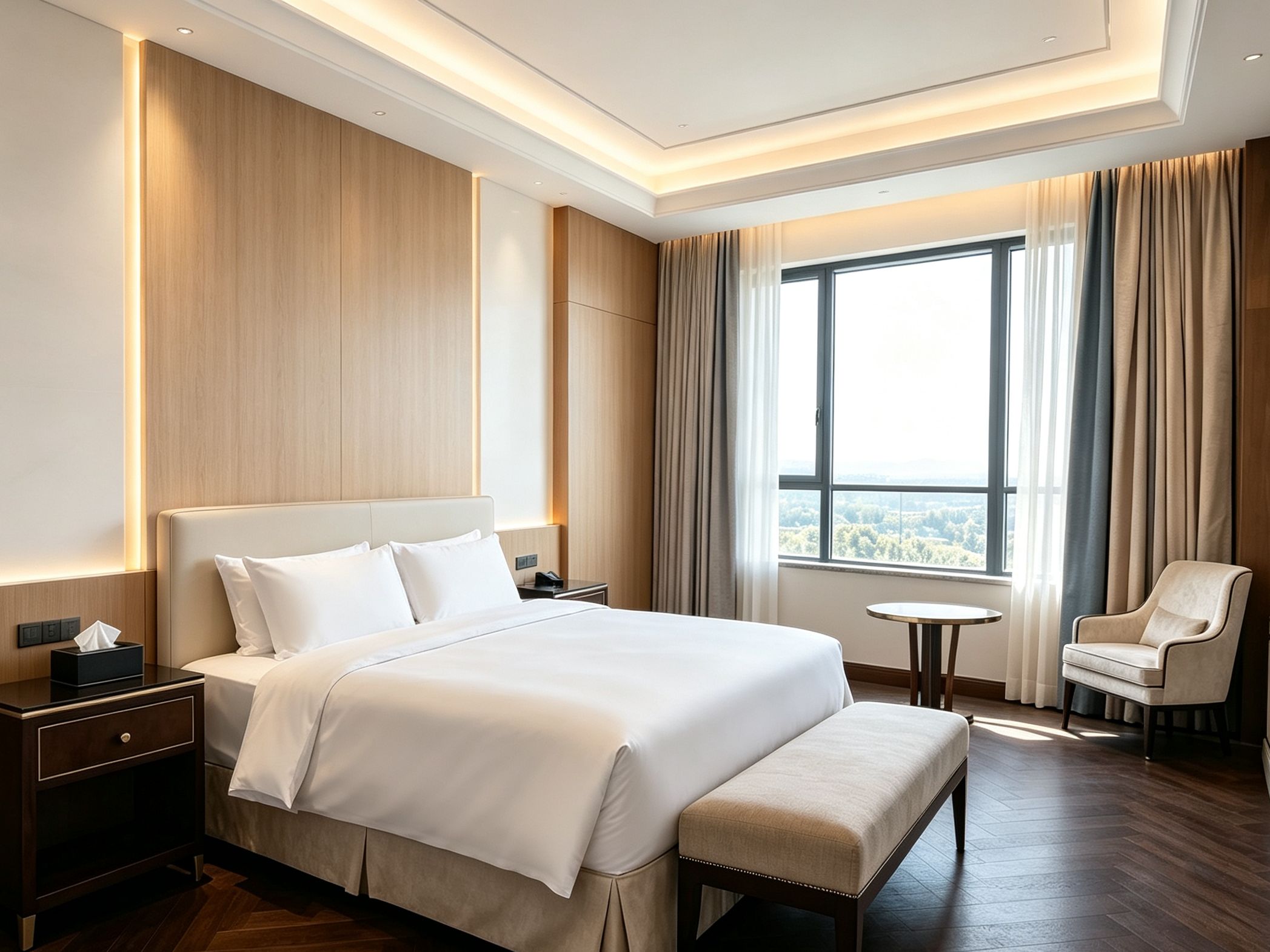
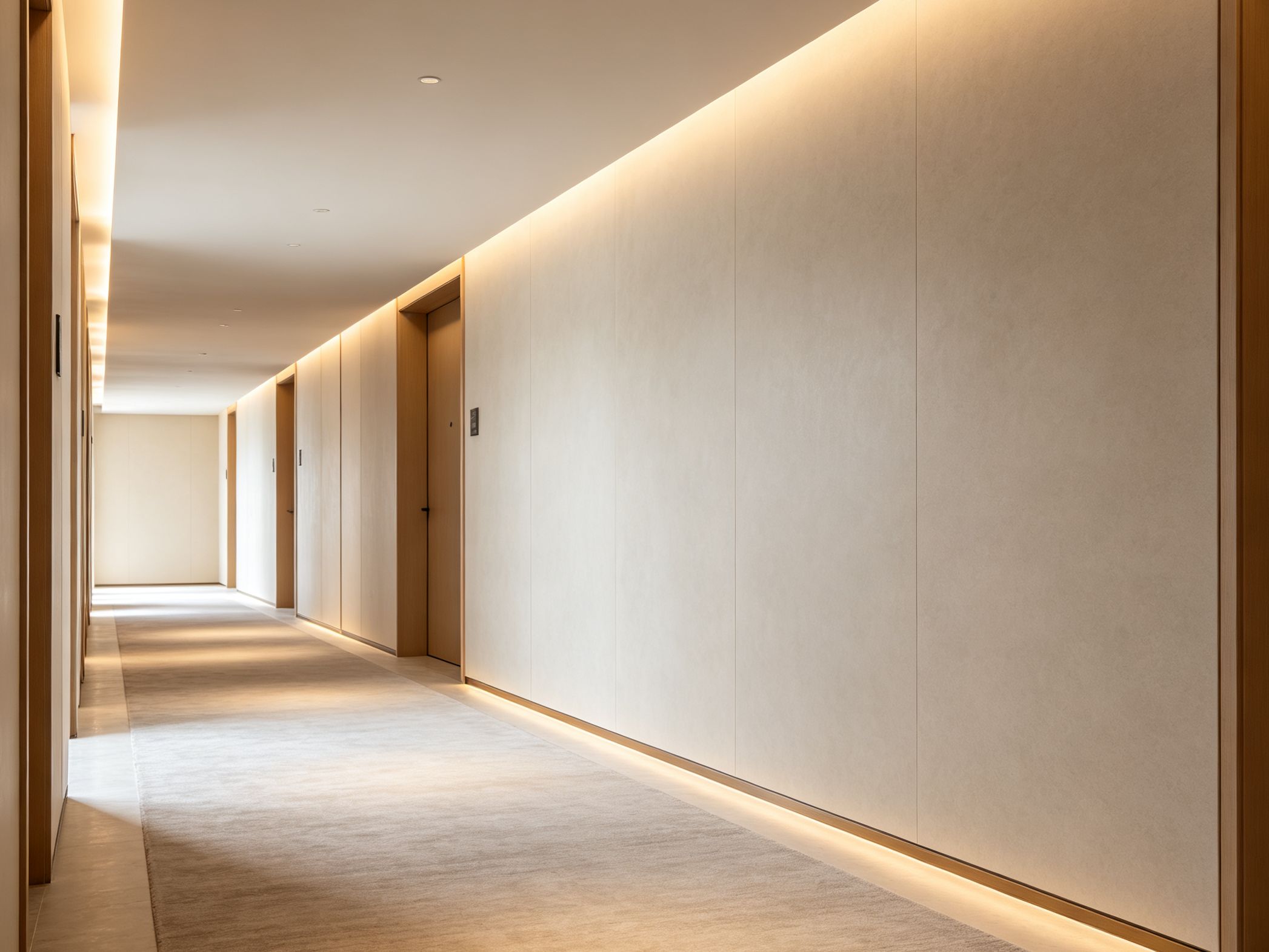
These panels are widely used in interior protection projects such as hospital corridors, school hallways, hotel interiors, and office buildings.
Custom colors and textures can also be produced for architectural design requirements.
6 Applications
SPC Anti-Collision Wall Panels are designed for environments where wall protection and durability are important.
Typical applications include:
-
Hospitals and medical facilities
-
Schools and educational buildings
-
Hotel corridors and guest areas
-
Office buildings and commercial interiors
-
Shopping malls and public buildings
-
Apartment corridors and residential projects
In Malaysia, these panels are commonly used in hospital corridors, commercial buildings, and educational facilities, where walls are exposed to frequent contact and potential damage.
7 Comparison With Other Materials
Compared with traditional wall finishing materials, SPC Anti-Collision Wall Panels offer several advantages.
Compared with paint walls
Paint surfaces are easily scratched and require frequent maintenance. SPC panels provide stronger impact resistance.
Compared with PVC wall panels
SPC Anti-Collision Wall Panels have a denser core structure, making them more rigid and durable.
Compared with wooden wall panels
Wood panels can be affected by moisture and termites, while SPC materials are waterproof and more stable.
For buyers searching for SPC Anti-Collision Wall Panels supplier, SPC systems provide better long-term durability for commercial buildings.
8 Installation, Maintenance & Lifespan
SPC Anti-Collision Wall Panels are designed for efficient installation.
Installation methods typically include:
-
adhesive installation on flat walls
-
aluminum profile systems
-
modular clip structures
After installation, maintenance is simple. The surface can be cleaned using a damp cloth or mild detergent.
Because of the rigid SPC structure and protective coating, these panels often maintain their appearance and structural stability for many years, making them suitable for long-term commercial use.
9 Pros & Cons
Advantages
-
Strong impact resistance
-
Waterproof and moisture resistant
-
Easy installation
-
Decorative appearance
-
Low maintenance requirements
Limitations
-
Higher initial cost than simple wall paint
-
Requires proper wall preparation before installation
However, for projects requiring wall protection, many buyers choose to buy SPC Anti-Collision Wall Panels because of their durability and long service life.
10 Buying Guide
When selecting SPC Anti-Collision Wall Panels, buyers should consider several factors.
Material quality
Ensure the panels are made from high-density SPC core materials.
Thickness and strength
Thicker panels usually provide better impact protection.
Surface design
Choose finishes suitable for the project environment, such as wood grain or neutral commercial colors.
Supplier reliability
Working with an experienced SPC Anti-Collision Wall Panels supplier ensures consistent product quality and stable supply.
For construction projects in Malaysia, these panels are commonly selected for hospital corridors, schools, and commercial interior projects, where wall protection and durability are essential.
What Is Welded Aluminum Wall Panels? Complete Product Knowledge Guide welded aluminum wall panels
What Is LED Skirting Boards? Complete Product Knowledge Guide LED skirting boards