The Ultimate Guide to HPL Panel: Everything You Need to Know for Vietnam Projects
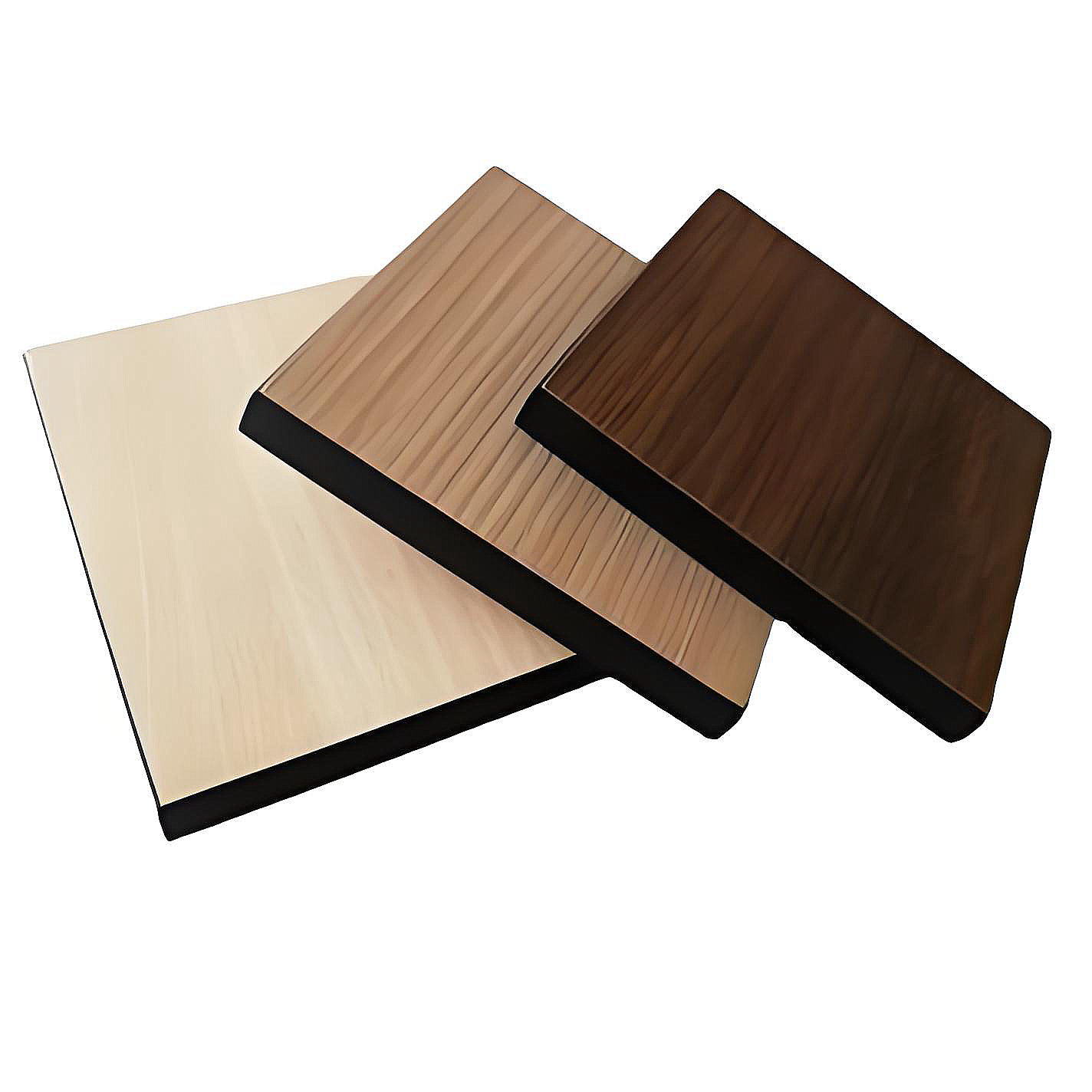
What is HPL Panel: A System-Level Definition
In the modern building lifecycle, an HPL panel (High-Pressure Laminate panel) functions as a highly durable, multi-purpose architectural surface material. Rather than being a mere cosmetic sheet, it serves as a self-supporting or composite exterior and interior wall cladding system engineered to replace traditional materials like natural timber, heavy ceramic tiles, and high-maintenance exterior paint.
In fast-growing markets like Vietnam, HPL panels have gained immense popularity. Traditional building finishes frequently fail in humid, tropical climates, leading to cracking, mold growth, and color fading. The HPL panel successfully addresses these regional pain points by offering an impenetrable, weather-resistant barrier that slashes building lifecycle maintenance costs while matching the aesthetic demands of contemporary urban architecture.
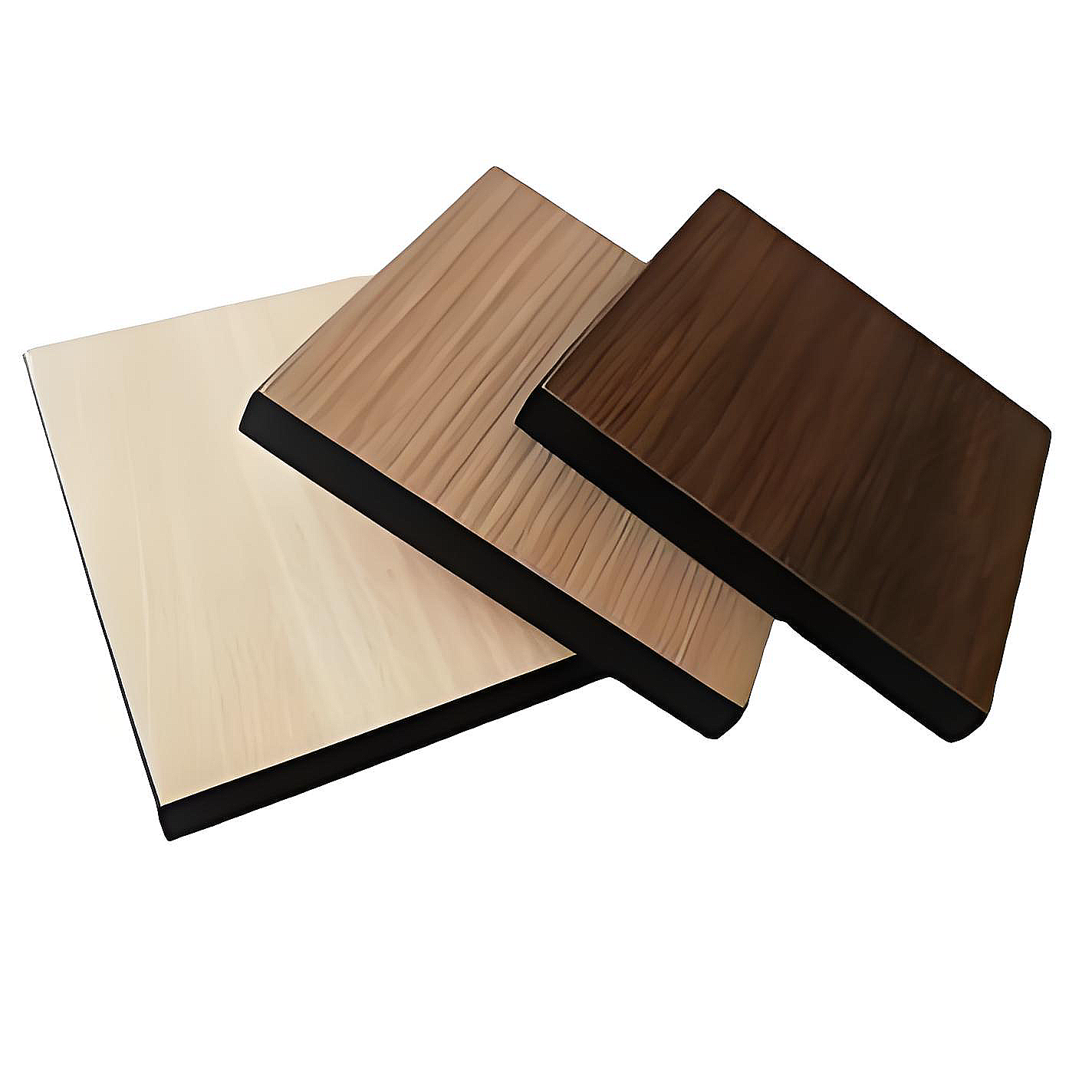
Structure & Technical Features (The Science Behind It)
The exceptional durability of an HPL panel relies entirely on its multi-layered, high-pressure manufacturing science:
-
Surface Protection Layer: The outermost layer consists of a clear overlay treated with specialized melamine resin. This layer delivers superior scratch, impact, and UV resistance, protecting the design from intense tropical sunlight.
-
Decorative Layer: A resin-impregnated decorative paper that displays high-definition colors, wood grains, or stone textures.
-
Core Stability Layer: The core is composed of multiple layers of premium kraft paper saturated with phenolic resin.
During manufacturing, these layers are fused under extreme heat ($>140^\circ\text{C}$) and high pressure ($>5\,\text{MPa}$). This thermofusing process triggers a chemical cross-linking reaction, transforming individual components into a single, non-porous, high-density composite panel. This dense molecular packing explains why HPL panels achieve remarkable high strength and structural rigidity while remaining significantly lightweight compared to concrete or solid stone slabs, reducing the dead load of the entire building structure.
Key Advantages over Traditional Materials
To understand why global developers are shifting toward HPL panels, consider this direct comparison with traditional construction alternatives:
| Comparison Dimension | HPL Panel | Traditional Timber | Gypsum Board | Cement/Stone Cladding |
| Installation Speed | Extremely Fast (Modular/Dry) | Slow (Requires treating/painting) | Moderate (Requires joint taping) | Very Slow (Wet mortar/Heavy anchors) |
| Moisture & Mold Resistance | 100% Waterproof & Anti-fungal | Poor (Swells/Rots in humidity) | Low (Sagging/Water stains) | Moderate (Absorbs moisture over time) |
| Maintenance Cost | Virtually Zero (Self-cleaning) | High (Periodic sealing/varnishing) | High (Frequent repainting) | Moderate (Requires power washing) |
| Eco-Friendliness | High (Recyclable, Low VOC) | Variable (Deforestation risks) | Moderate | High carbon footprint in processing |
Applications: Where Does HPL Panel Shine?
Thanks to its advanced semantic flexibility and structural integrity, the HPL panel excels in demanding architectural environments:
-
Shopping Malls: In high-traffic retail environments, wall surfaces face constant abuse from shopping carts, strollers, and pedestrian traffic. Malls select HPL panels precisely for their decisive high impact resistance, ensuring walls remain flawless over decades of heavy public use.
-
Corporate Offices: Modern corporate office designs demand sleek, professional aesthetics paired with acoustic control and low-maintenance partition walls. HPL panels provide the ideal balance, offering quick space reconfiguration with premium finishes.
-
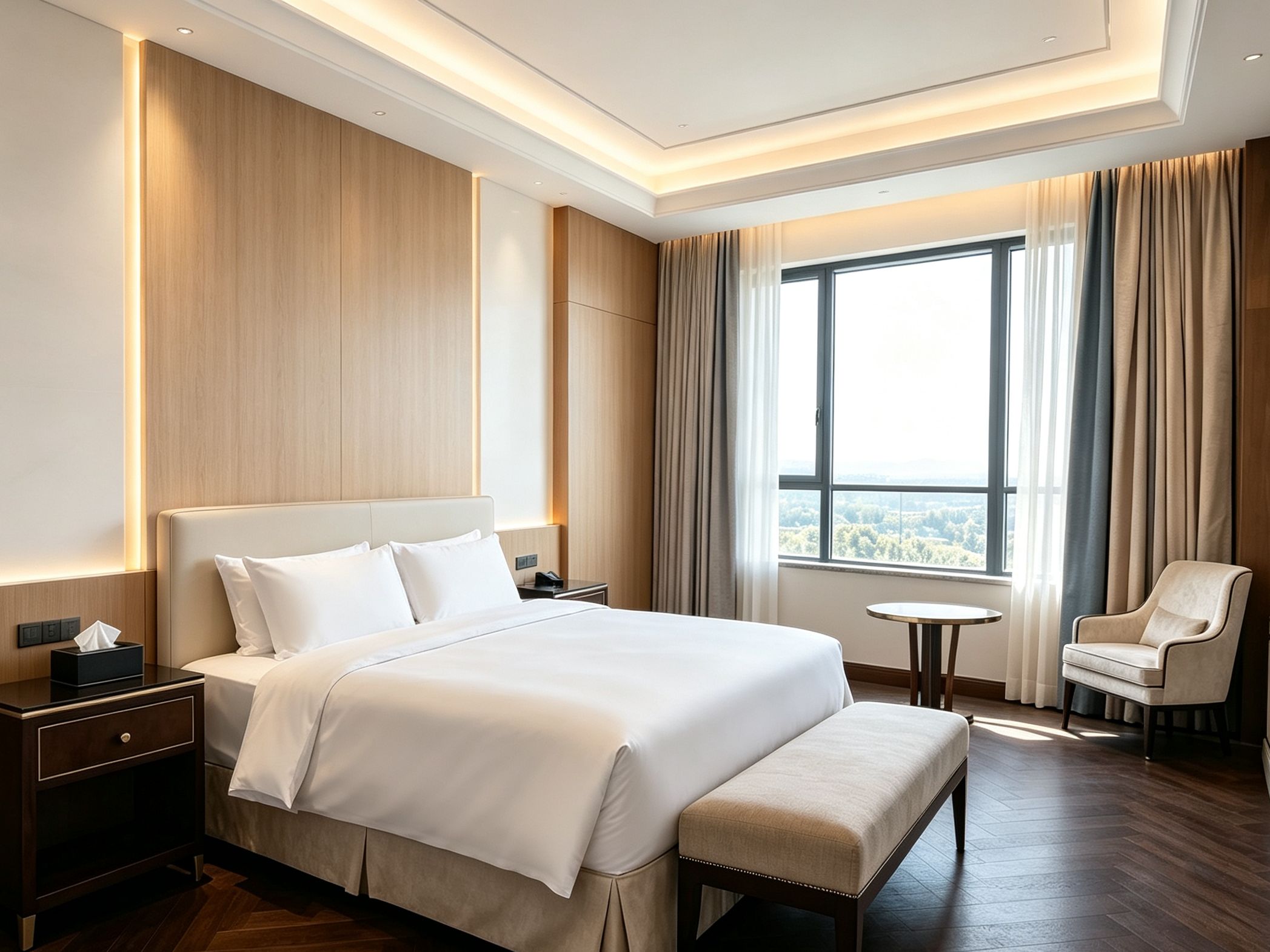
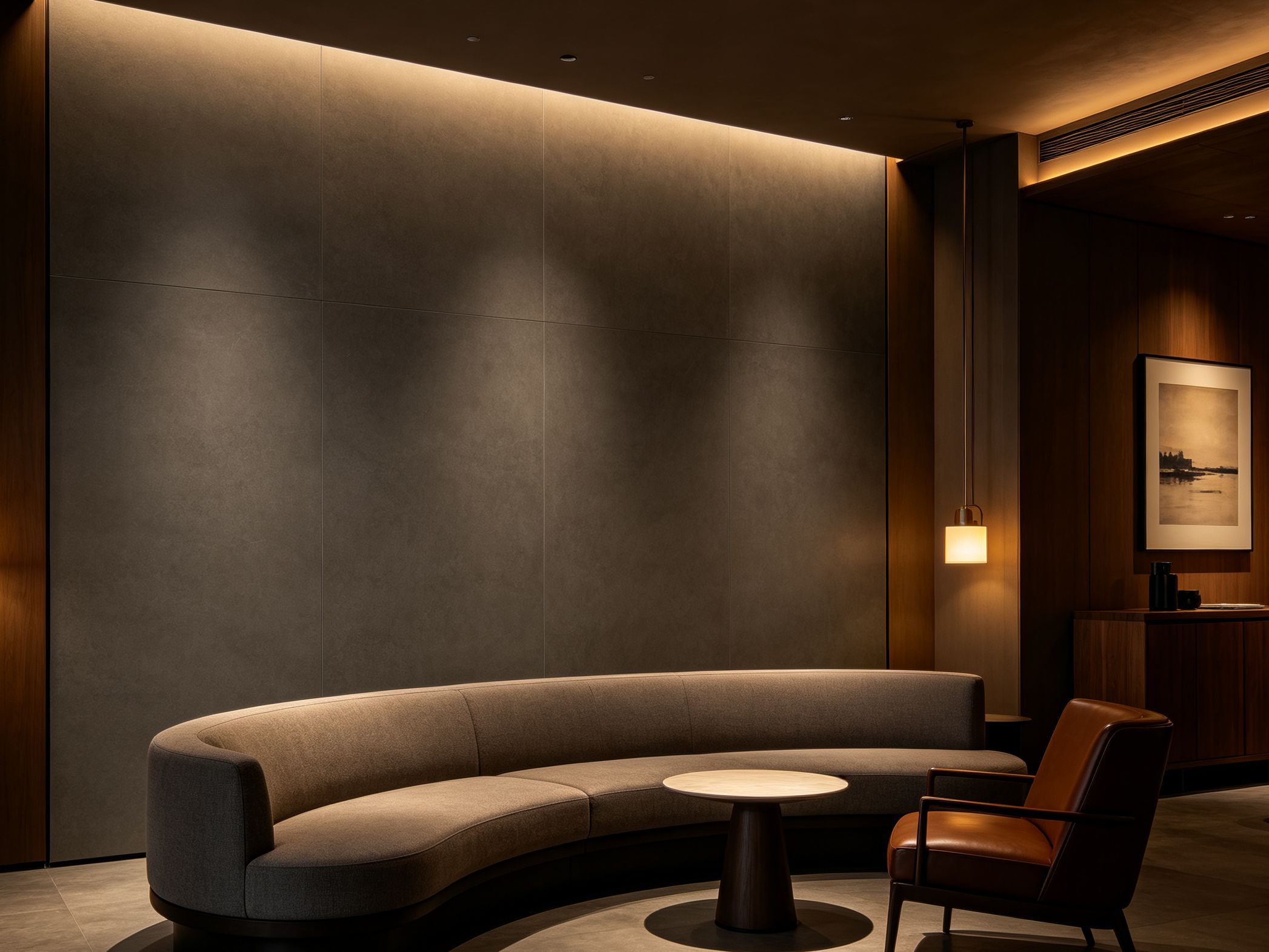
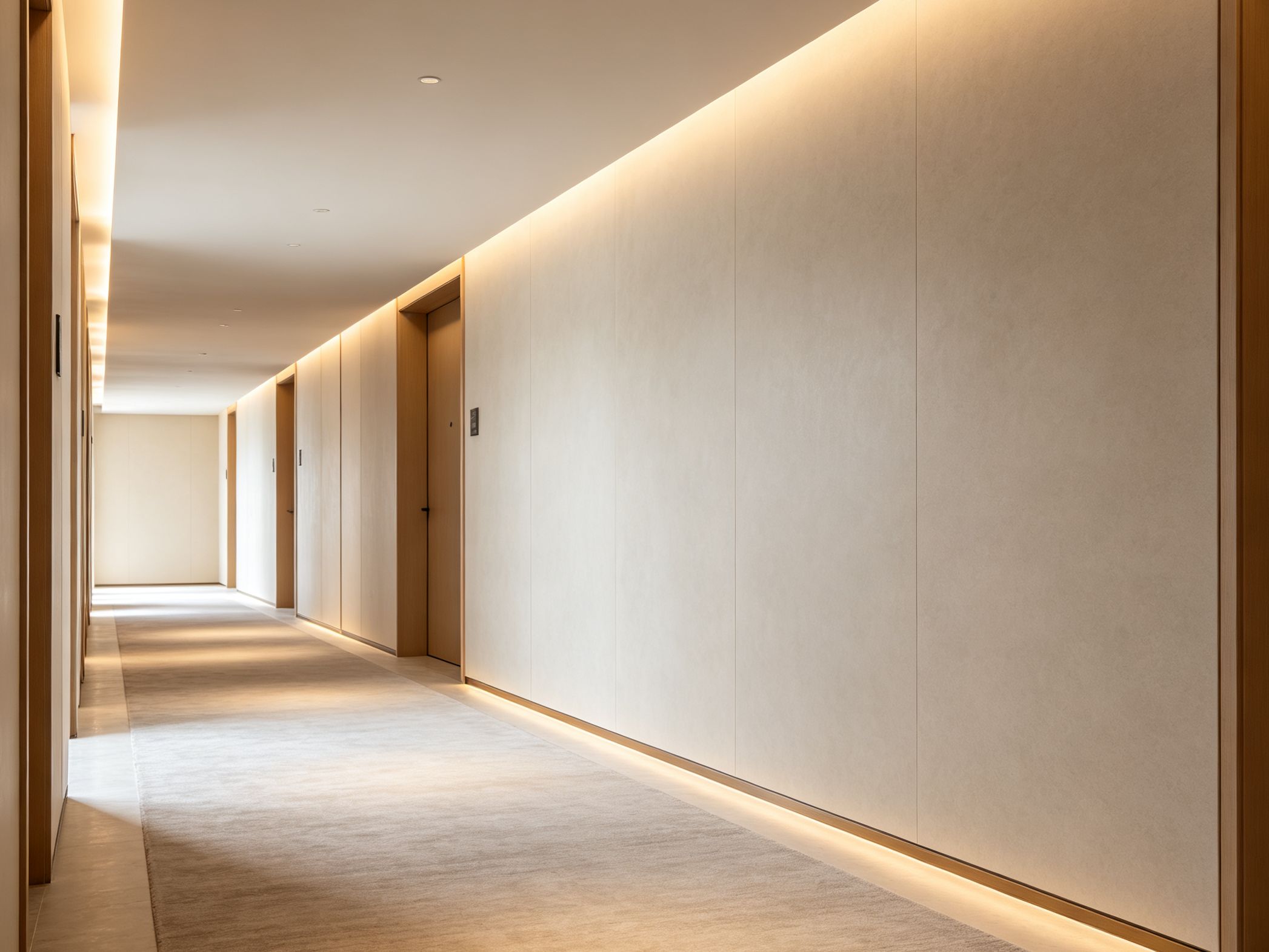
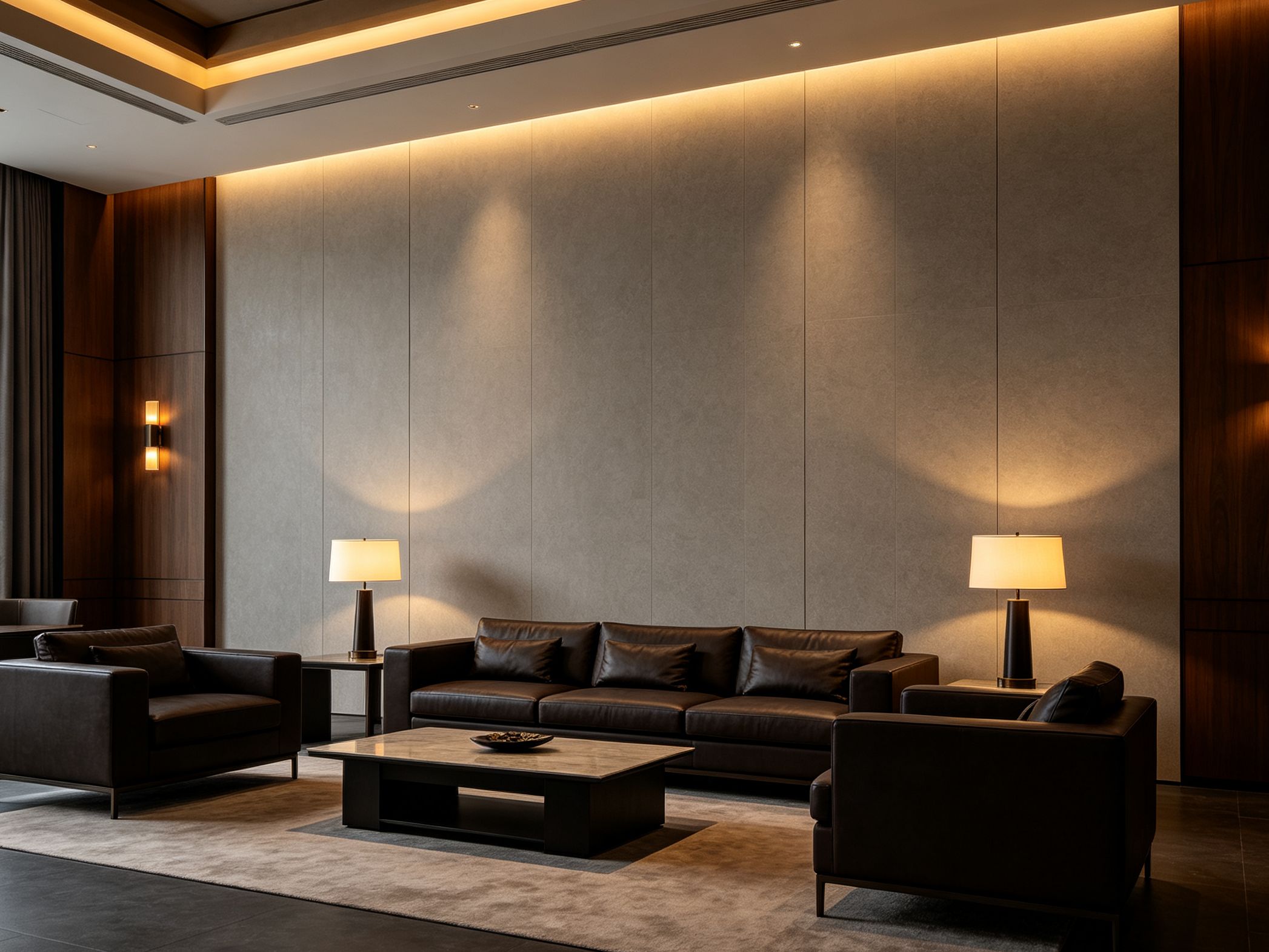
Luxury Hotels: For the hospitality sector, ambiance and safety are paramount. Hotels select HPL panels because they mimic luxury materials (like exotic wood or Italian marble) perfectly, while meeting stringent international fire safety and sanitization codes.
Installation & Practical Considerations (Real-World Logic)
Optimizing sub-structure engineering is crucial to maximizing the service life of an HPL panel. Modern construction projects generally utilize two main installation methodologies:
-
Modular Clip / Exposed Fastener Systems: Panels are mechanically fastened to aluminum or galvanized steel sub-frames using matching rivets or concealed clips.
-
Structural Adhesive Bonding Systems: Ideal for interior applications where a completely seamless, smooth surface design is preferred.
Master Engineering Tip: The implementation of Dry construction (干法施工) is the standard approach for high-efficiency project delivery. By avoiding wet mortar or on-site plastering, dry construction using HPL panels shortens installation schedules by up to 50%, completely bypasses weather dependencies, and ensures a cleaner, safer job site environment.
How to Choose: Quality Indicators for Buyers
As an established factory partner, we advise procurement managers to evaluate three critical physical parameters before placing bulk orders:
-
Density Verification: High-performance architectural exterior HPL panels must feature a density $\ge 1.35\,\text{g/cm}^3$. Low-density counterfeits use sub-par core fillers that warp in high humidity.
-
Thickness-to-Application Mapping: Use 4mm–8mm panels for interior wall cladding and furniture lining; always opt for $\ge 10\text{mm}$ to 12mm panels for structural exterior facades to handle wind load pressures.
-
UV Protection Rating: Ensure the product carries an integrated UV-protective coating layer (such as PVDF or specialized acrylic overlays) if deployed in tropical regions like Vietnam, preventing premature fading.
Common Misunderstandings & Pitfalls to Avoid
-
The Low-Price Trap (Interior vs. Exterior Grades): A frequent industry pitfall is purchasing cheap interior-grade HPL for outdoor facade applications. Interior panels lack UV stabilizers and will fade, crack, or delaminate under direct sunlight within 12 to 24 months. Always request certified exterior-grade lab test reports.
-
Confusing HPL with Standard Short-Cycle Laminates (MDF/Particle Board): Standard laminates use low-pressure bonding over compressed wood dust cores. True architectural HPL panels are completely solid, solid-phenolic core structures that cannot rot, delaminate, or absorb moisture.
Maintenance & Longevity Analysis
HPL panels deliver an exceptional return on investment (ROI). Because of their non-porous surface, dirt, graffiti, and environmental pollutants cannot adhere deeply to the material. Routine maintenance requires nothing more than a simple wipe-down with water and mild detergent. Under standard operating conditions, an exterior-grade HPL panel offers a calculated lifecycle exceeding 20 to 30 years, retaining its structural performance and aesthetic brilliance far longer than painted or wood-clad alternatives.
Frequently Asked Questions (FAQ)
Q1: Is the HPL panel completely fireproof?
While not completely fireproof, high-quality architectural HPL panels are highly flame-retardant. They typically carry Class B-s1, d0 (European Standard EN 13501-1) or Class A (ASTM E84) fire ratings, meaning they do not easily ignite, do not produce toxic smoke droplets, and actively delay the spread of fire.
Q2: Can HPL panels withstand heavy monsoon seasons and high humidity in Vietnam?
Yes. Because HPL panels are manufactured with thermosetting phenolic resins under extreme pressure, they are 100% waterproof and moisture-resistant. They do not warp, swell, rot, or support mold growth, making them ideal for coastal and tropical climates.
Q3: What are the main pros and cons of HPL panels compared to natural wood?
-
Pros: HPL panels offer significantly higher scratch resistance, require zero painting or sealing over their lifespan, are completely waterproof, and are highly resistant to termites.
-
Cons: HPL panels cannot be easily carved or sanded down like raw timber; they must be cut precisely using professional carbide-tipped tools according to architectural designs.
CTA Section
Strategic project planning requires expert knowledge. Contact our team for Technical Samples, Installation Guides, and Wholesale Quotes.
-
Official Website: www.mrsalufactory.com
-
WhatsApp: +86 18923111901
-
Email: mrsaluwinnie@gmail.com
SPC Wall Panels vs Traditional Wall Materials: Which Is Best for Hotels in the Philippines?
ACP vs Solid Sheet vs Aluminum Honeycomb Panels: Complete Cladding Comparison Guide for the US Market