The Ultimate Guide to LED Linear Light: Everything You Need to Know for South Africa Projects
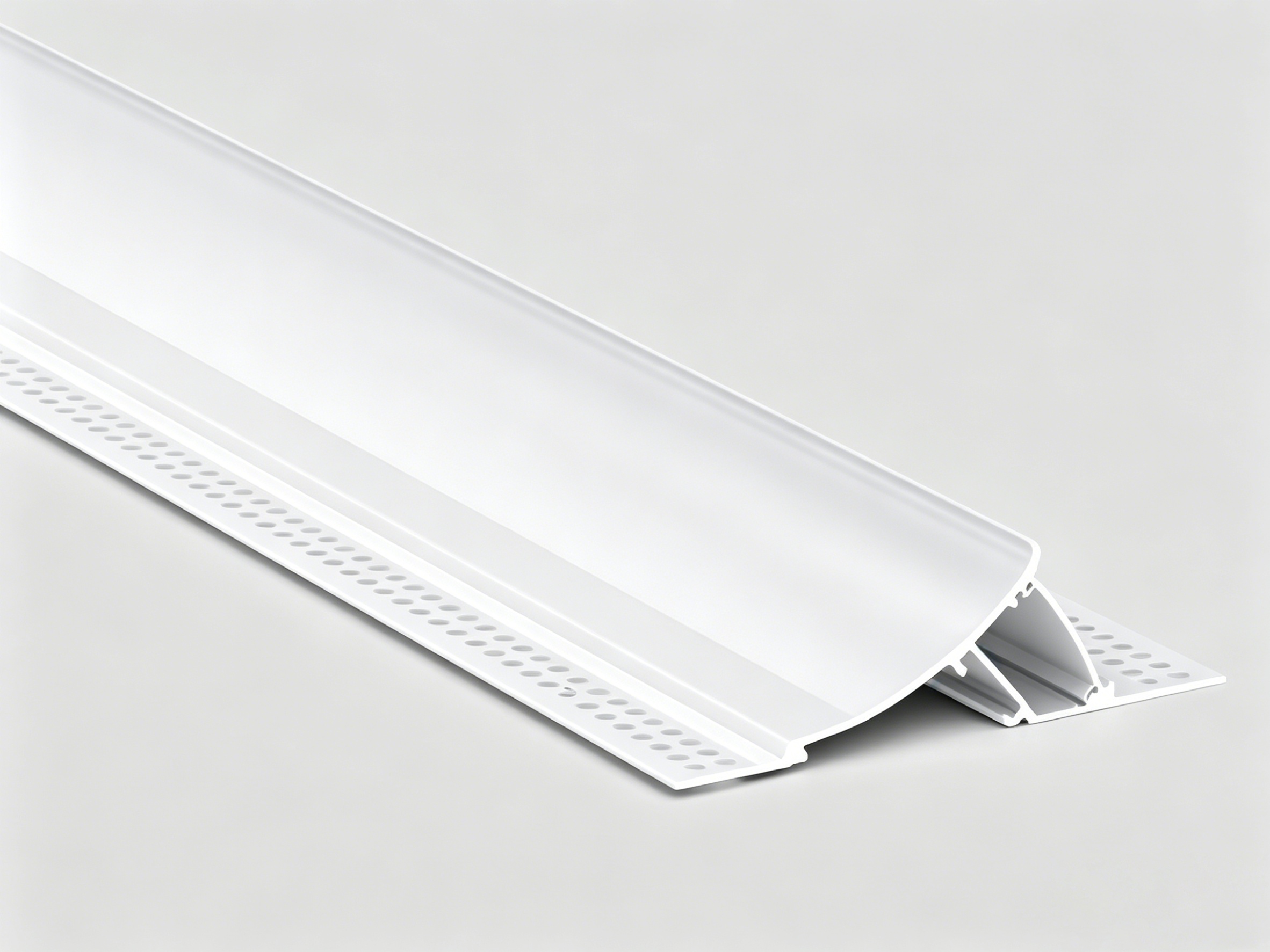
What is LED Linear Light: A System-Level Definition
In the modern construction lifecycle, LED Linear Light is no longer just a fixture; it is a sophisticated lighting system integrated into the building's skeleton. In the South African market, where energy efficiency and rapid project turnover are critical, these systems have largely replaced bulky, inefficient fluorescent tubes and traditional recessed troffers.
Unlike older technology, a linear system uses high-grade Aluminum Profiles to provide both a structural housing and a thermal management solution. Its popularity in regions like Johannesburg and Cape Town stems from its versatility—it bridges the gap between functional illumination and architectural art, allowing for continuous "lines of light" that traditional modular fixtures simply cannot achieve.
Structure & Technical Features (The Science Behind It)
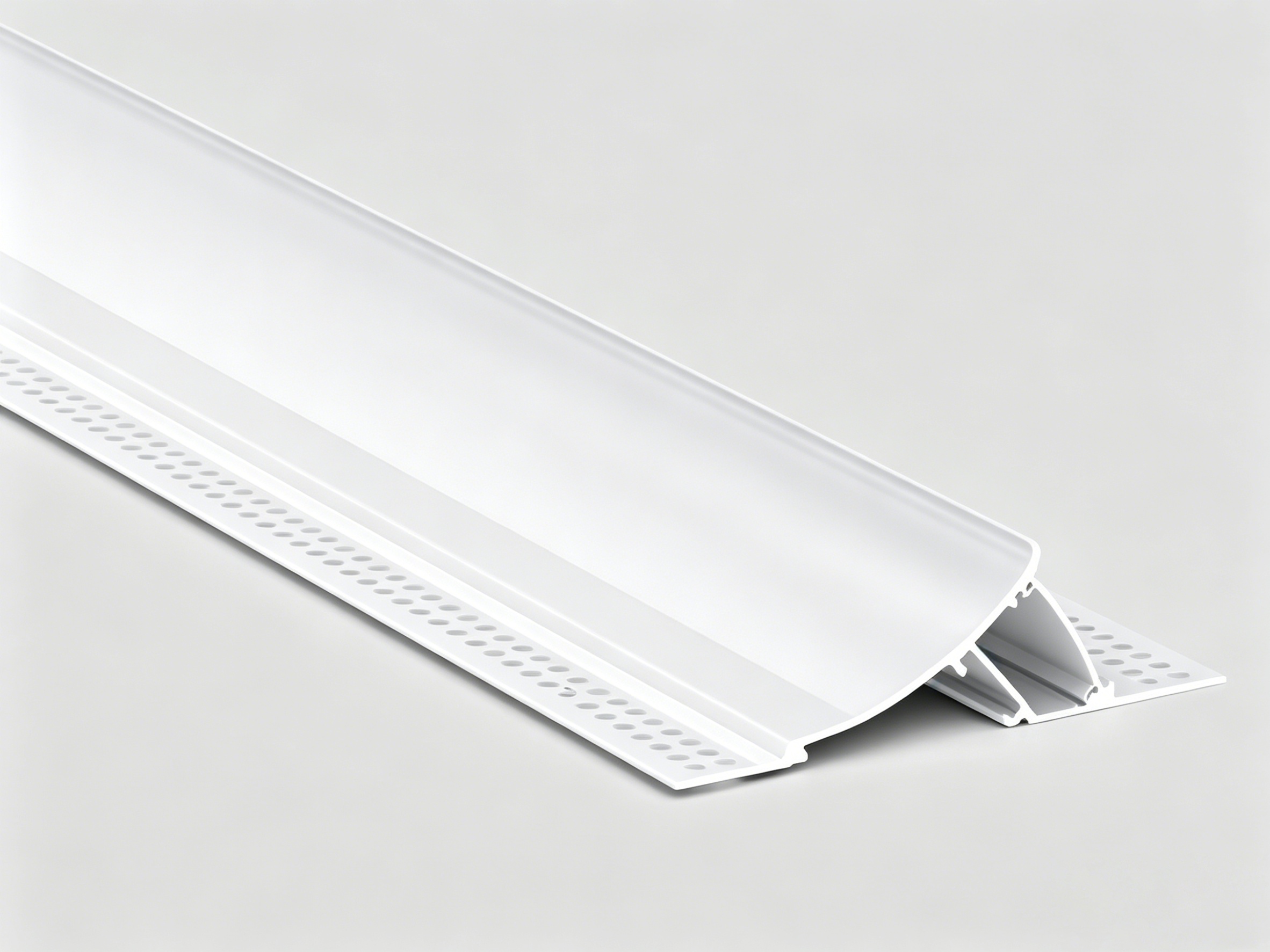
A professional-grade LED Linear Light system consists of three core components:
-
High-Grade Aluminum Housing: Acting as a robust heat sink, the profile ensures that the LED chips remain within optimal temperature ranges.
-
LED Light Source: High-density strips that provide uniform lumen output.
-
Polycarbonate (PC) or PMMA Diffusers: These protect the light source and provide glare-free distribution.
The Physics of Performance: This specific structure is the reason for its Lightweight yet High Strength nature. The use of 6063-T5 aluminum allows for thin-walled designs that do not sacrifice structural integrity, making them easy to install in high-ceiling environments without adding significant load to the building's frame.
Key Advantages over Traditional Materials
When compared to traditional wood-frame lighting coves, cement-based fixtures, or standard gypsum board cut-outs, LED Linear Lights (Aluminum Profiles) offer distinct advantages:
-
Installation Speed: A modular aluminum system can be installed in 40% less time than custom-built drywall coves.
-
Maintenance Costs: Aluminum does not warp, rot, or crack over time, unlike wood or plaster.
-
Sustainability: Fully recyclable materials and lower energy consumption provide a superior ESG rating for large-scale South African infrastructure projects.
Applications: Where Does LED Linear Light Shine?
-
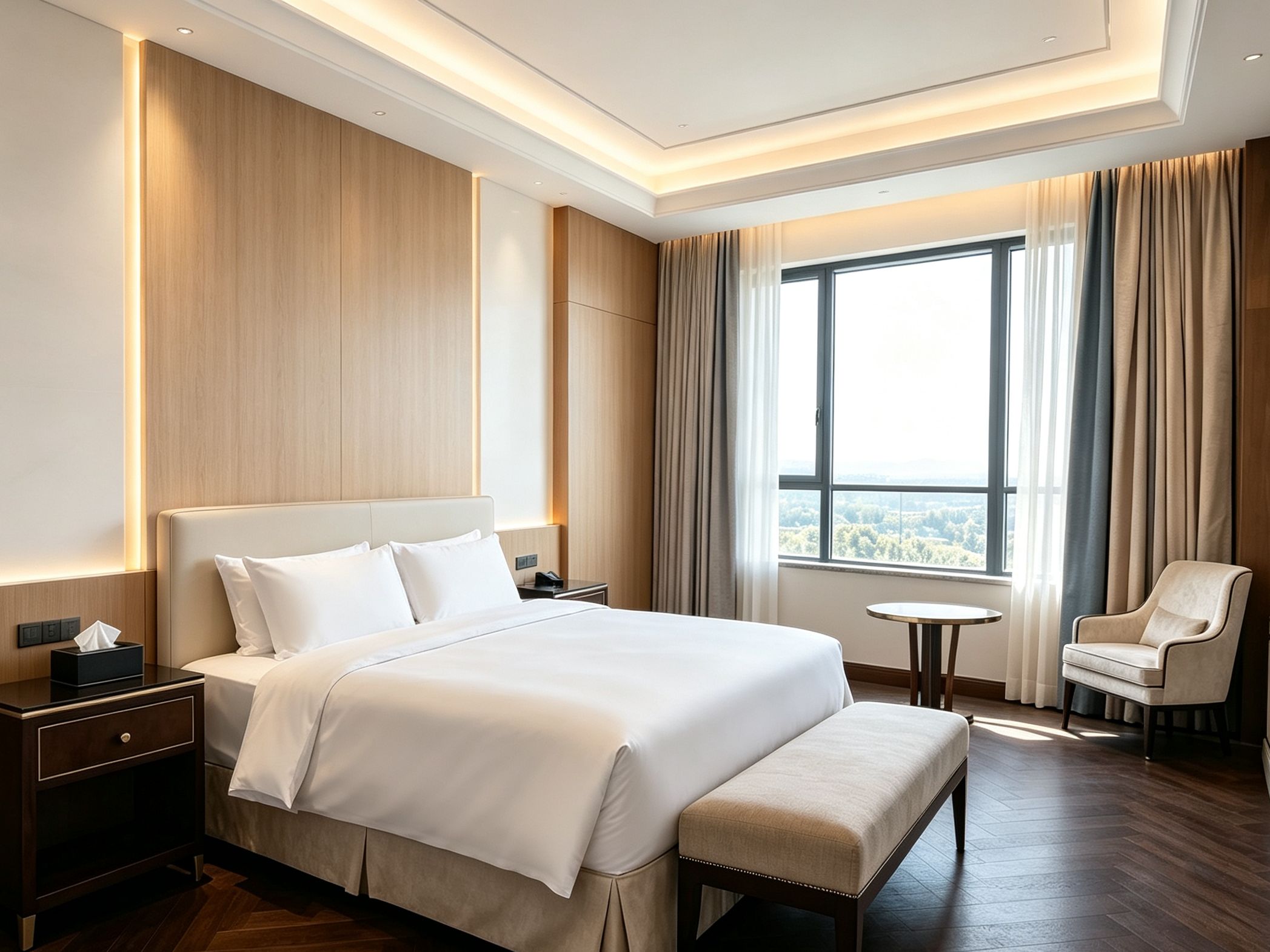
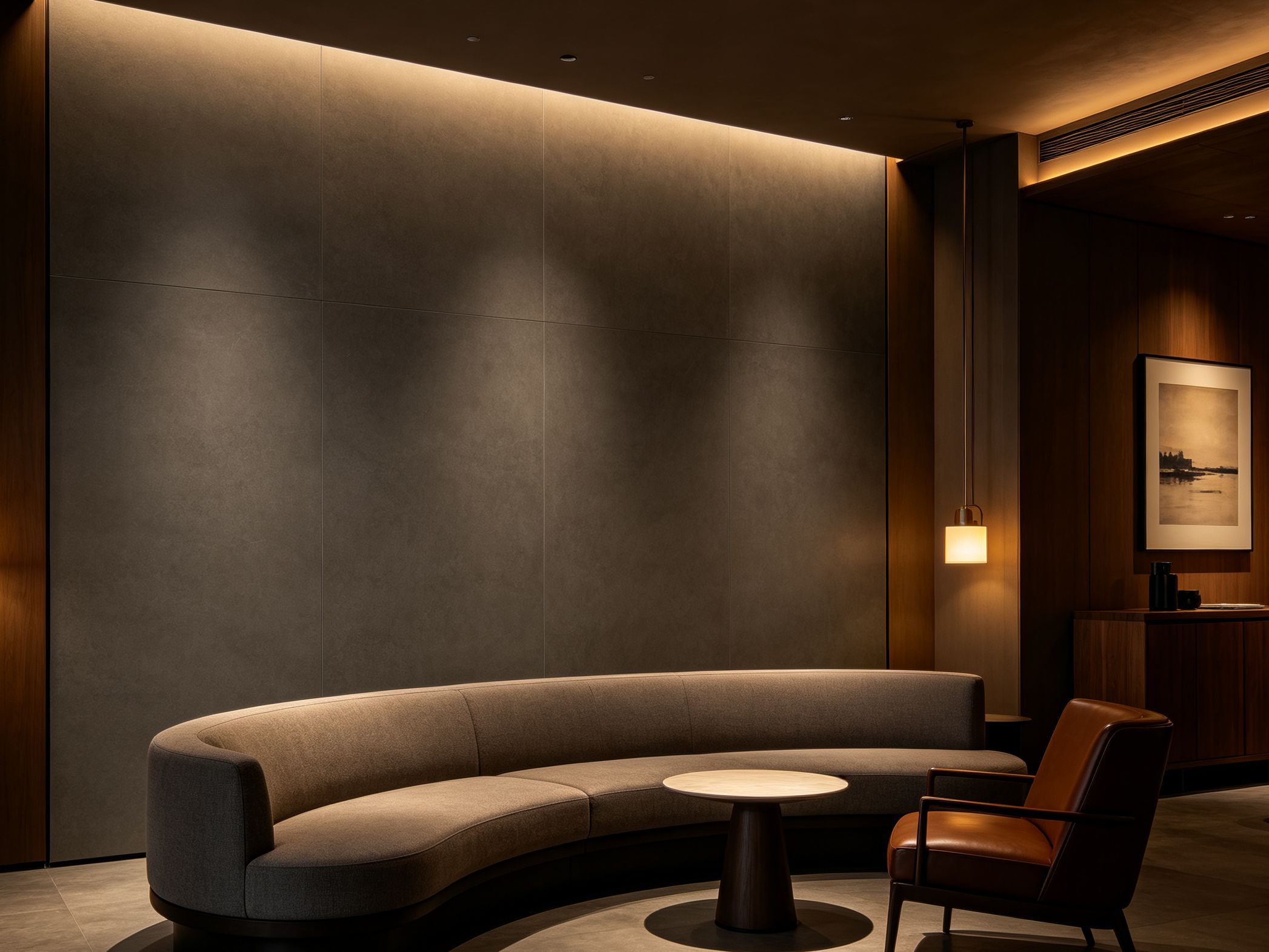
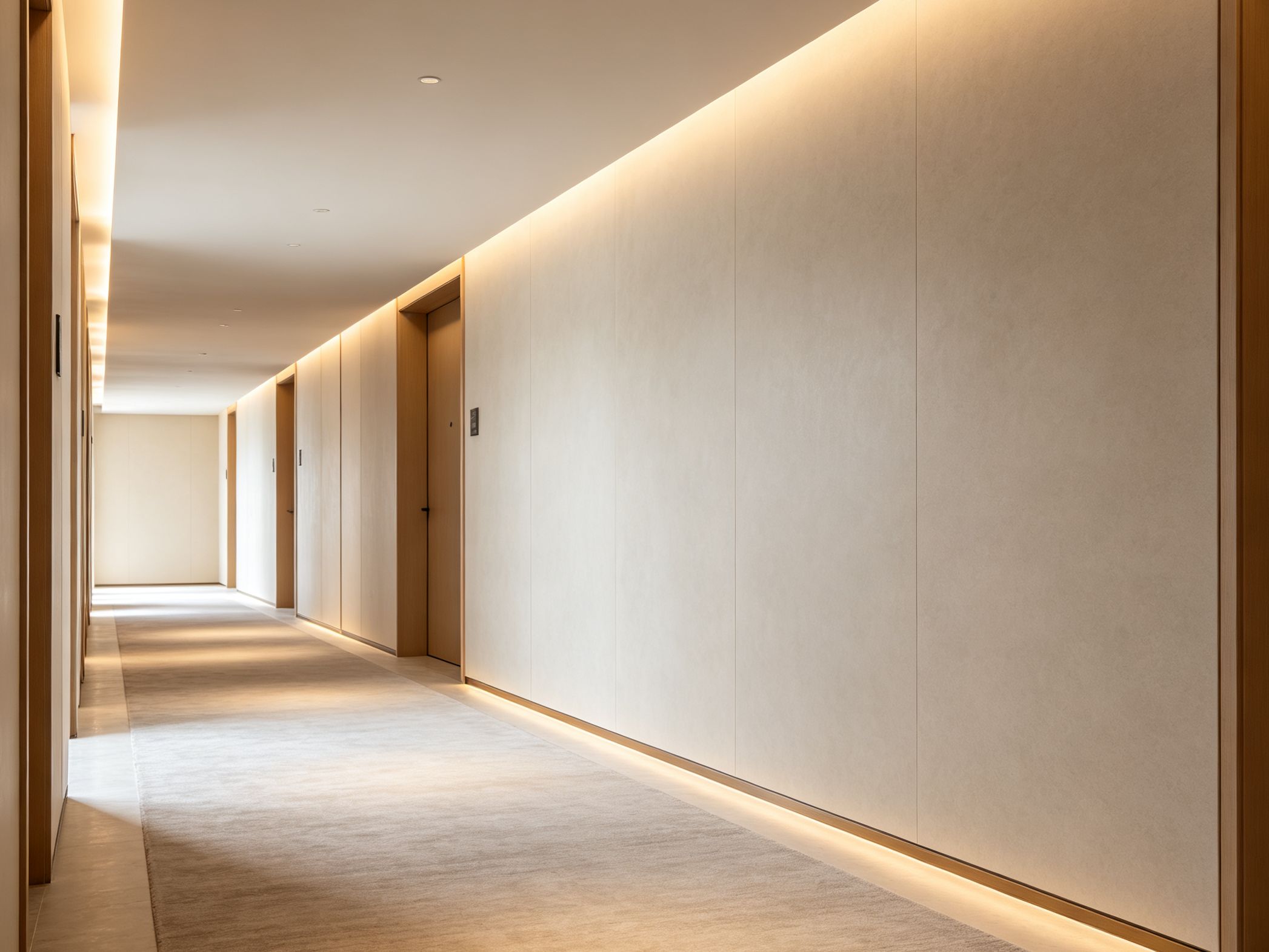
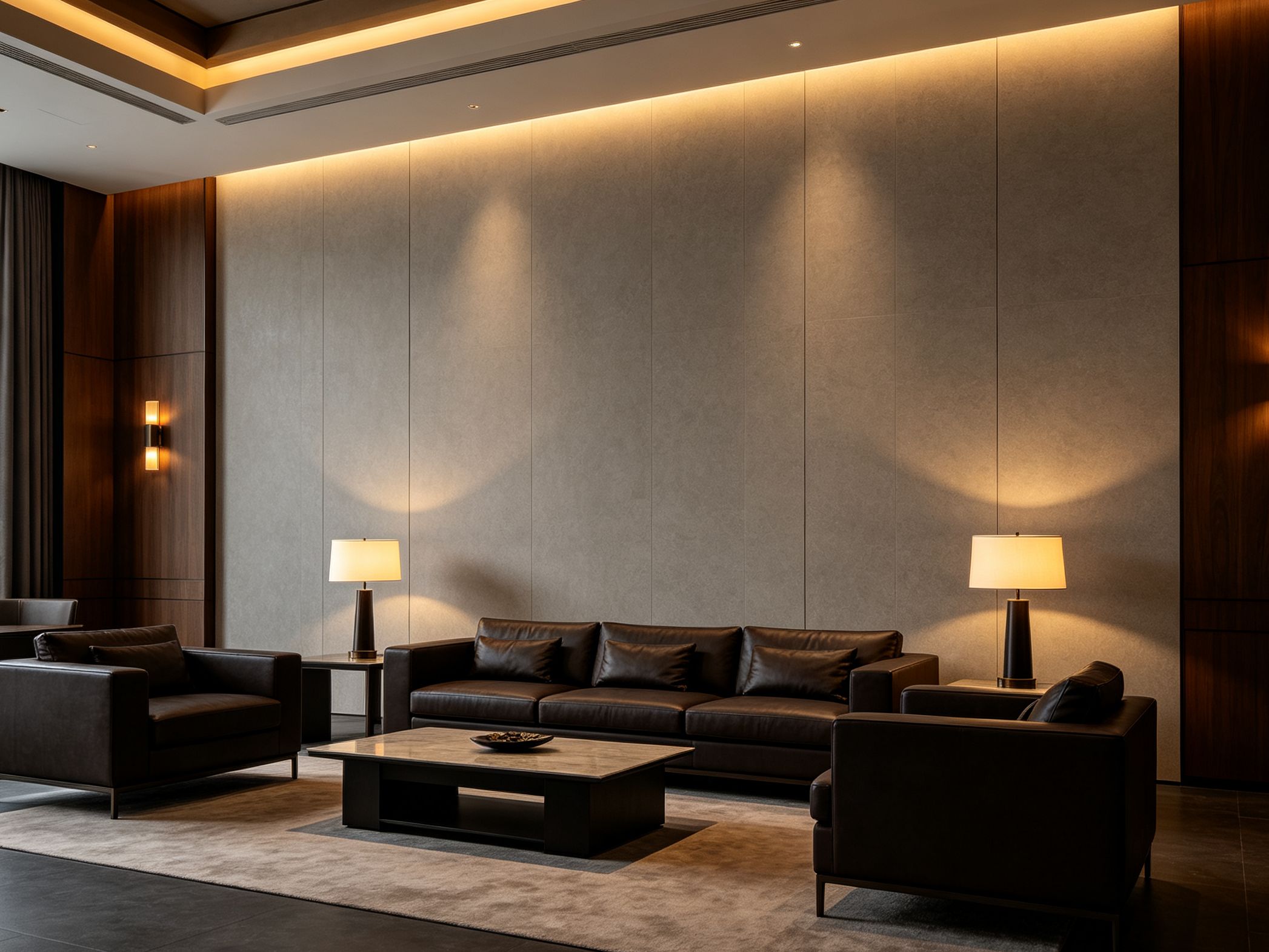
Hotel & Hospitality: Used for wayfinding and ambient mood lighting. The decisive reason is the seamless aesthetics that enhance luxury branding.
-
Office Spaces: Linear lights reduce shadows and glare on screens. The decisive reason is occupant productivity and eye comfort.
-
Shopping Malls: High-traffic environments require fixtures that can withstand vibrations. The core reason for selecting aluminum profiles here is High Impact Resistance and ease of cleaning.
Installation & Practical Considerations (Real-World Logic)
Most professional projects now utilize Dry Construction. This method avoids the mess and drying time of wet plaster, allowing for a cleaner and faster site handover.
-
Modular Systems: Pre-cut profiles with click-in connectors.
-
Clip Systems: Spring-loaded clips that allow the profile to snap into recessed channels in seconds.
-
Master Tip: Always ensure your profiles are installed with proper end-caps to prevent light leakage and dust ingress.
How to Choose: Quality Indicators for Buyers
As a factory expert, I advise buyers to look at these three indicators:
-
Aluminum Thickness: Avoid profiles thinner than 1.2mm for commercial use; they will bend and cause the light to look "wavy."
-
Anodizing Grade: For South African coastal projects, a high-micron anodized finish is essential to prevent corrosion from salty air.
-
Heat Dissipation Surface: Look for fins or a larger surface area on the back of the profile to ensure the longevity of the LED strip.
Common Misunderstandings & Pitfalls to Avoid
The biggest industry pitfall is the "Low-Price Trap." Cheap linear lights often use low-purity recycled aluminum and thin plastic diffusers. Within six months, the diffusers will yellow, and the aluminum will trap heat, causing the LEDs to dim or flicker. Investing in virgin aluminum profiles ensures the color temperature remains consistent for years.
Maintenance & Longevity Analysis
LED Linear Lights are designed for a 50,000+ hour lifespan. Daily maintenance is minimal—simply wipe the diffuser with a lint-free cloth. Because the aluminum housing protects the internal electronics from dust and insects, the long-term ROI is significantly higher than any other lighting category currently on the market.
FAQ
-
Is it fireproof? Yes, high-grade aluminum is non-combustible and does not contribute to fire spread, making it ideal for safety-regulated buildings.
-
Can they be customized to specific lengths? Absolutely. Aluminum profiles can be cut to any millimeter-precise length to fit specific room dimensions.
-
Do they require special drivers? Yes, they typically operate on 12V or 24V DC, requiring a high-quality transformer hidden in the ceiling or a dedicated cabinet.
CTA Section
Strategic project planning requires expert knowledge. Contact our team for Technical Samples, Installation Guides, and Wholesale Quotes.
-
Official Website: www.mrsalufactory.com
-
WhatsApp: +86 18923111901
-
Email: mrsaluwinnie@gmail.com
What is Carbon Crystal Board? A Complete Guide for Modern Construction Projects
What is SPC Honeycomb Wall Panel? Complete Guide for Construction