SPC Wall Panels Acoustic & Sound Insulation Guide for Hotels
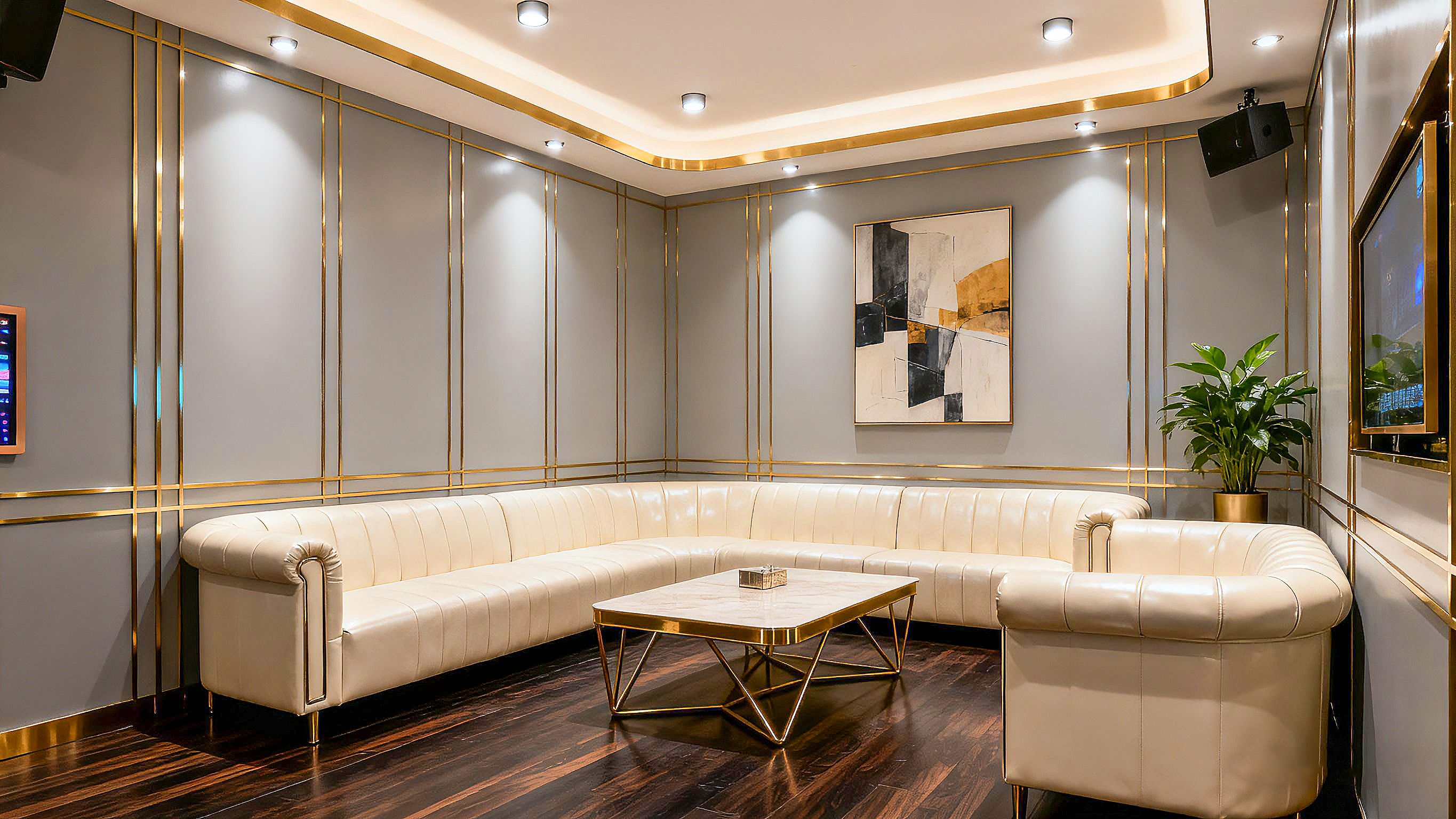
SPC Wall Panels Acoustic & Sound Insulation Guide for Hotels
Noise control is an important part of hotel interior design.
Guests expect comfortable rooms with sufficient privacy, while corridors, meeting rooms, restaurants, and public areas can generate significant background noise.
For contractors and hotel developers, selecting a suitable wall finish is therefore only one part of the acoustic solution.
SPC Wall Panels can contribute to an interior wall system, but their actual sound-insulation performance depends on the complete wall construction, substrate, joints, cavities, and installation method.
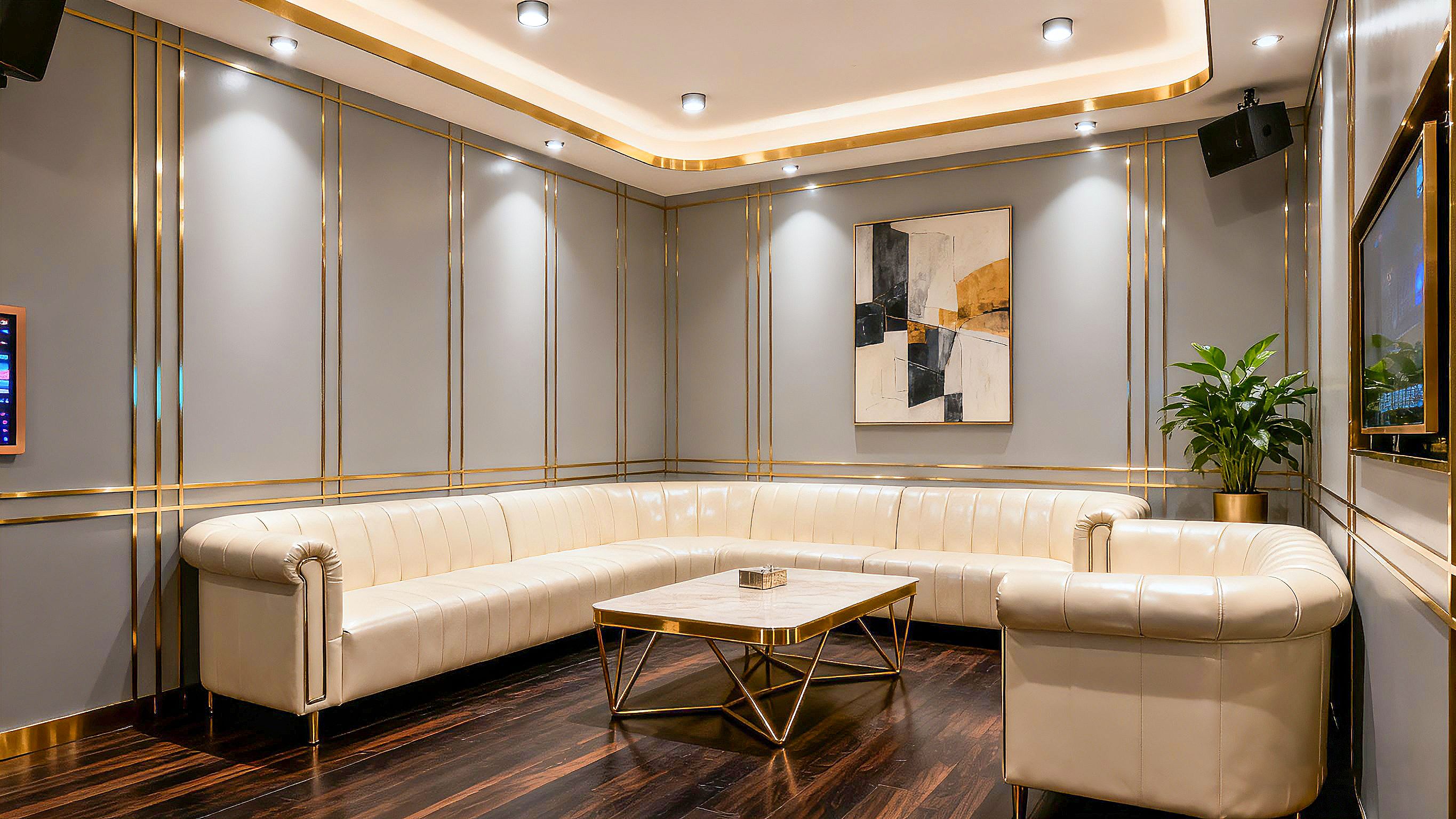
1. Why Acoustic Performance Matters in Hotels
Poor acoustic control can affect guest comfort and hotel reputation.
Common noise sources include:
- Corridor conversations
- Door closing
- Elevator areas
- Mechanical equipment
- Restaurant activity
- Adjacent guest rooms
- Plumbing systems
A suitable wall system can help reduce unwanted sound transmission when properly designed.
2. Do SPC Wall Panels Provide Sound Insulation?
SPC Wall Panels are primarily decorative interior wall products.
Their acoustic performance should not be considered independently from the wall structure behind them.
Sound insulation can be influenced by:
- Panel thickness
- Panel density
- Wall substrate
- Air cavities
- Insulation layers
- Joint treatment
- Door and window openings
- Installation quality
For projects with specific acoustic requirements, buyers should request relevant test data rather than relying on general product descriptions.
3. Understanding STC and Acoustic Performance
STC, or Sound Transmission Class, is commonly used to describe the sound insulation performance of building assemblies.
A higher STC rating generally indicates better resistance to airborne sound transmission.
However, the STC value normally applies to a complete wall assembly rather than simply the decorative panel.
For hotel projects, contractors should therefore evaluate the entire wall construction.
4. Where Acoustic Performance Matters Most
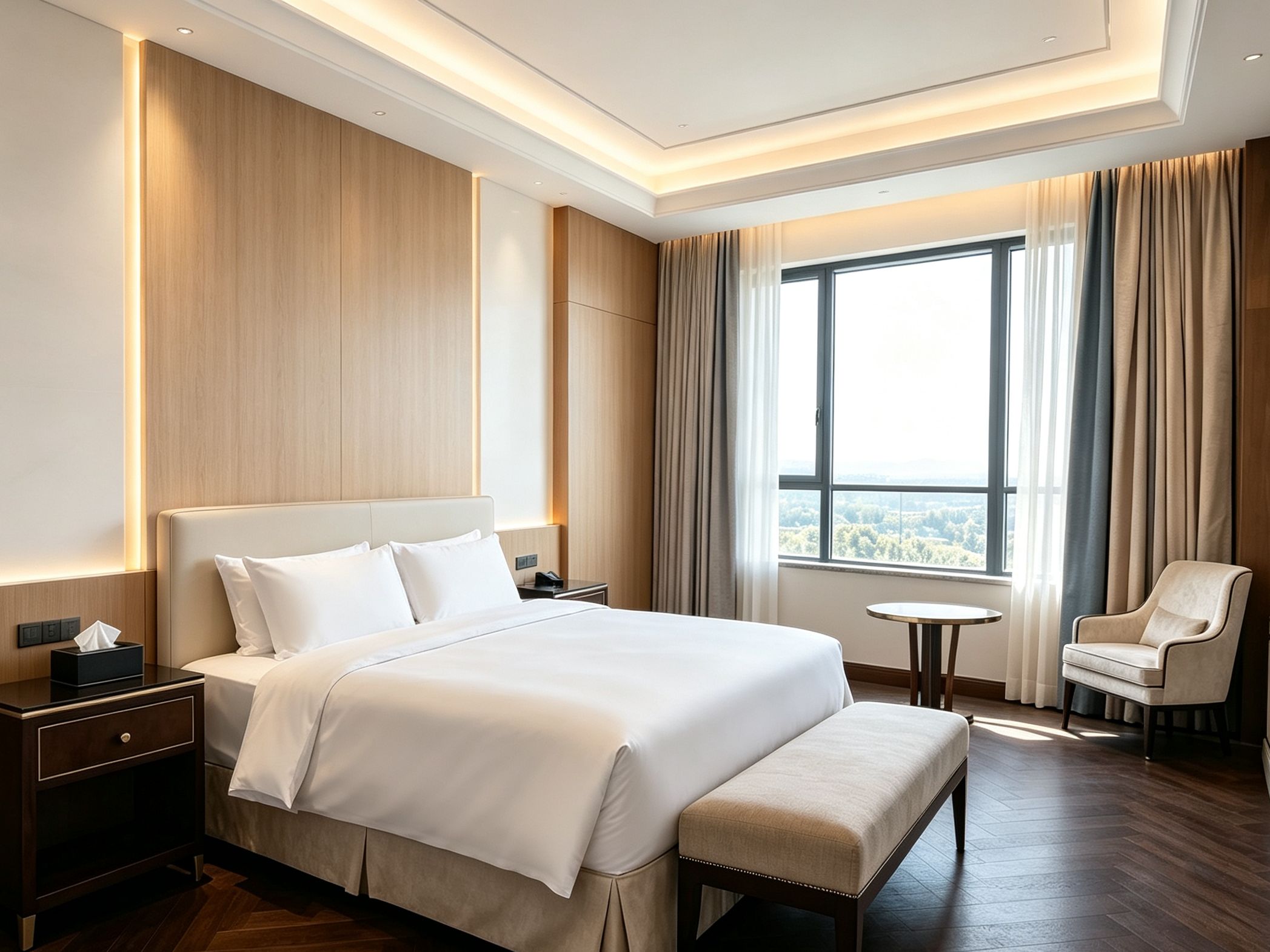
Guest Rooms
Guest rooms are one of the most important areas for noise control.
The wall system should be coordinated with doors, ceilings, floors, and adjacent rooms.
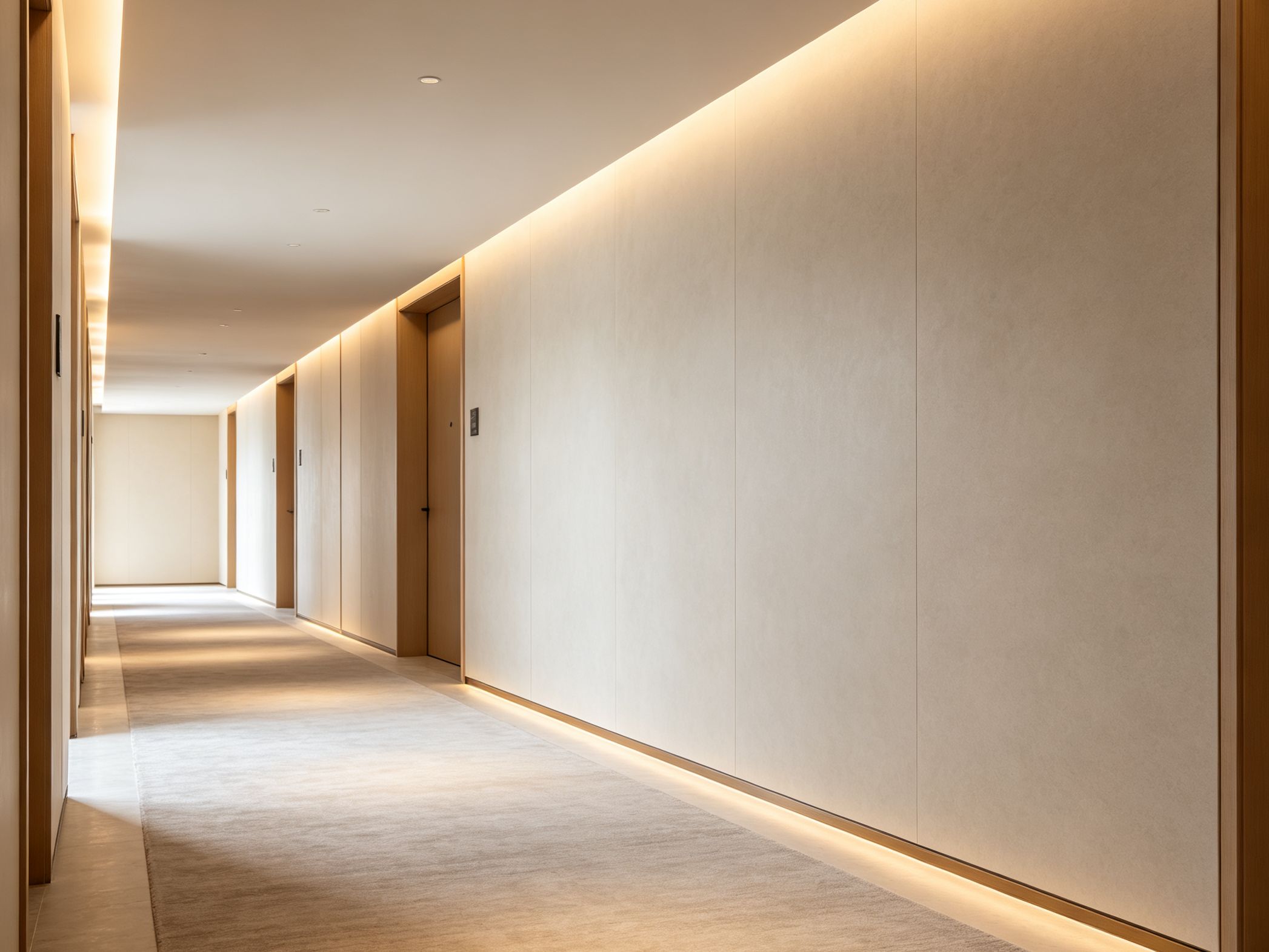
Corridors
Corridors can generate conversations, luggage noise, and door-closing sounds.
A suitable wall construction can help improve the overall acoustic environment.
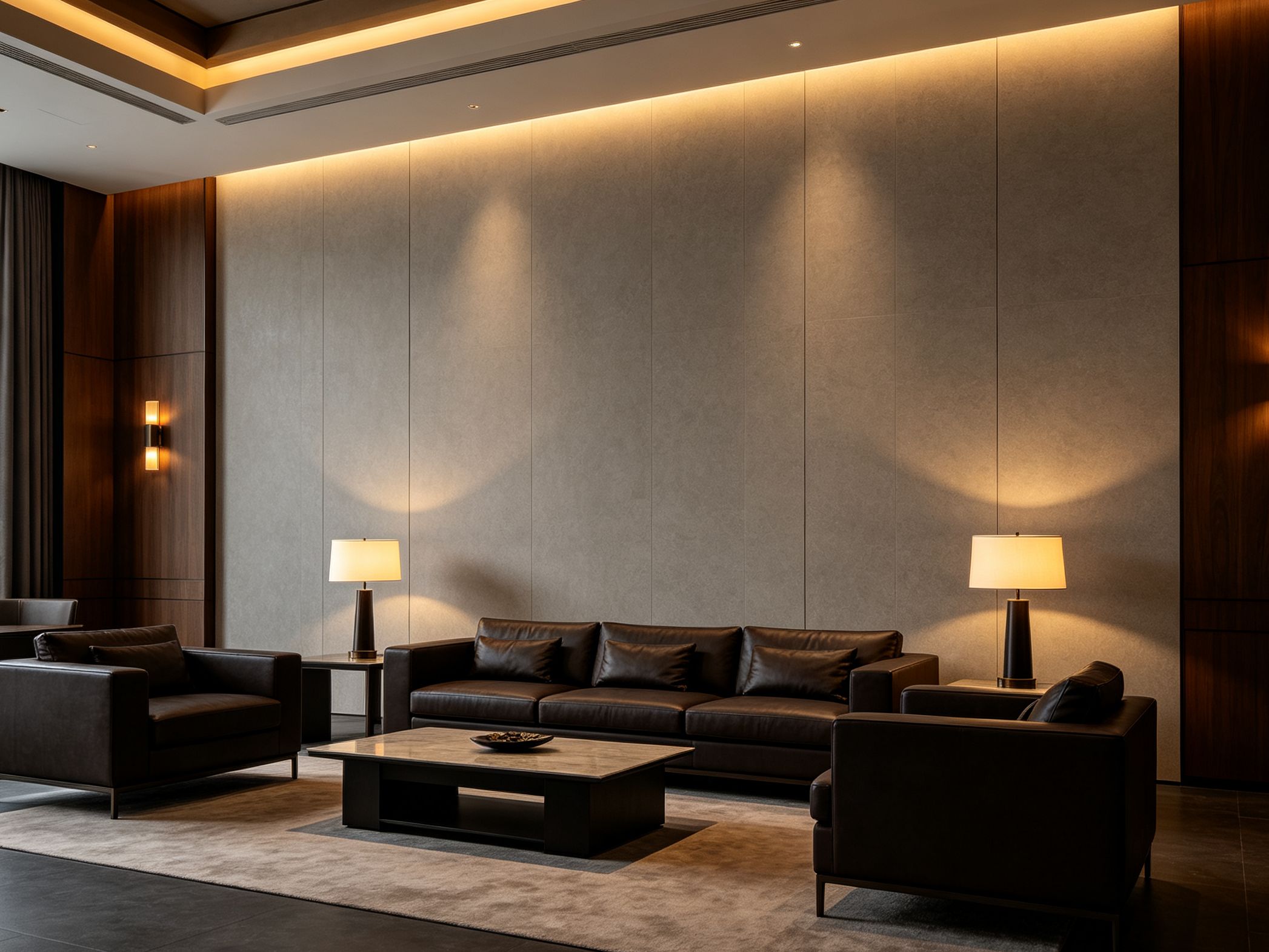
Meeting Rooms
Meeting rooms require privacy and controlled sound transmission.
The wall assembly should be selected according to the project's acoustic requirements.
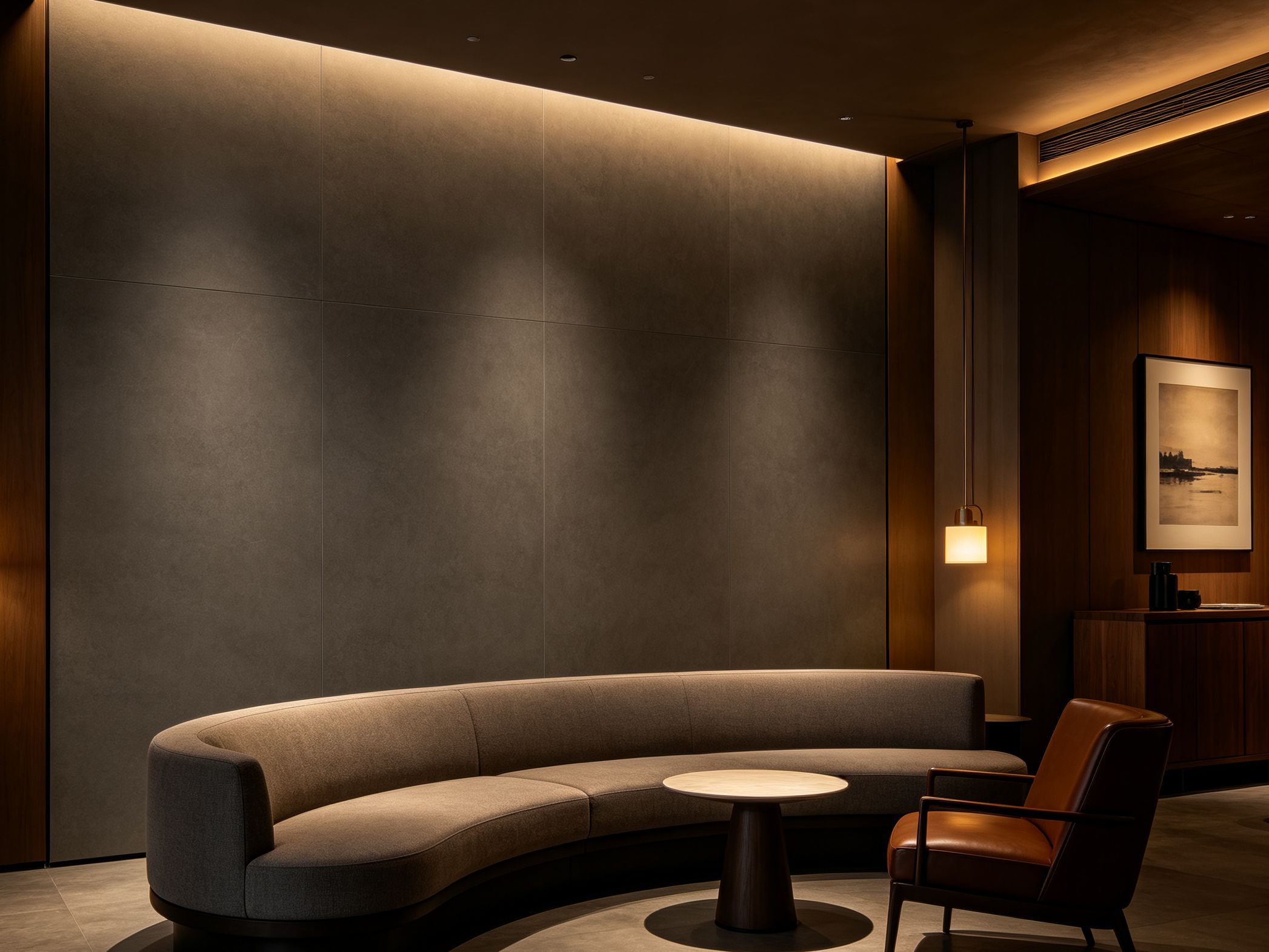
Restaurants
Restaurants can generate high levels of background noise.
Wall finishes can contribute to the overall interior environment, but additional acoustic treatment may be required.
5. Factors That Affect Acoustic Performance
Wall Structure
A lightweight decorative panel alone cannot replace a properly designed acoustic wall assembly.
Panel Installation
Gaps and poorly finished joints can reduce the effectiveness of the complete system.
Doors and Openings
Even a well-designed wall can have poor acoustic performance if doors and penetrations are not properly coordinated.
Ceiling and Floor Connections
Sound can travel through adjacent building components.
Acoustic design should therefore consider the complete room boundary.
6. SPC Wall Panels vs Common Wall Finishes
| Factor | SPC Wall Panels | Painted Gypsum Board | PVC Wall Panels | Ceramic Tiles |
|---|---|---|---|---|
| Main Function | Decorative wall finish | Wall construction / finish | Decorative wall finish | Decorative wall finish |
| Acoustic Performance | Assembly dependent | Assembly dependent | Assembly dependent | Assembly dependent |
| Surface Maintenance | Easy | Medium | Easy | Easy |
| Design Options | High | Medium | High | High |
| Installation | Fast | Moderate | Fast | More labor intensive |
The table provides a general comparison. Actual acoustic performance depends on the complete wall assembly and product specifications.
7. How to Improve Hotel Acoustic Performance
For projects where sound control is important, contractors should consider:
- Select an appropriate wall assembly.
- Confirm the required acoustic rating.
- Coordinate panel joints and corners carefully.
- Minimize unnecessary gaps and openings.
- Coordinate doors and service penetrations.
- Consider insulation within the wall cavity where required.
- Request test reports for specified assemblies.
This approach is more reliable than selecting a wall panel based on thickness alone.
8. What Buyers Should Ask Suppliers
Before ordering SPC Wall Panels for an acoustically sensitive hotel project, request:
- Product technical datasheet
- Panel thickness
- Panel weight
- Installation method
- Recommended substrate
- Available acoustic test information
- Application recommendations
- Sample panels
If the project specifies a particular STC requirement, confirm that the complete wall assembly can meet the required performance.
Final Recommendation
SPC Wall Panels can be part of a modern hotel interior wall solution, but they should not be treated as a standalone acoustic barrier.
For guest rooms, meeting rooms, corridors, and other noise-sensitive areas, contractors should evaluate the complete wall assembly, including the substrate, insulation, joints, doors, ceilings, and installation details.
A project-specific acoustic specification is the safest way to achieve predictable performance.
Need SPC Wall Panels for Hotel Projects?
Our factory provides:
- Factory-direct SPC Wall Panels
- OEM customization
- Multiple thickness options
- Decorative surface finishes
- Product samples
- Technical datasheets
- Bulk project supply
Official Website: www.mrsalufactory.com
WhatsApp: +86 18125732529
Email: wuyuqin2025@gmail.com
SPC Wall Panels for Hotel Restaurants: Design & Selection Guide
SPC Wall Panels Environmental Performance & Sustainability Guide