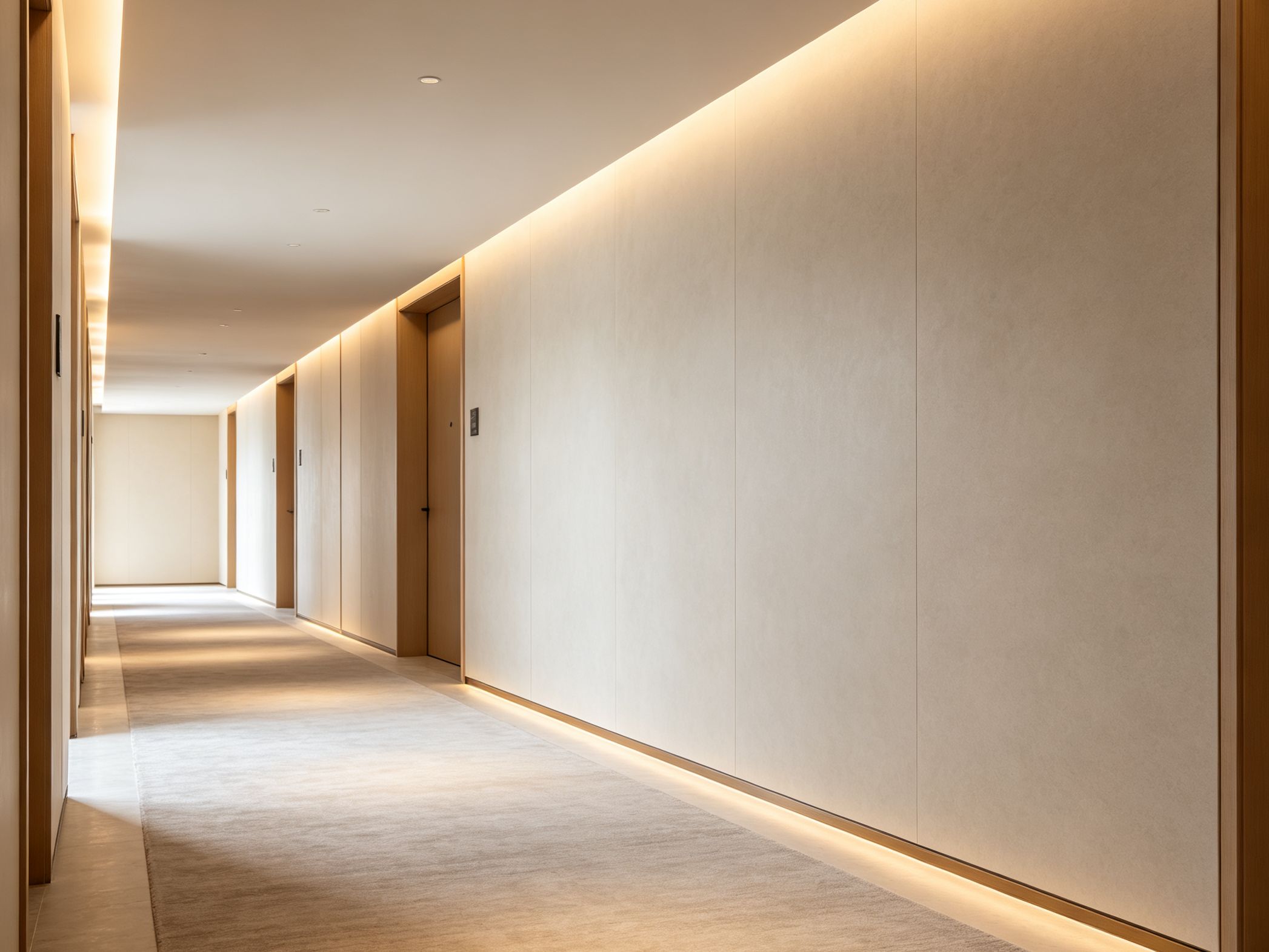
SPC Wall Panels Fire Rating & Fire Safety Guide
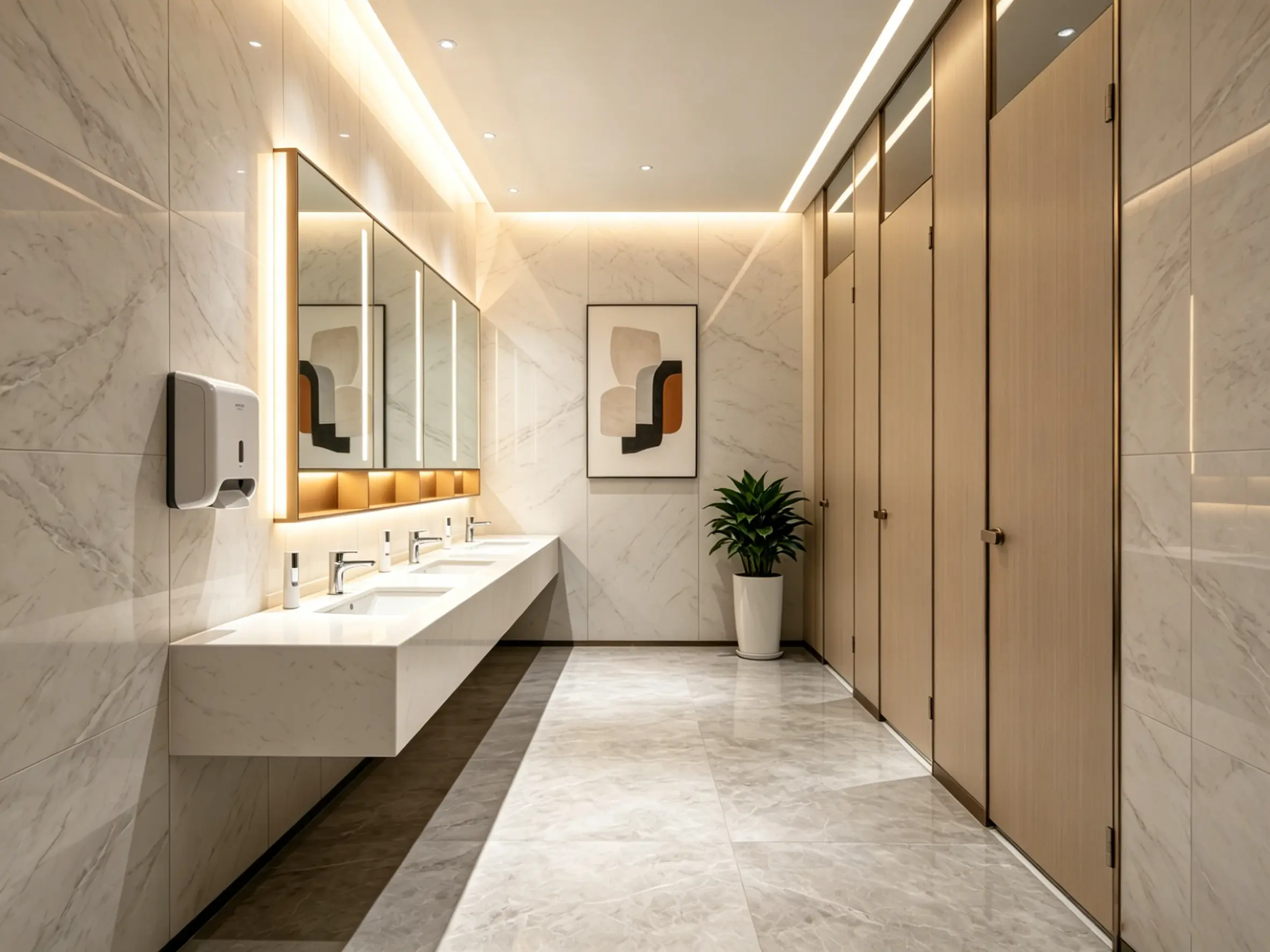
SPC Wall Panels Fire Rating & Fire Safety Guide
Fire safety is one of the most important considerations when selecting interior wall materials for hotels, offices, hospitals, and other commercial buildings.
For contractors and project managers, choosing SPC Wall Panels should involve more than checking appearance and price. Fire performance, testing requirements, panel construction, and local project regulations should also be evaluated.
Different SPC Wall Panel products can have different fire-performance characteristics. Therefore, buyers should always verify the actual specification and test documentation for the selected product.
1. What Does Fire Rating Mean?
A fire rating indicates how a building material performs when exposed to fire under a specified testing method.
Depending on the applicable standard, evaluation may consider factors such as:
- Flame spread
- Smoke development
- Heat release
- Ignition behavior
- Combustibility
The exact classification depends on the testing standard used.
Therefore, buyers should not assume that terms such as “fire-resistant” or “fire-retardant” automatically represent the same performance level.
2. Why Fire Performance Matters for Hotels
Hotels contain many areas with high occupancy and continuous daily use.
Wall materials may be installed in:
- Guest rooms
- Corridors
- Lobbies
- Restaurants
- Meeting rooms
- Service areas
For these applications, fire performance should be considered together with:
- Building regulations
- Project specifications
- Interior design requirements
- Installation system
- Other wall-system components
A suitable product should meet the requirements established for the specific project.
3. What Should Buyers Check?
Before purchasing SPC Wall Panels, contractors should request technical documentation from the supplier.
Important documents may include:
Product Specification Sheet
This should identify:
- Panel construction
- Thickness
- Dimensions
- Surface finish
- Applicable performance data
Fire Test Report
Check:
- Testing standard
- Test date
- Tested product
- Product thickness
- Test result
- Laboratory information
The tested product should correspond to the product being supplied.
Certification Documents
Where applicable, buyers should verify relevant certifications required by the project or local authorities.
Fire Performance Comparison
| Material | Fire Performance Consideration | Typical Application |
|---|---|---|
| SPC Wall Panels | Product-specific; verify test data | Commercial interiors |
| Painted Gypsum Board | Depends on board type and wall assembly | Offices, hotels |
| Ceramic Tiles | Generally non-combustible surface | Wet areas, public spaces |
| PVC Wall Panels | Product-specific; verify classification | Interior applications |
The table is a general comparison only. Actual performance depends on product composition, thickness, installation system, and applicable testing standard.
4. Does Thickness Affect Fire Performance?
Thickness can influence the overall behavior of a wall panel, but thickness alone should not be used to determine fire classification.
For example, a thicker panel is not automatically equivalent to a higher fire rating.
Professional buyers should evaluate:
- Material composition
- Panel structure
- Thickness
- Surface treatment
- Complete wall assembly
- Test documentation
The correct specification should be selected according to the project requirement rather than thickness alone.
5. Fire Safety for Philippine Projects
For projects in the Philippines, contractors should confirm applicable local building and fire-safety requirements before final material selection.
Hotels and other commercial buildings may have specific requirements depending on:
- Building type
- Occupancy
- Installation location
- Exit routes
- Interior finish specifications
When a project requires a particular fire classification, the supplier should provide documentation that corresponds to the required standard.
Common Fire-Safety Purchasing Mistakes
1. Choosing Products Based Only on Marketing Claims
Terms such as “fire-resistant” should be supported by technical documentation.
2. Using a Test Report for a Different Product
The test report should correspond to the actual product configuration being purchased.
3. Ignoring Installation Components
The performance of a wall system can depend on more than the panel itself.
Adhesives, substrates, frames, trims, and other components may affect the final system.
4. Waiting Until After Purchase to Check Requirements
Fire-performance requirements should be confirmed before production and installation.
How to Select SPC Wall Panels for Hotels
For hotel projects, buyers should follow a simple process:
Project Requirement → Required Fire Performance → Product Specification → Test Documentation → Sample Approval → Bulk Production
This approach helps reduce compliance risks and prevents expensive material replacement later.
For large projects, contractors should also maintain records of the approved product specification and test documents.
Final Recommendation
SPC Wall Panels can be a practical interior wall solution for commercial projects, but fire performance must always be evaluated according to the actual product and applicable project requirements.
For Philippines contractors and distributors, the safest purchasing approach is to confirm the required fire classification first, then select a matching product with appropriate technical documentation.
Never rely on a generic fire-performance claim when a project requires a specific tested classification.
Need SPC Wall Panels Technical Documents?
Our factory can provide product information, technical specifications, samples, and project support for contractors and distributors.
Official Website: www.mrsalufactory.com
WhatsApp: +86 18125732529
Email: wuyuqin2025@gmail.com
SPC Wall Panels Waterproof & Moisture Resistance Guide
SPC Wall Panels vs Traditional Wall Finishes: Cost & Performance Analysis