SPC Wall Panels Impact Resistance & High-Traffic Durability Guide
SPC Wall Panels Impact Resistance & High-Traffic Durability Guide
Hotel and commercial walls are exposed to much more physical contact than residential interiors.
Luggage carts, cleaning equipment, furniture, doors, trolleys, and daily human activity can all create impact risks.
For contractors and distributors, choosing SPC Wall Panels for high-traffic areas requires more than comparing colors and prices.
The right product should be evaluated according to its panel structure, surface finish, thickness, installation method, and expected level of use.
1. Why Impact Resistance Matters
Wall damage in commercial buildings can create additional maintenance costs.
Common problems include:
- Scratches
- Surface marks
- Edge damage
- Dents
- Cracked decorative layers
- Damaged corners
In a hotel, even small areas of visible damage can affect the appearance of guest-facing spaces.
A durable wall system can therefore help reduce maintenance interruptions and replacement requirements.
2. What Determines Impact Resistance?
Impact performance depends on several factors.
Panel Structure
The internal structure of the panel influences how it responds to physical force.
A suitable composite structure can provide a balance between rigidity, weight, and practical durability.
Panel Thickness
Thickness can influence structural behavior, but thicker does not automatically mean better impact resistance.
Buyers should evaluate thickness together with:
- Core composition
- Surface layer
- Panel density
- Installation method
Surface Finish
The decorative surface must also withstand normal daily contact.
For commercial projects, buyers should check samples for:
- Scratch resistance
- Surface hardness
- Color stability
- Cleaning compatibility
3. High-Traffic Hotel Areas
Not every hotel area has the same durability requirements.
Hotel Corridors
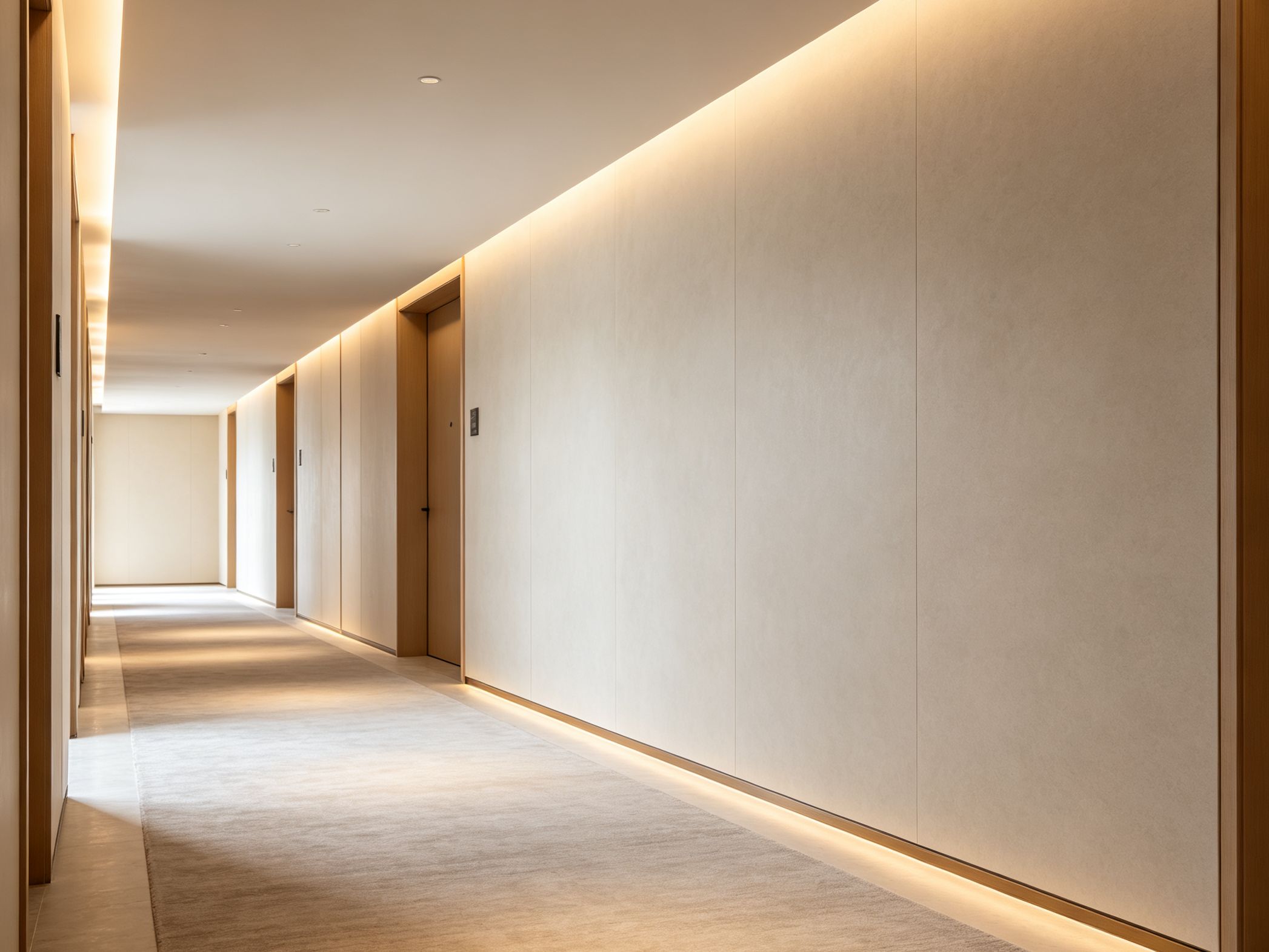
Corridors are frequently exposed to luggage carts, housekeeping equipment, and continuous pedestrian traffic.
A durable wall finish can help reduce visible wear.
Elevator Areas
Elevator lobbies experience frequent contact with luggage, carts, and furniture.
Corner protection and appropriate installation details can be particularly important.
Service Areas
Back-of-house areas may experience contact with equipment, carts, and maintenance activities.
The product specification should match the expected working environment.
Lobby Areas
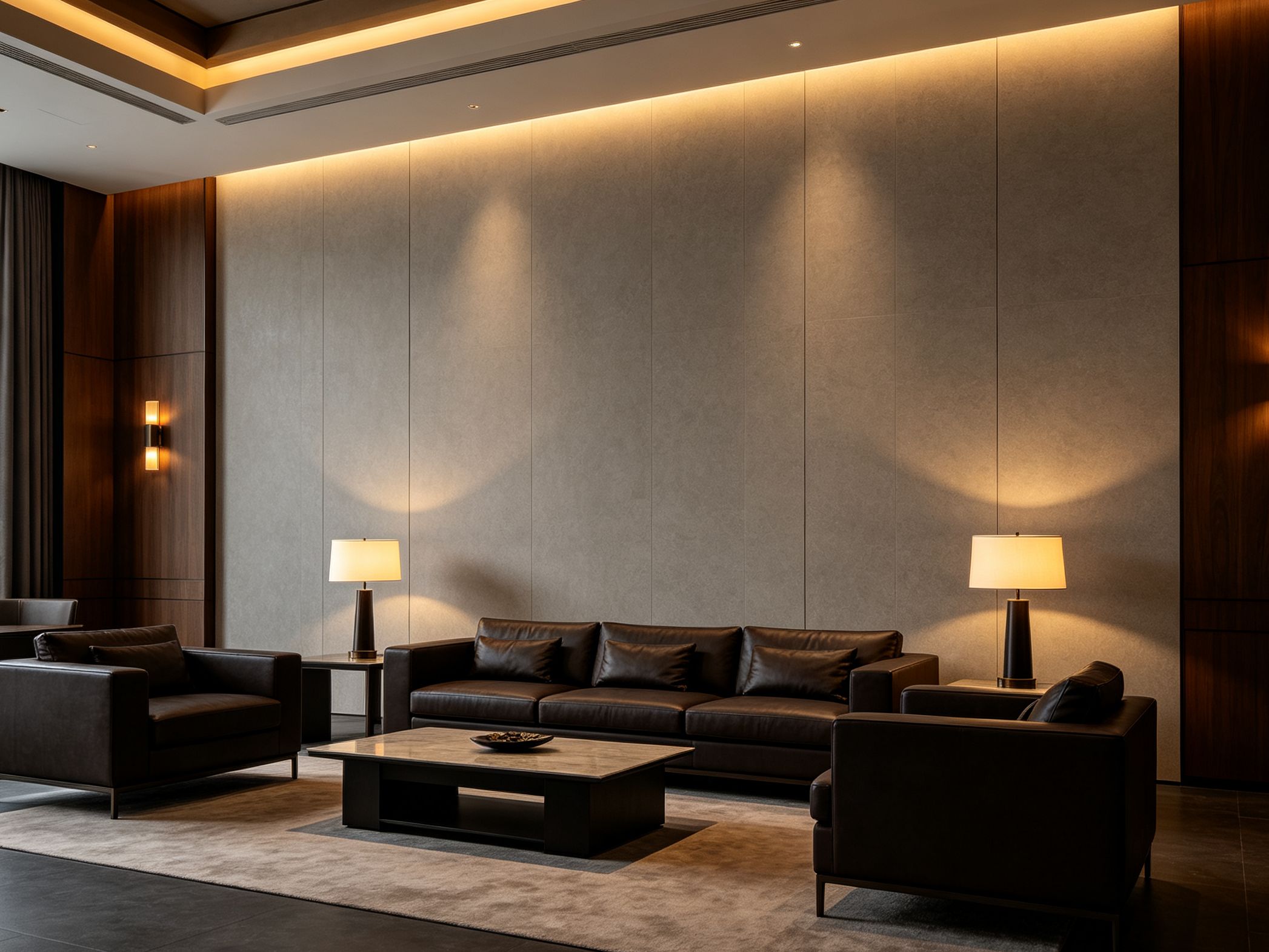
Lobbies combine high traffic with strong aesthetic requirements.
Buyers should consider both decorative quality and durability.
4. SPC Wall Panels vs Traditional Wall Materials
| Feature | SPC Wall Panels | Painted Gypsum Board | PVC Wall Panels | Ceramic Tiles |
|---|---|---|---|---|
| Surface Durability | Product-specific | Medium | Product-specific | High |
| Impact Performance | Product-specific | Lower | Product-specific | Hard but can crack |
| Moisture Resistance | High | Lower | High | High |
| Maintenance | Low | Medium–High | Low | Medium |
| Installation Speed | Fast | Medium | Fast | Slower |
This comparison is general. Actual impact performance should be confirmed through product specifications and applicable testing.
5. How to Select Panels for High-Traffic Areas
Contractors should consider the actual application before choosing a specification.
Standard Traffic
Suitable for:
- Guest rooms
- Low-traffic offices
- General interior walls
Medium Traffic
Suitable for:
- Hotel corridors
- Commercial offices
- Retail interiors
High Traffic
Suitable for areas such as:
- Elevator lobbies
- Shopping areas
- Hospitals
- Transport facilities
- Busy hotel corridors
For demanding applications, buyers should request samples and technical information before final selection.
6. Installation Also Affects Durability
Impact resistance is not determined by the panel alone.
Poor installation can create weak points around:
- Corners
- Joints
- Edges
- Openings
- Fixtures
A correctly installed panel distributes everyday loads more effectively and maintains better overall stability.
Contractors should therefore follow the manufacturer's installation requirements and use compatible accessories.
7. How to Reduce Damage in Hotel Projects
A practical durability strategy can include:
- Select a specification based on traffic level.
- Use suitable corner and edge details.
- Protect panels during construction.
- Train installation workers.
- Inspect completed areas before handover.
- Keep replacement panels for future repairs.
This approach can reduce unnecessary maintenance costs over the life of the project.
Common Selection Mistakes
Choosing Only by Appearance
A beautiful surface does not automatically mean the product is suitable for high-traffic applications.
Assuming All SPC Panels Have the Same Durability
Different manufacturers and product specifications can have different performance characteristics.
Ignoring Corners
Corners are often more vulnerable to physical impact than flat wall surfaces.
Skipping Sample Testing
A physical sample can help contractors evaluate the actual surface appearance and handling characteristics before ordering large quantities.
Final Recommendation
For hotels and commercial buildings, SPC Wall Panels can provide a practical combination of decorative flexibility, easy maintenance, moisture resistance, and project-friendly installation.
When high impact resistance is required, buyers should select the product according to the actual traffic level and verify the relevant technical information.
The best long-term result comes from combining the right panel specification with proper installation and suitable protection at vulnerable areas.
Need Durable SPC Wall Panels for High-Traffic Projects?
Our factory provides:
- Factory-direct SPC Wall Panels
- OEM customization
- Multiple surface finishes
- Product samples
- Technical specifications
- Bulk project supply
- Project support
Official Website: www.mrsalufactory.com
WhatsApp: +86 18125732529
Email: wuyuqin2025@gmail.com
SPC Wall Panels Fire Rating Guide for Philippines Hotels
SPC Wall Panels Lifespan & Long-Term Durability Guide