Waterproof Wall Panels for Commercial Buildings: Complete Guide
Waterproof Wall Panels for Commercial Buildings: Why Material Choice Matters
Commercial buildings require wall materials that can maintain performance under daily use and challenging environmental conditions.
In tropical markets such as the Philippines, high humidity, frequent cleaning, and temperature changes can affect traditional interior wall materials.
Common problems include:
- Moisture damage
- Surface deterioration
- Mold risk
- Frequent maintenance
- Higher repair costs
For this reason, waterproof wall systems have become increasingly important for hotels, offices, hospitals, schools, and other commercial applications.
SPC Wall Panels provide a modern solution by combining waterproof performance, decorative appearance, and efficient installation.
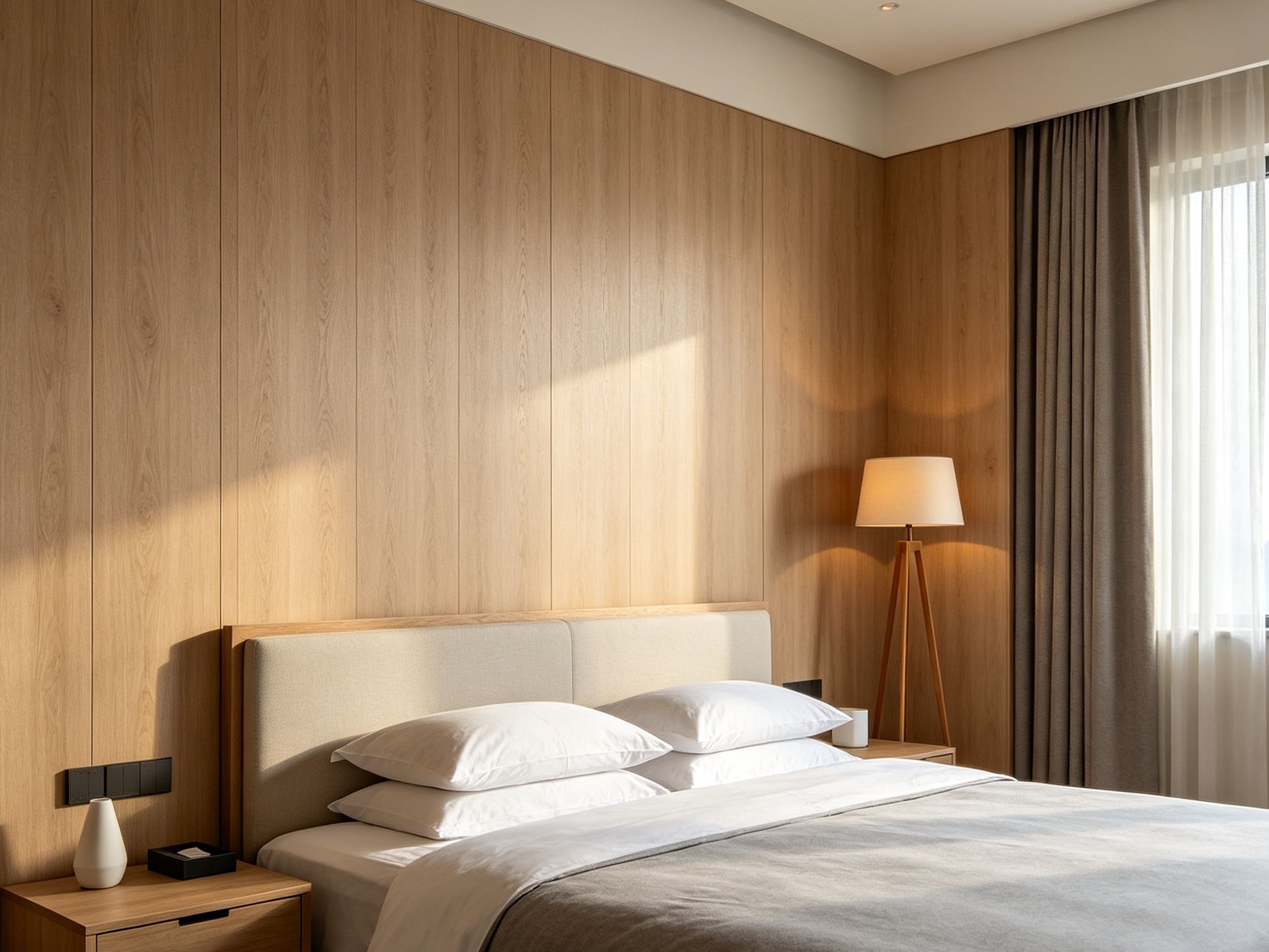
What Are Waterproof SPC Wall Panels?
SPC Wall Panels are engineered interior wall panels made from a stone plastic composite structure.
Unlike traditional wall finishes that rely on surface coatings alone, SPC panels use a moisture-resistant composite core.
Their structure typically includes:
- Decorative surface layer
- Protective wear layer
- SPC composite core
- Back support layer
This multi-layer construction helps improve:
- Water resistance
- Dimensional stability
- Surface durability
- Long-term performance
Why Waterproof Performance Matters in the Philippines
The Philippines has a tropical climate with:
- High humidity
- Seasonal rainfall
- Coastal environments
- Frequent indoor cleaning requirements
For commercial projects, moisture-resistant materials help reduce operational problems.
Applications that benefit from waterproof wall panels include:
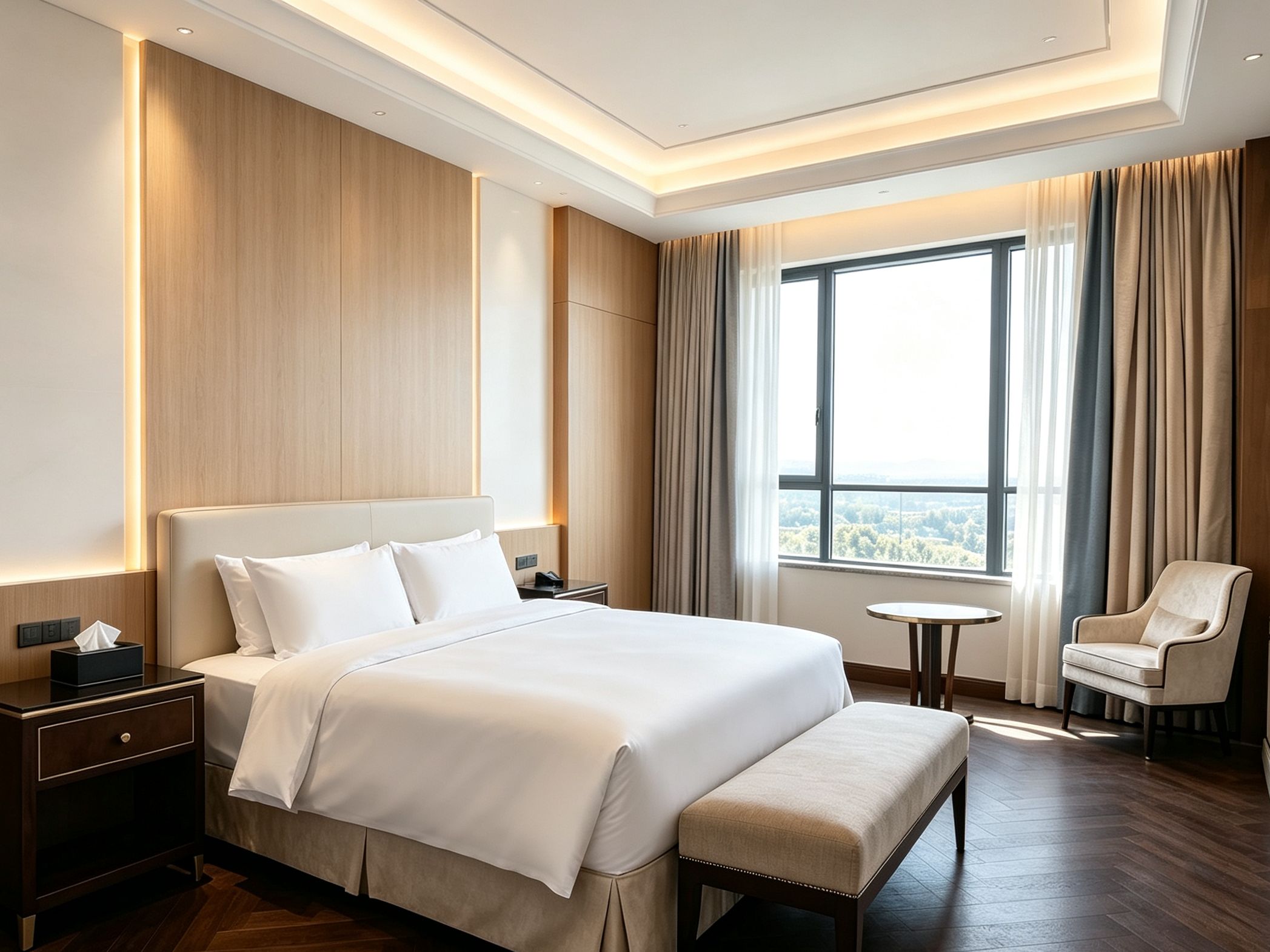
Hotels
Hotels require walls that can maintain premium appearance while handling:
- Daily guest activities
- Regular cleaning
- Humid rooms and corridors
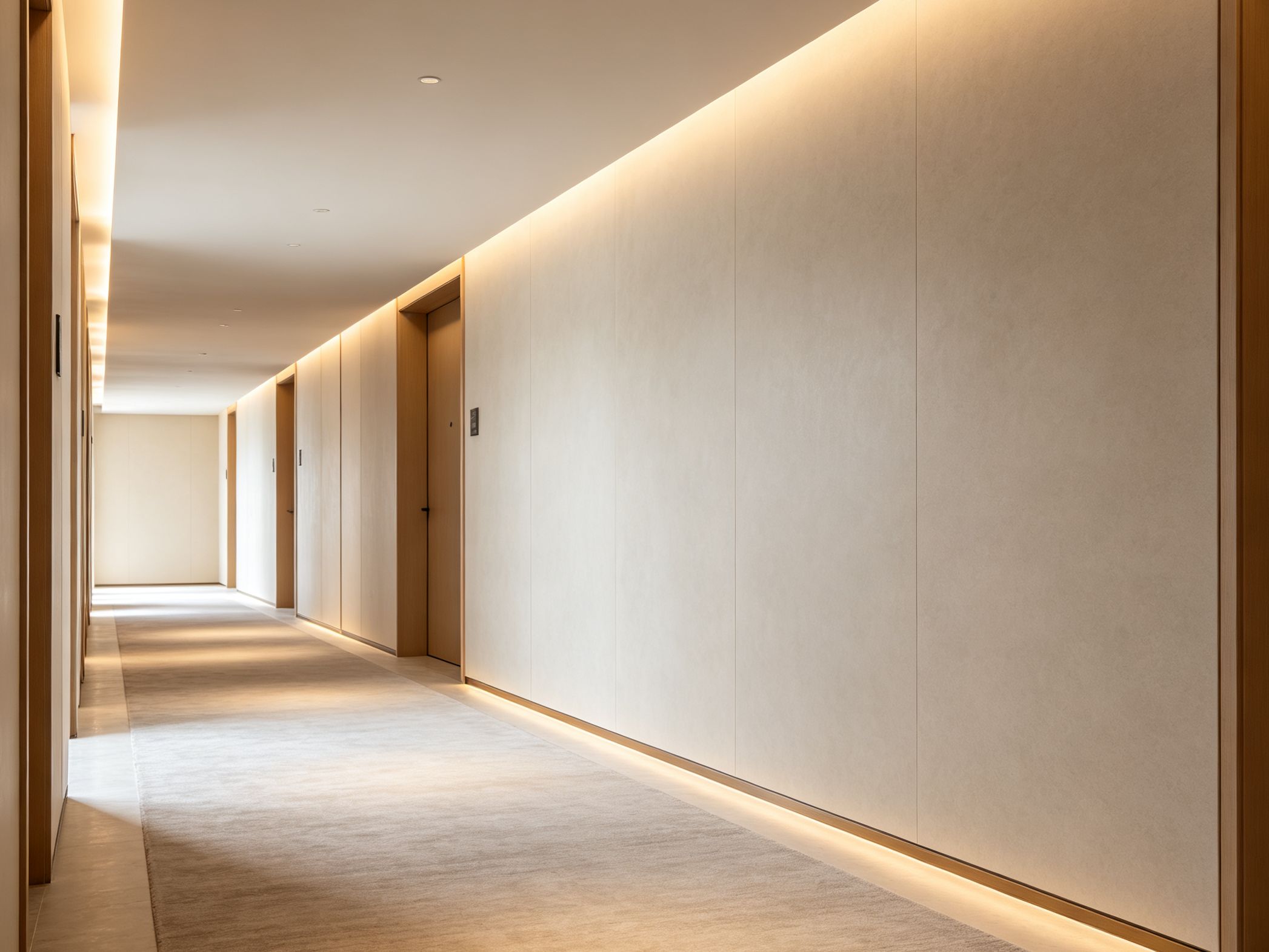
SPC Wall Panels are suitable for:
- Guest rooms
- Bathrooms
- Hallways
- Reception areas
Offices
Office buildings need materials that provide:
- Professional appearance
- Easy maintenance
- Long service life
Waterproof wall panels help reduce future renovation requirements.
Hospitals and Healthcare Facilities
Healthcare environments require:
- Easy cleaning
- Hygienic surfaces
- Moisture resistance
SPC Wall Panels can support cleaner and more efficient interior maintenance.
Schools and Public Buildings
Public facilities experience heavy daily usage.
Durable waterproof wall systems help reduce:
- Repair frequency
- Maintenance interruptions
- Replacement costs
SPC Wall Panels vs Traditional Wall Materials
| Feature | SPC Wall Panels | Painted Gypsum Board | Wallpaper | Ceramic Tiles |
|---|---|---|---|---|
| Waterproof Performance | Excellent | Limited | Poor | Excellent |
| Humidity Resistance | High | Medium–Low | Low | High |
| Installation Speed | Fast | Medium | Fast | Slow |
| Maintenance | Low | High | Medium | Medium |
| Commercial Suitability | Excellent | Medium | Low–Medium | High |
Key Advantages of Waterproof SPC Wall Panels
1. Moisture Resistance
The SPC composite core prevents water absorption and helps maintain panel stability in humid environments.
This makes SPC Wall Panels suitable for areas where traditional materials may experience moisture-related issues.
2. Easy Cleaning and Maintenance
Commercial buildings require efficient maintenance solutions.
SPC Wall Panels offer:
- Smooth surface cleaning
- Reduced repainting needs
- Lower maintenance workload
This is especially valuable for hotels and facilities with daily cleaning schedules.
3. Faster Installation
Waterproof performance is not the only advantage.
SPC Wall Panels also help improve construction efficiency through:
- Lightweight design
- Simple installation systems
- Reduced construction processes
For renovation projects, faster installation can reduce business disruption.
4. Decorative Flexibility
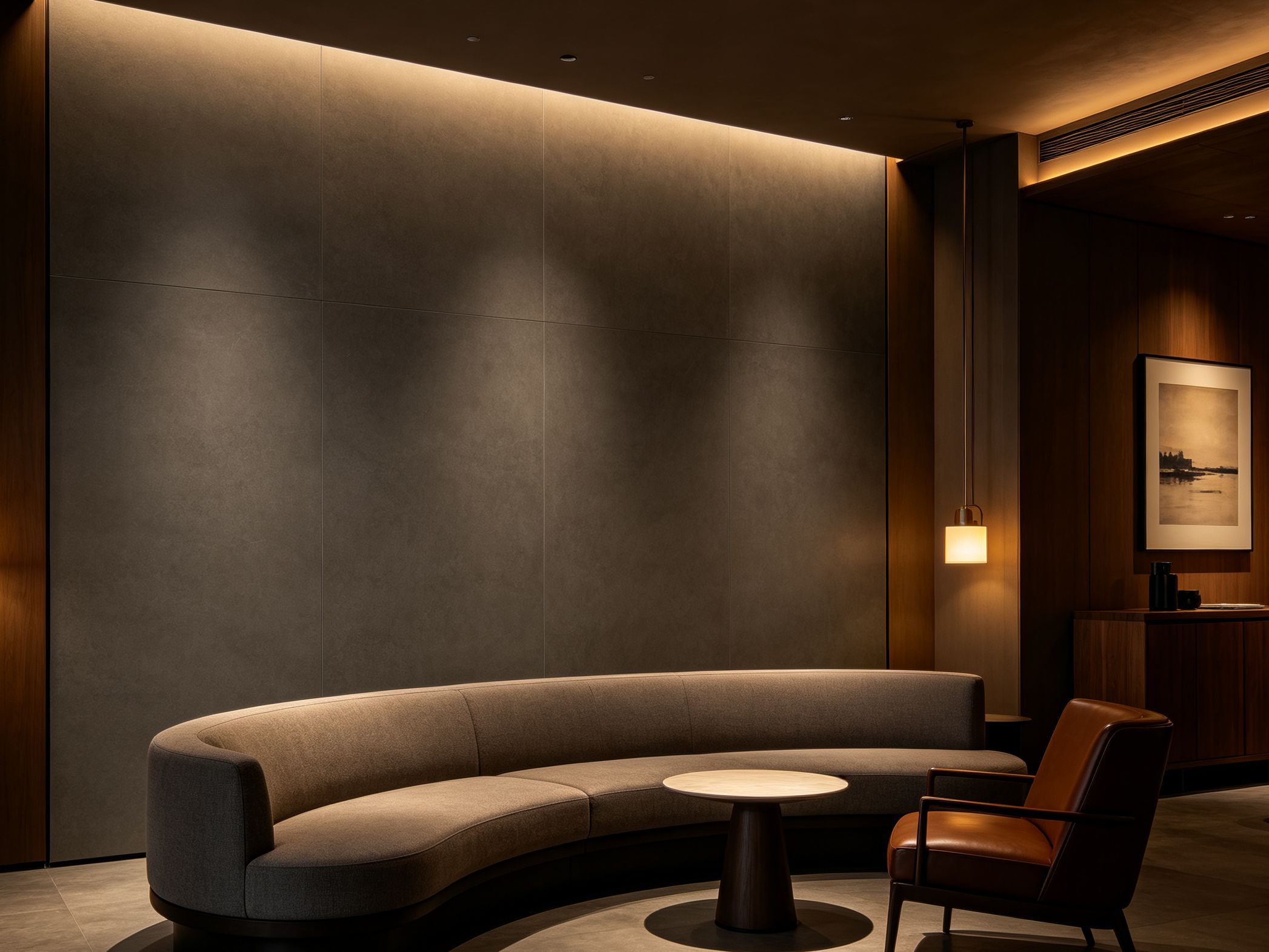
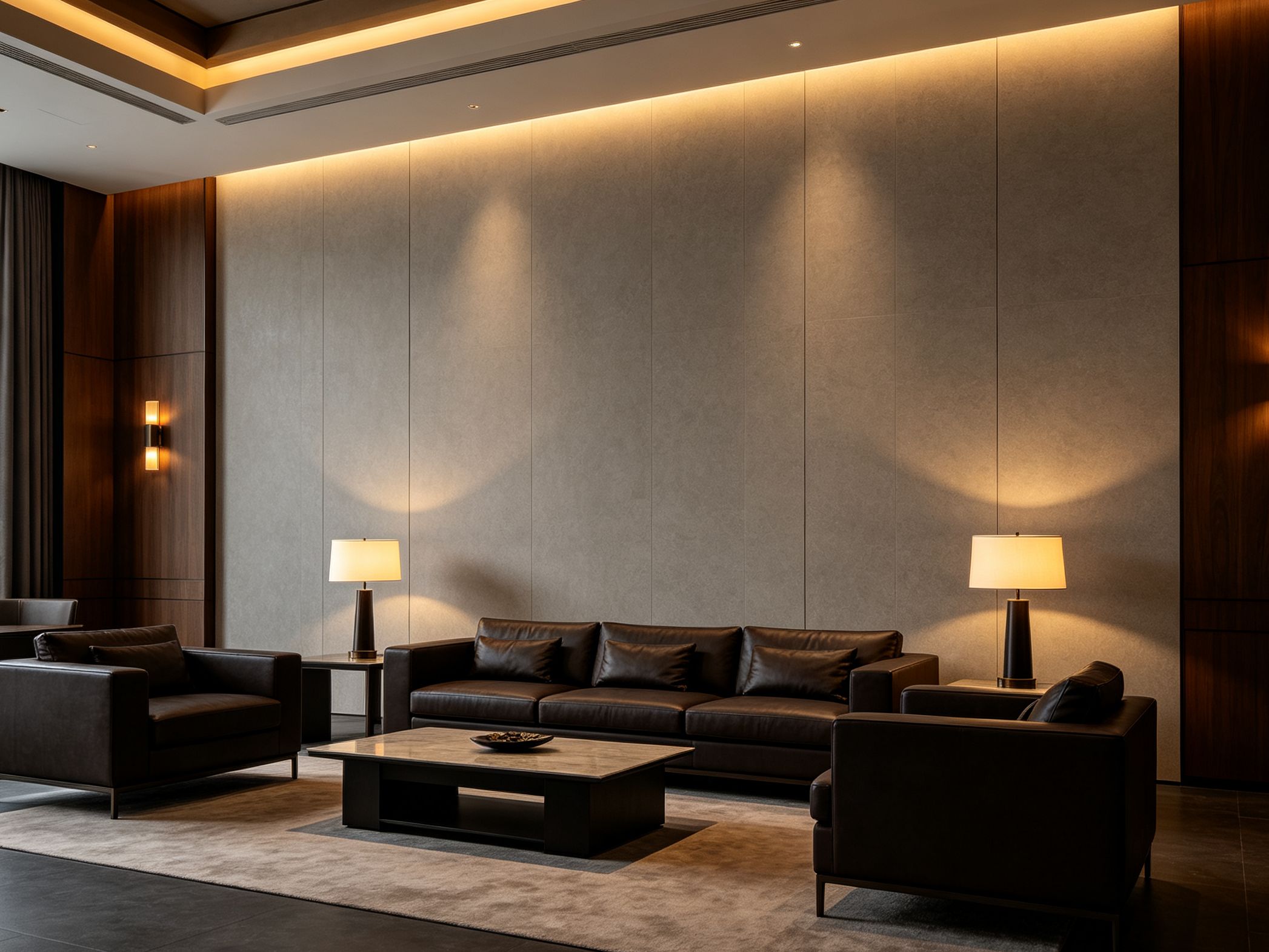
Waterproof wall panels do not need to sacrifice appearance.
Available finishes include:
- Marble patterns
- Wood grain textures
- Stone effects
- Modern decorative designs
This allows architects to combine performance with interior aesthetics.
How to Select Waterproof Wall Panels for Commercial Projects
Before purchasing, buyers should evaluate:
1. Environmental Requirements
Consider:
- Humidity level
- Cleaning frequency
- Application area
- Expected service life
2. Technical Specifications
Important factors include:
- Panel thickness
- Core composition
- Surface treatment
- Fire performance
- Installation method
3. Supplier Reliability
A professional manufacturer should provide:
- Technical documents
- Product samples
- Quality inspection
- Stable production
- Export support
Working with an experienced factory reduces procurement risks.
Common Mistakes When Buying Waterproof Wall Panels
Choosing Only Based on Price
Low-cost materials may create higher future maintenance expenses.
Always consider total lifecycle cost.
Ignoring Project Requirements
Different areas require different performance levels.
Hotels, hospitals, and public buildings may need higher-grade specifications.
Not Checking Supplier Capability
Always confirm:
- Production experience
- Quality consistency
- Project support ability
Final Recommendation
For commercial buildings in the Philippines, waterproof performance is one of the most important factors when selecting interior wall materials.
SPC Wall Panels provide a reliable combination of moisture resistance, durability, decorative flexibility, and low maintenance.
For contractors, developers, and distributors seeking long-term wall solutions, SPC Wall Panels are a practical choice for modern commercial interiors.
Need Waterproof Wall Panel Solutions?
Our factory provides:
- SPC Wall Panels manufacturing
- OEM customization
- Technical support
- Project solutions
- Bulk supply for commercial projects
We support international contractors and distributors with factory-direct production and professional export services.
Official Website: www.mrsalufactory.com
WhatsApp: +86 18125732529
Email: wuyuqin2025@gmail.com
Fire Rated SPC Wall Panels for Commercial Projects: Complete Guide
SPC Wall Panels vs WPC Wall Panels: Which Is Better for Commercial Projects?