What Are Aluminum Alloy Baseboards?
Detailed Description (FAQ)
Q1: What is an aluminum alloy baseboard?
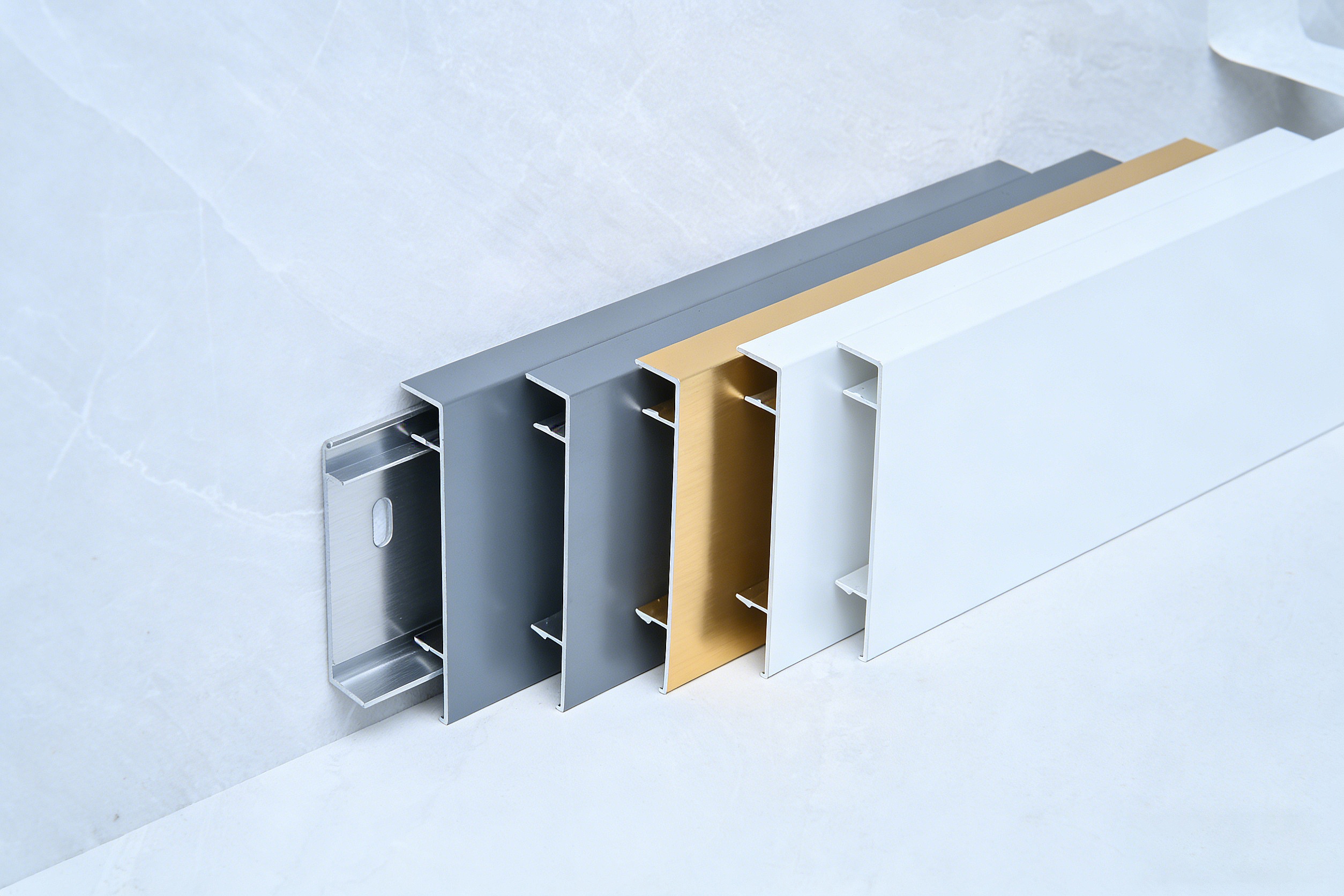
A1: An aluminum alloy baseboard is a metal skirting profile installed at the junction of walls and floors to protect edges and conceal gaps. Compared with PVC or MDF, aluminum alloy baseboard offers higher structural stability and resistance to impact. It is widely specified in commercial buildings where durability and fire safety are priorities.
Q2: What materials and alloys are used in aluminum alloy baseboards?
A2: Most aluminum alloy baseboard products are manufactured from 6063 or similar architectural-grade aluminum alloys. These alloys provide a balance of strength, corrosion resistance, and surface finish quality. For B2B buyers, alloy selection directly affects lifespan and compliance with building standards.
Q3: What are the main features of aluminum alloy baseboards?
A3: Aluminum alloy baseboard systems are known for moisture resistance, non-combustibility, and dimensional stability. Unlike wood-based skirting, aluminum alloy baseboard does not warp or swell in humid environments. These features make it suitable for long-term use in high-traffic interiors.
Q4: Where are aluminum alloy baseboards commonly used?
A4: Aluminum alloy baseboard is commonly applied in offices, hotels, hospitals, airports, and premium residential projects. In commercial environments, aluminum alloy baseboard supports frequent cleaning and mechanical impact. Architects also specify it for minimalist interiors that require sharp, modern lines.
Q5: Are aluminum alloy baseboards suitable for wet or humid areas?
A5: Yes, aluminum alloy baseboard performs well in bathrooms, kitchens, and coastal regions due to its corrosion resistance. Surface treatments such as anodizing or powder coating further protect aluminum alloy baseboard from oxidation. This makes it a reliable option for projects with strict durability requirements.
Q6: What surface finishes are available for aluminum alloy baseboards?
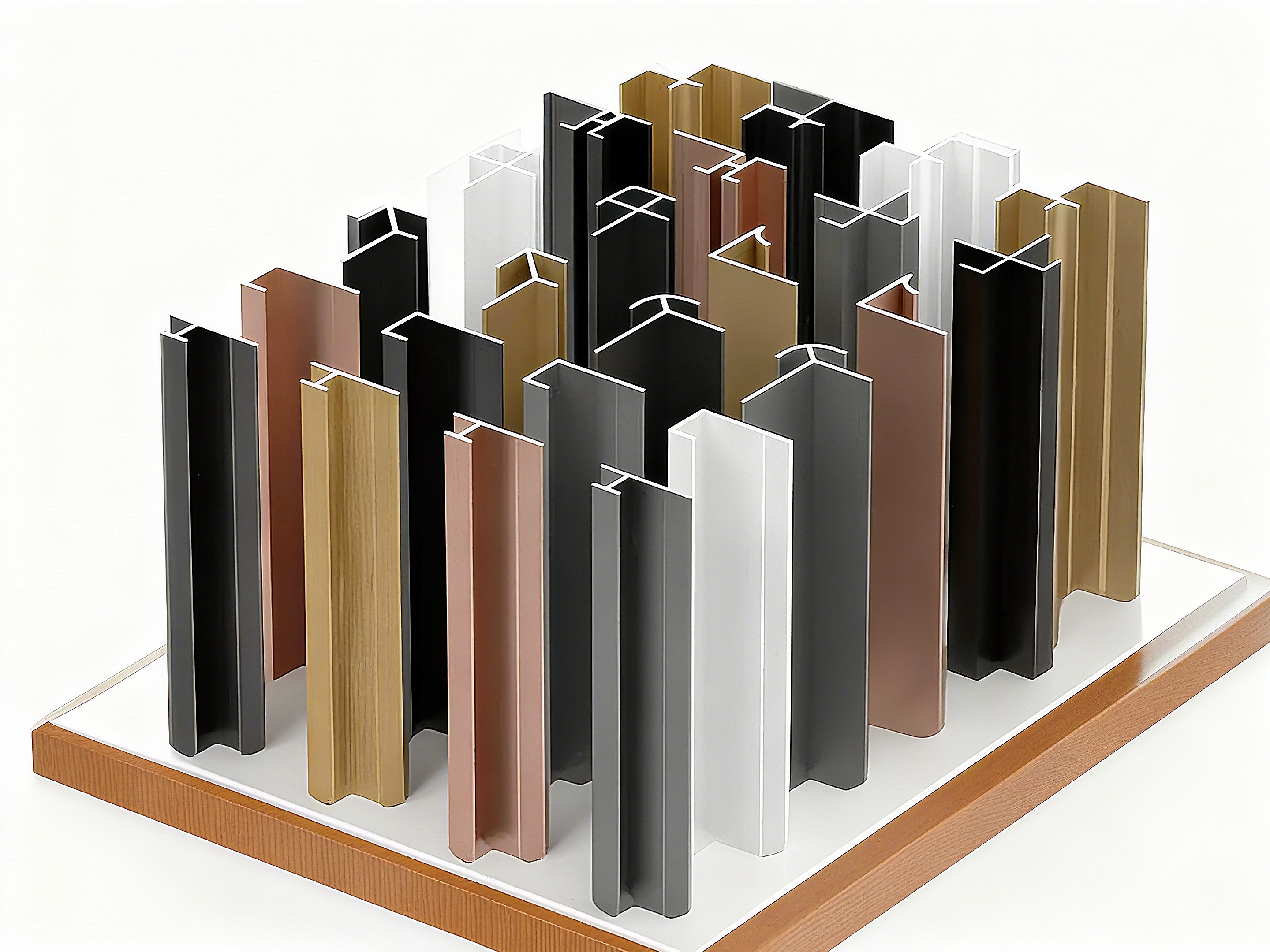
A6: Aluminum alloy baseboard can be finished in anodized, brushed, matte, or powder-coated surfaces. Color options typically include silver, black, white, and custom RAL shades. Finish selection allows aluminum alloy baseboard to match flooring systems or wall panels in integrated interior designs.
Q7: Can aluminum alloy baseboards be customized?
A7: Aluminum alloy baseboard profiles can be customized in height, thickness, color, and cable-management design. Many aluminum alloy baseboard manufacturers offer OEM and ODM services for large projects. Customization is especially important for contractors managing standardized multi-site installations.
Q8: How is an aluminum alloy baseboard installed?
A8: Aluminum alloy baseboard installation typically uses adhesive bonding, mechanical fixing, or concealed clips. Proper substrate preparation ensures straight alignment and long-term stability. Compared with traditional skirting, aluminum alloy baseboard allows faster installation and cleaner detailing.
Q9: What maintenance is required for aluminum alloy baseboards?
A9: Aluminum alloy baseboard requires minimal maintenance beyond routine cleaning. Its non-porous surface prevents staining and bacterial buildup. For facility managers, aluminum alloy baseboard reduces lifecycle maintenance costs compared with painted or laminated alternatives.
Q10: Are aluminum alloy baseboards fire-rated and compliant with standards?
A10: Aluminum alloy baseboard is inherently non-combustible and meets common fire safety requirements in many regions. Depending on the project, aluminum alloy baseboard can comply with EN, ASTM, or local building codes. Compliance documentation should be confirmed with the aluminum alloy baseboard supplier.
Q11: What is the typical MOQ and pricing for aluminum alloy baseboards?
A11: MOQ for aluminum alloy baseboard varies by profile and finish, often starting from project-based quantities. Pricing depends on alloy grade, surface treatment, and customization level. For bulk procurement, working directly with an aluminum alloy baseboard manufacturer improves cost efficiency.
Q12: How do aluminum alloy baseboards compare with PVC or wooden skirting?
A12: Aluminum alloy baseboard outperforms PVC and wood in durability, fire resistance, and environmental stability. While initial costs may be higher, aluminum alloy baseboard delivers longer service life and reduced replacement risk. This makes it a preferred choice for B2B and engineering-driven projects.
What Are LED Baseboard Lights?
What is Aluminum Honeycomb Wall Panel