What Are PVC Grating Panels?
Detailed Description (FAQ)
Q1: What are PVC grating panels?
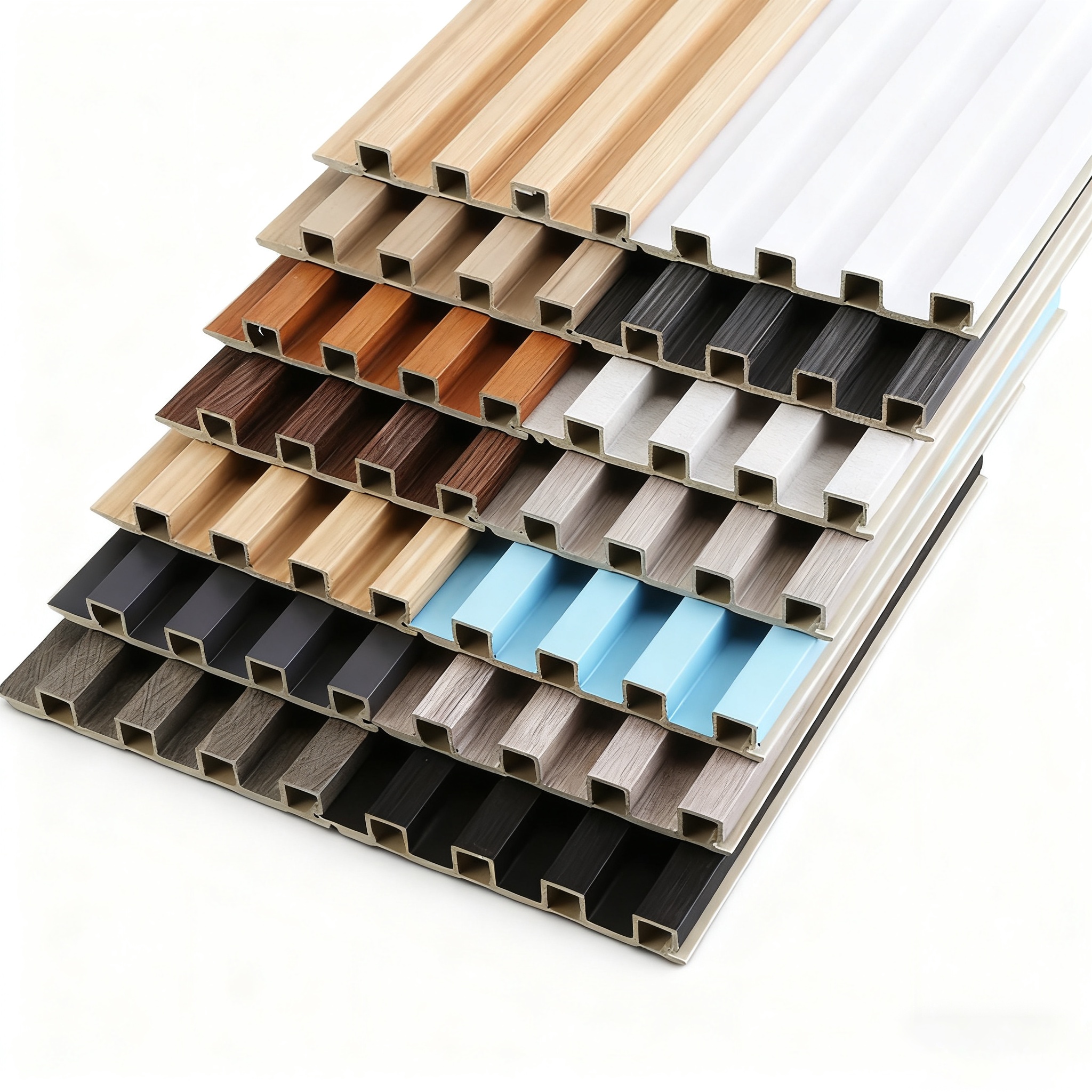
A1: PVC grating panels are modular flooring or platform panels manufactured from polyvinyl chloride. PVC grating provides load-bearing capacity while remaining resistant to chemicals and moisture. This makes PVC grating a practical alternative to metal grating in corrosive settings.
Q2: What are the key features of PVC grating?
A2: PVC grating features corrosion resistance, electrical insulation, and lightweight handling. Unlike steel products, PVC grating does not rust or require surface coating. These characteristics reduce lifecycle costs for industrial installations.
Q3: What specifications are available for PVC grating panels?
A3: PVC grating panels are produced in various thicknesses, mesh sizes, and load ratings. Selection of PVC grating depends on traffic type and span requirements. Manufacturers typically provide technical datasheets for each PVC grating configuration.
Q4: Where is PVC grating commonly used?
A4: PVC grating is widely used in chemical plants, wastewater facilities, cooling towers, and outdoor walkways. In these environments, PVC grating withstands exposure to acids, salts, and humidity. It is also applied in platforms and maintenance access areas.
Q5: Is PVC grating suitable for wet or slippery areas?
A5: Yes, PVC grating performs well in wet conditions due to its anti-slip surface design. Open-mesh PVC grating allows water drainage and reduces standing liquid. This improves safety in industrial and commercial facilities.
Q6: Can PVC grating be customized?
A6: PVC grating can be customized in panel size, color, and surface texture. Many PVC grating manufacturers support cutting and fabrication to match project layouts. Custom PVC grating helps minimize on-site modification.
Q7: How is PVC grating installed?
A7: PVC grating is installed using mechanical fasteners or support frames depending on load requirements. The lightweight nature of PVC grating simplifies handling and speeds installation. Proper fixing ensures panel stability under service loads.
Q8: What maintenance does PVC grating require?
A8: PVC grating requires minimal maintenance compared with metal alternatives. Routine cleaning with water or mild detergent is usually sufficient. This maintenance advantage makes PVC grating suitable for long-term industrial use.
Q9: Is PVC grating fire rated or compliant with standards?
A9: PVC grating can meet specific fire performance standards depending on formulation. Fire-retardant PVC grating options are available for regulated environments. Buyers should verify compliance certificates from the PVC grating supplier.
Q10: What is the MOQ and pricing for PVC grating?
A10: MOQ for PVC grating varies by panel type and customization level. Pricing depends on resin grade, load rating, and order volume. Sourcing directly from a PVC grating manufacturer is common for bulk industrial projects.
Q11: How does PVC grating compare with steel or FRP grating?
A11: PVC grating offers better chemical resistance than steel and lower cost than many FRP systems. While load capacity is lower, PVC grating is sufficient for light to medium-duty applications. This comparison helps buyers select the correct grating material.
Q12: How should buyers choose a PVC grating supplier?
A12: Buyers should evaluate PVC grating suppliers based on material quality, testing standards, and production capacity. Consistent specifications and documented performance are critical for engineering projects. Reliable suppliers also provide technical support for PVC grating selection.
What Is an Aluminum Great Wall Panel?
What Is Ice-Fire Board?