Aluminum Honeycomb Panel Technical Specifications & Structure Guide
1. What Are Aluminum Honeycomb Panels: Definition in Modern Construction Systems
Aluminum honeycomb panels are engineered composite panels designed as lightweight architectural systems rather than simple decorative materials. They are widely used in modern interior and exterior applications where strength, dimensional stability, and long-term durability are required.
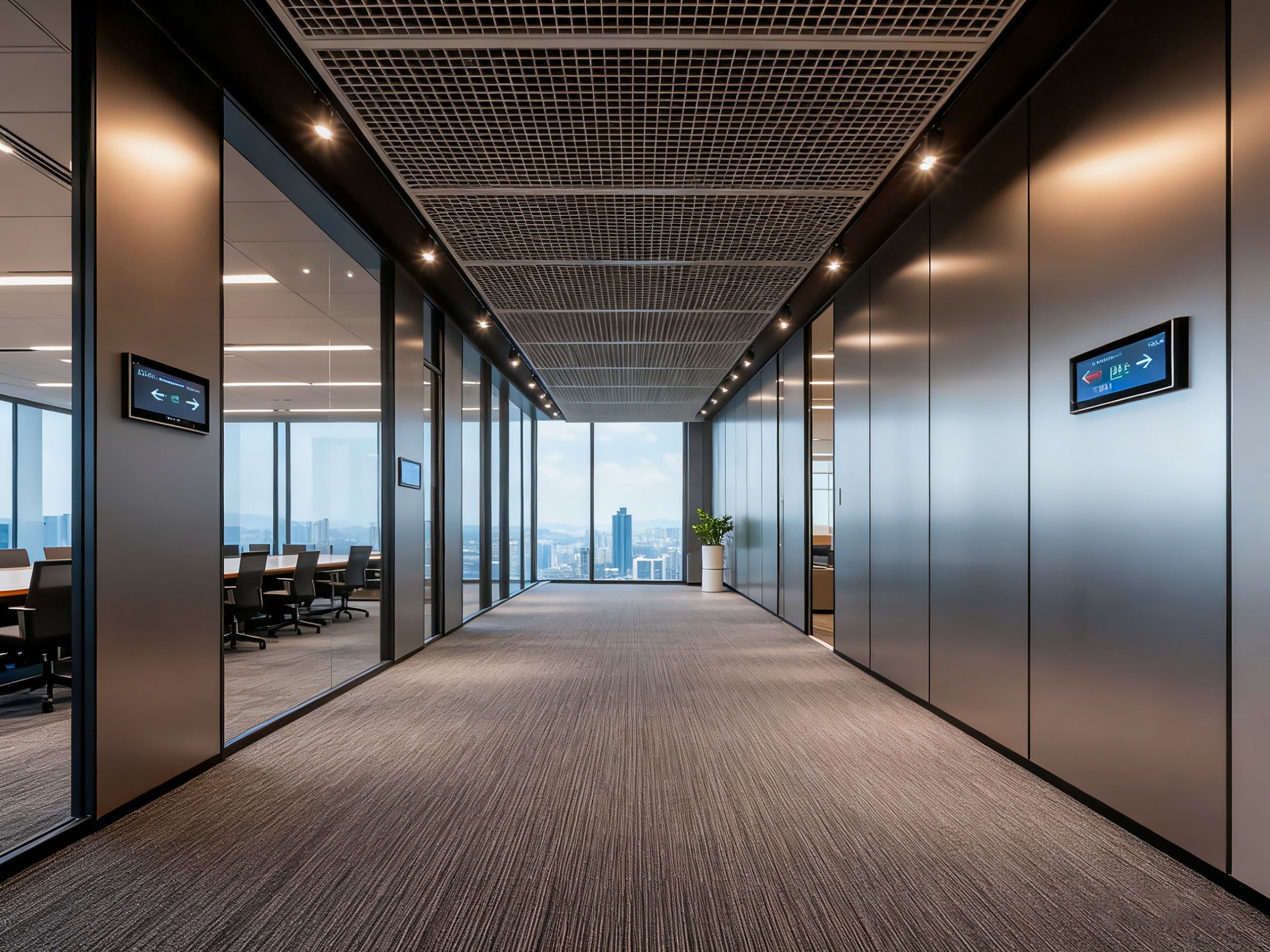
In large-scale transportation facilities such as airports and subway stations, aluminum honeycomb panels function as an advanced interior cladding and architectural finishing system. They are commonly applied for wall panels, ceiling systems, column covers, equipment enclosures, and other high-traffic architectural areas.
Unlike traditional materials such as stone, wood panels, or drywall systems, aluminum honeycomb panels address several common construction challenges:
| Traditional Material Challenge | Aluminum Honeycomb Panel Solution |
|---|---|
| Heavy structural load from stone materials | Lightweight composite structure reduces dead load |
| Moisture sensitivity of wood-based panels | Aluminum structure provides improved moisture resistance |
| Cracking and deformation of traditional finishing materials | Honeycomb core improves dimensional stability |
| Long installation cycles with wet construction | Dry installation enables faster project completion |
| Difficult maintenance in public facilities | Durable surface treatment supports easier cleaning |
For Philippine transportation infrastructure, where high passenger volume, tropical humidity, frequent cleaning, and continuous operation create demanding conditions, material stability becomes an important factor in architectural design.
2. Structural Characteristics & Material Composition
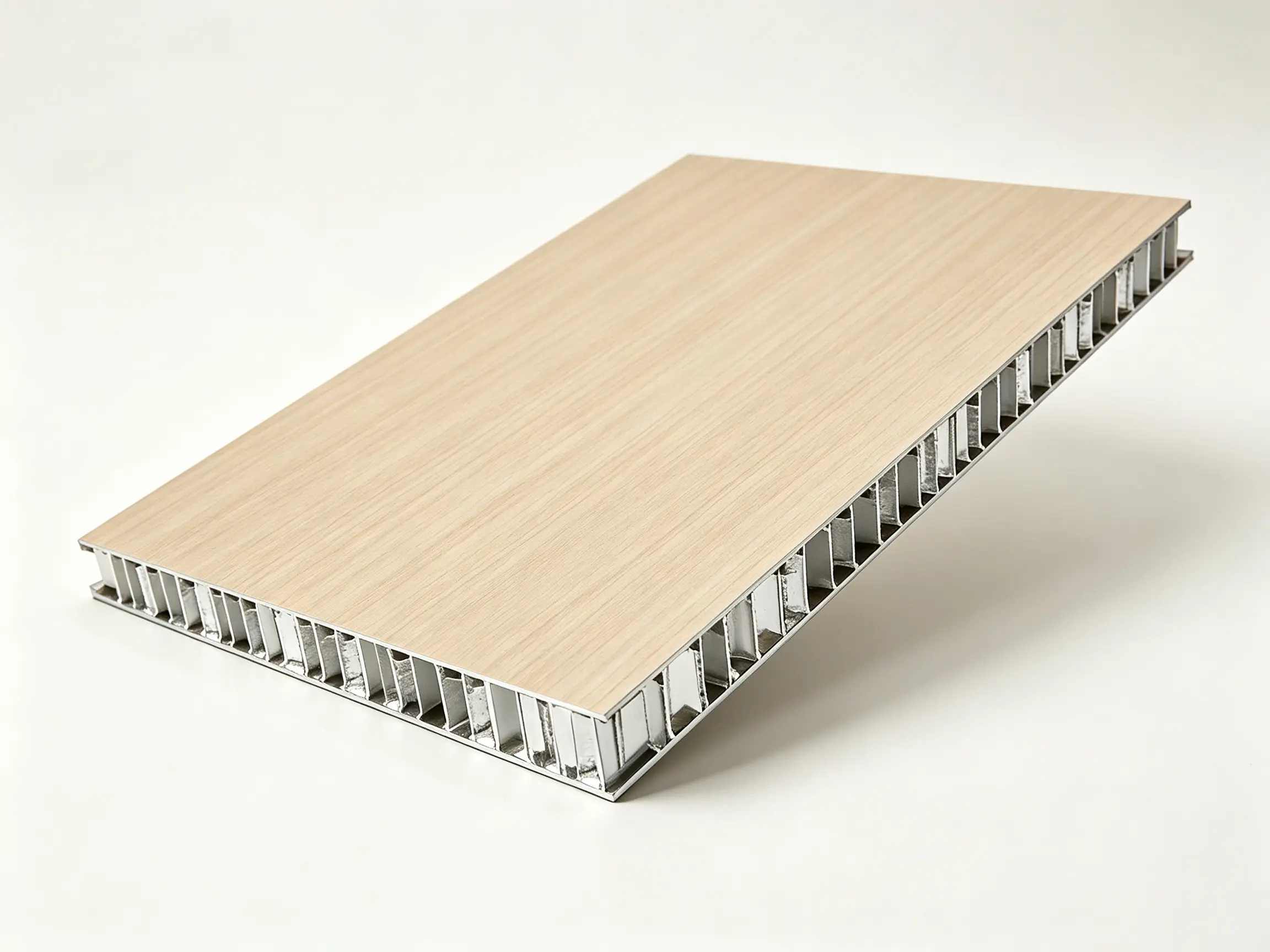
The performance of aluminum honeycomb panels comes from their multi-layer composite structure. Each layer performs a specific engineering function, creating a balance between lightweight design and mechanical strength.
Layer-by-Layer Structure of Aluminum Honeycomb Panels
1. Surface Treatment Layer
The external surface typically includes protective coatings or finishing layers designed to improve:
- Corrosion resistance
- UV resistance
- Surface durability
- Appearance consistency
Common surface finishes include:
- Powder coating
- PVDF coating
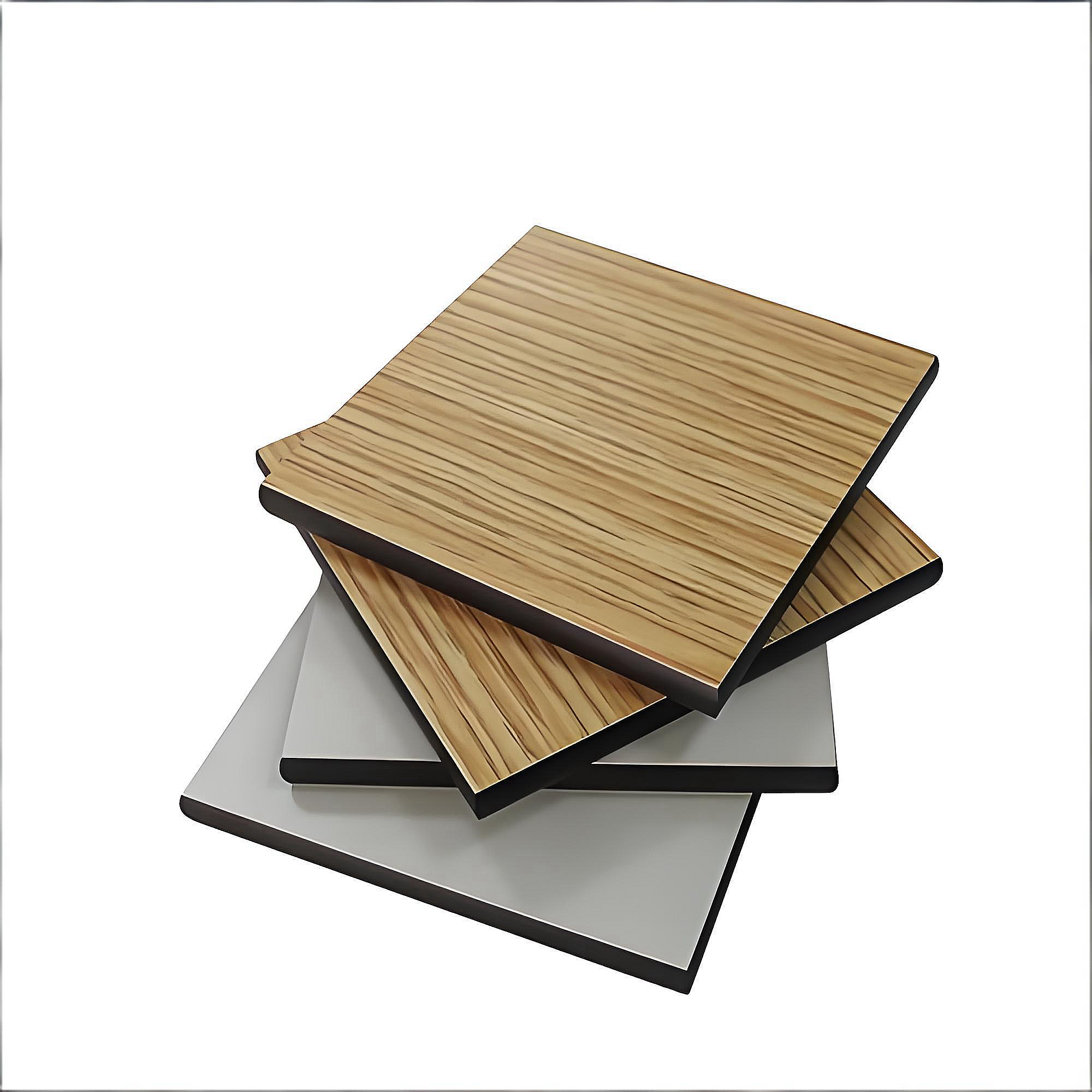
- Wood grain finishing
- Customized decorative coatings
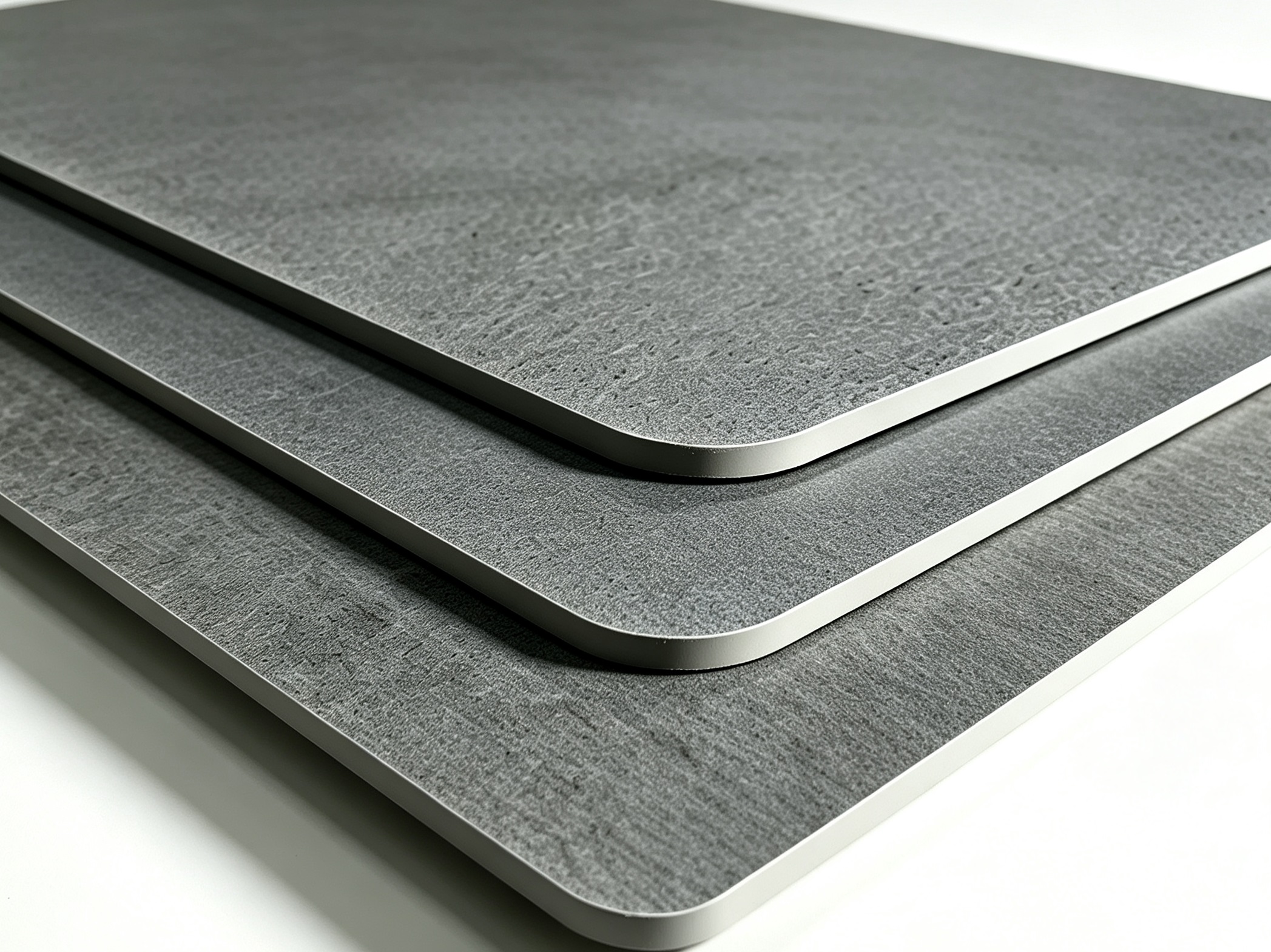
Surface treatment technology allows aluminum honeycomb panels to meet different architectural requirements while maintaining long-term appearance stability.
2. Aluminum Face Sheet Layer
The aluminum face sheet layer is a critical structural component of aluminum honeycomb panels. Located on both sides of the honeycomb core, the aluminum skins work together with the internal core structure to form a high-performance composite panel system. These aluminum layers provide essential mechanical protection while improving the overall strength, durability, and stability of the panel.
The aluminum face sheets provide:
Tensile Strength
The aluminum surface layers enhance the panel’s tensile performance by distributing external forces across the composite structure. When the panel is subjected to pulling, bending, or mechanical stress, the aluminum skins help maintain structural integrity and reduce the risk of deformation.
Impact Resistance
The rigid aluminum surfaces provide a protective barrier against external impacts, scratches, and mechanical loads. This characteristic is especially important for high-traffic environments such as airports, subway stations, commercial buildings, and public facilities where panels may experience frequent contact or accidental impact.
Structural Rigidity
Combined with the lightweight honeycomb core, the aluminum face sheets significantly improve the panel’s bending stiffness and load-bearing capability. The composite design allows the panel to achieve higher strength while maintaining a lower overall weight compared with traditional solid metal sheets.
Protection for the Internal Honeycomb Core
The aluminum skins protect the internal honeycomb core from environmental exposure, mechanical damage, and daily operational impacts. This protective function helps maintain the long-term performance and dimensional stability of the entire panel system.
Enhanced Composite Performance
The aluminum face sheets work together with the honeycomb core through a bonding system to create an integrated composite structure. Unlike a single aluminum sheet, which mainly relies on its own material thickness for strength, the composite design uses the interaction between the aluminum skins and honeycomb core to achieve:
-
Higher strength-to-weight ratio
-
Improved bending resistance
-
Better flatness retention
-
Enhanced durability during long-term use
-
Reduced structural weight for easier installation
This layered engineering design enables aluminum honeycomb panels to provide reliable performance in demanding architectural applications, including transportation facilities, commercial interiors, modular construction systems, and large-scale infrastructure projects.
3. Honeycomb Core Layer
The aluminum honeycomb core is the key structural component.
Its hexagonal cell design creates:
- High strength-to-weight ratio
- Improved bending resistance
- Lightweight characteristics
- Reduced material consumption
The honeycomb structure distributes external forces across the panel surface, helping maintain flatness and stability under long-term service conditions.
Technical Relationship Between Structure and Performance
| Structural Element | Engineering Function | Resulting Performance |
|---|---|---|
| Aluminum honeycomb core | Lightweight structural support | Reduced panel weight |
| Composite bonding system | Connects multiple layers | Improved overall strength |
| Aluminum surface sheets | Provides protection and rigidity | Better impact resistance |
| Protective coating | Enhances surface durability | Improved corrosion resistance |
Key technical characteristics include:
- Composite structure
- High tensile strength
- Fire-retardant core options
- Surface treatment technology
- Lightweight structural design
Aluminum Honeycomb Panel Technical Parameters
| Parameter | Typical Range |
|---|---|
| Panel Thickness | 6mm – 100mm |
| Aluminum Face Sheet Thickness | 0.3mm – 3.0mm |
| Core Material | Aluminum honeycomb core |
| Density | Approx. 3–8 kg/m² depending on specification |
| Surface Finish | PVDF, powder coating, customized finishes |
| Installation Method | Dry installation, hidden clips, mechanical fixing |
| Application | Interior walls, ceilings, partitions, transportation facilities |
Technical specifications may vary according to project requirements and customization.
3. Typical Applications in Large-Scale Projects
Aluminum Honeycomb Panels for Airports
Airports require architectural materials capable of handling:
- Continuous passenger movement
- Frequent cleaning cycles
- Strict safety requirements
- Long operating hours
Aluminum honeycomb panels are commonly used in:
- Airport terminal wall cladding
- Ceiling systems
- Passenger waiting areas
- Corridor panels
- Service areas
Their lightweight structure helps reduce installation difficulty, while customizable surface finishes support modern airport interior design concepts.
Aluminum Honeycomb Panels for Subway Stations
Subway environments require materials with:
- High impact resistance
- Easy maintenance
- Moisture stability
- Long service life
Typical applications include:
- Platform wall panels
- Station ceilings
- Column decoration systems
- Public area partitions
Compatible installation methods include:
- Hidden clip systems
- Mechanical fixing systems
- Modular panel installation
These systems allow easier replacement and maintenance compared with traditional fixed finishing methods.
Other Commercial Applications
Beyond transportation projects, aluminum honeycomb panels are suitable for:
Hospitality Buildings
Hotels and hospitality facilities use these panels for:
- Decorative wall systems
- Feature ceilings
- Interior partitions
The wide range of surface finishes provides aesthetic flexibility.
Shopping Malls and Commercial Buildings
For high-traffic commercial environments, aluminum honeycomb panels provide:
- Wear resistance
- Stable appearance
- Reduced maintenance requirements
4. Material Advantages & B2B Efficiency
Reduced Labor Hours and Installation Complexity
Compared with traditional wet construction methods, aluminum honeycomb panel systems use dry installation technology.
Benefits include:
- Faster installation process
- Reduced dependence on onsite labor
- Cleaner construction environment
- Easier project scheduling
For large-scale developments such as airports and subway stations, reducing installation complexity can improve overall project efficiency.
Factory Direct Supply and Project Customization
For international construction projects, direct factory cooperation enables:
- Factory direct pricing
- Project-based customization
- OEM and ODM solutions
- Technical specification support
Manufacturers can customize:
- Panel dimensions
- Thickness requirements
- Surface finishes
- Fire performance requirements
- Installation solutions
This allows aluminum honeycomb panels to adapt to different architectural standards and project conditions.
5. Technical Summary & Industry Compatibility
Aluminum honeycomb panels represent a modern composite building solution combining lightweight construction, structural performance, and architectural flexibility.
Their compatibility with:
- Modular construction
- Prefabricated building systems
- Dry construction methods
- Commercial renovation projects
makes them suitable for modern infrastructure development.
For public transportation projects in the Philippines, aluminum honeycomb panels provide engineering value through:
- Long-term dimensional stability
- Low maintenance cost
- Lightweight structural advantages
- Adaptable installation systems
As transportation infrastructure continues to develop, materials with predictable performance and efficient installation methods will remain important components of modern architectural systems.

Technical Resources & Project Support
Need detailed technical drawings or test reports for Aluminum Honeycomb Panel? Contact our engineering team for Full Specifications and OEM Project Solutions.
Official Website: www.mrsalufactory.com
WhatsApp: +86 18923111901
Email: mrsaluwinnie@gmail.com
How to Choose the Right SPC Wall Panels for Hotel Construction Projects in the Philippines
HPL Panel Technical Guide: Structure, Specifications, and Performance