HPL Panel Technical Guide: Structure, Specifications, and Performance
What Are HPL Panels: Definition in Modern Systems
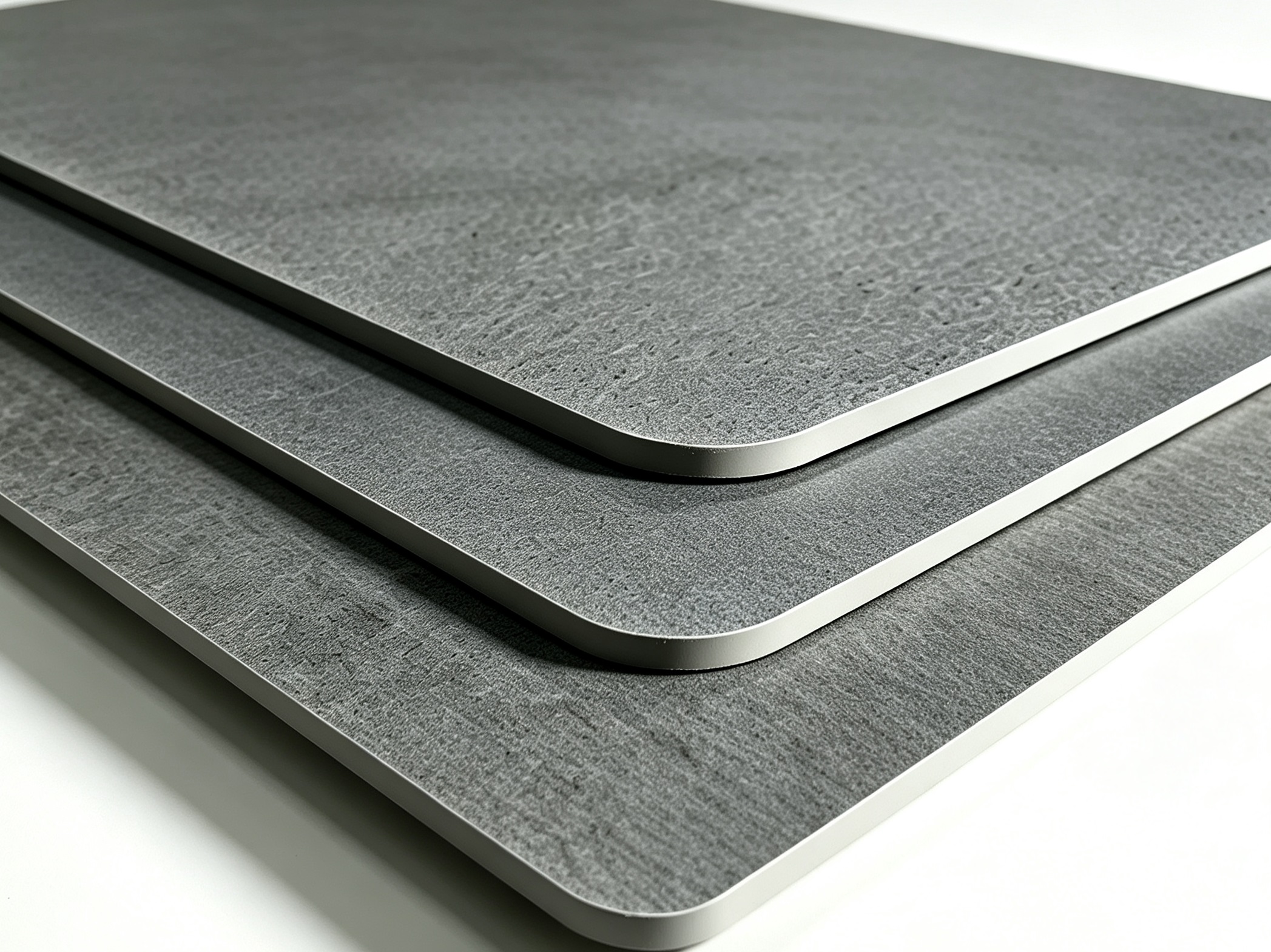
In contemporary architectural design, an HPL Panel (High-Pressure Laminate Panel) is no longer viewed merely as a surface finish; it is engineered as an integral part of high-performance exterior cladding systems and interior decorative solutions. Designed to withstand demanding structural environments, these panels provide a heavy-duty, self-supporting decorative skin for high-traffic architectural spaces.
For decades, developers and contractors relied on traditional building materials such as natural stone, solid wood, and standard drywall. However, these traditional options present severe engineering bottlenecks:
-
Natural Stone: Imposes extreme structural dead weight, requiring heavy-duty anchoring systems, and is highly susceptible to cracking under seismic shifts.
-
Solid Wood: Vulnerable to moisture absorption, rot, termite infestation, and carries a high fire hazard risk.
-
Drywall: Lacks impact resistance, deteriorates rapidly in humid conditions, and demands high maintenance costs.
The modern HPL panel system solves these pain points simultaneously. By combining exceptional structural density with advanced polymer chemistry, it delivers a lightweight, high-strength solution that resists moisture, impact, and environmental degradation, setting a new standard for sustainable B2B commercial construction.
Structural Characteristics & Material Composition
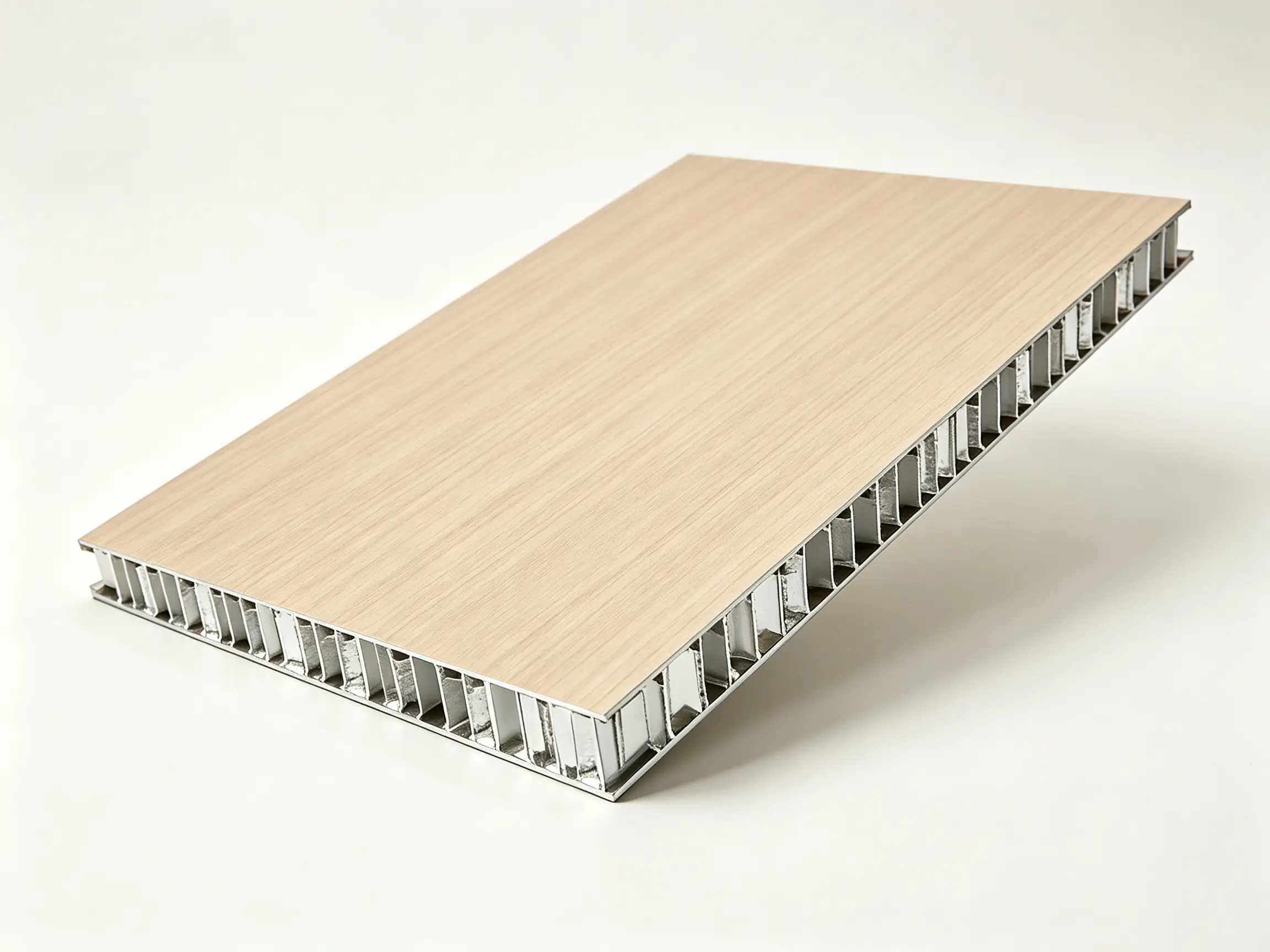
The superior engineering performance of an HPL panel stems directly from its sophisticated composite structure. Understanding this layer-by-layer anatomy reveals why it excels under extreme mechanical and environmental stress.
+-------------------------------------------------------+
|  Overlaid Protective Surface (UV / Scratch Resistant)  |
+-------------------------------------------------------+
|  Decorative Paper Layer (Melamine-Impregnated)        |
+-------------------------------------------------------+
|  Thermosetting Core (Phenolic Resin & Kraft Papers)   |
+-------------------------------------------------------+
-
Surface Treatment Layer: The outermost layer features a specialized melamine-impregnated decorative paper, often treated with an advanced electron-beam curing (EBC) process or UV-resistant coating. This ensures maximum color fastness and chemical resistance.
-
Decorative Layer: Provides aesthetic versatility, realistically mimicking wood grains, stone textures, or solid architectural tones.
-
Fire-Retardant Core Layer: The backbone of the panel consists of multiple layers of high-quality kraft papers deeply saturated with thermosetting phenolic resins. Under severe high-pressure ($>5\,\text{MPa}$) and high-temperature ($\ge 150^\circ\text{C}$) manufacturing conditions, these layers undergo a total molecular cross-linking reaction, fusing into an irreversible, high-density solid core.
This specific molecular fusion directly dictates its mechanical traits. The dense configuration yields incredible tensile strength and flexural modulus, preventing deformation under wind loads or structural shifts.
Technical Specification Datasheet
To assist structural engineers and procurement managers, the standard engineering parameters of our industrial-grade HPL panels are detailed below:
💡 Need specific test certifications for your regional building codes? Click here to [Download Technical Datasheet]
Typical Applications in Large-Scale Projects
HPL panels are engineered to capture high-value project demand by matching specific environmental requirements in large-scale commercial developments.
1. Hospitality & High-End Office Spaces
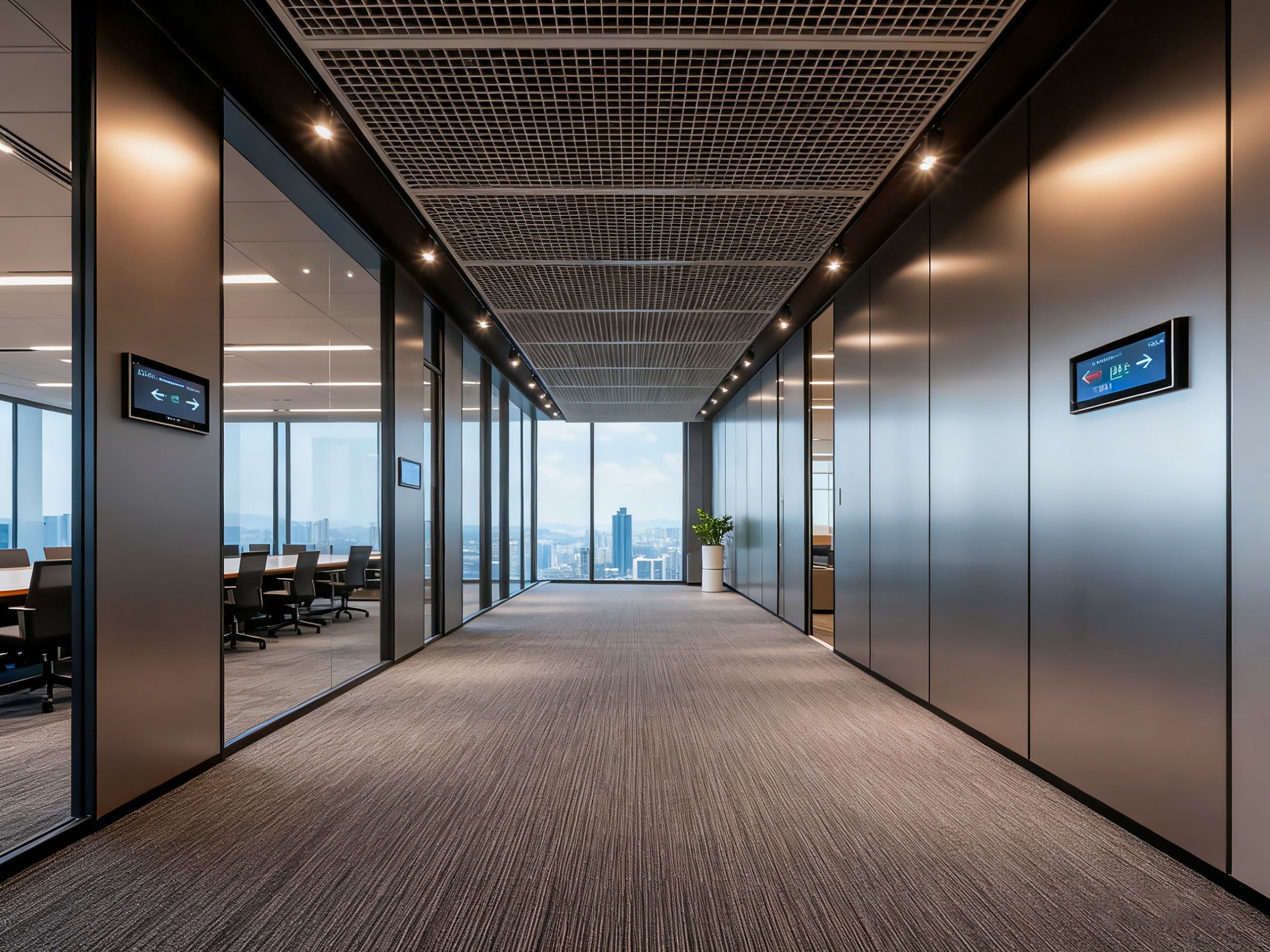
In premium hotel projects and corporate headquarters, aesthetic versatility must coexist with structural longevity. HPL panel systems allow architects to achieve luxury wood or stone finishes across expansive wall surfaces without the weight or maintenance liabilities of authentic raw materials.
2. Malls & Transit Hubs (High-Traffic Areas)
Retail environments and airports require extreme durability for high-traffic areas. HPL panels feature excellent anti-graffiti, scratch-resistant, and impact-proof characteristics. They withstand heavy daily wear from pedestrians, luggage, and cleaning carts without showing signs of degradation.
3. Advanced Engineering Installation Systems
To secure these panels in large-scale projects, they are integrated into robust architectural sub-structures using two primary methods:
-
Interlocking System (Tongue & Groove): Ideal for seamless interior partitioning and continuous wall designs, offering a clean, flush appearance.
-
Hidden Clips / Concealed Fastening System: Utilizes aluminum alloy sub-frames and heavy-duty structural hangers behind the panel. This hidden mechanical fixing provides a clean facade aesthetic while allowing adequate airflow, doubling as a rainscreen or ventilated facade system.
Material Advantages & B2B Efficiency
For commercial developers and EPC contractors, choosing the right material is as much a financial calculation as it is an engineering decision. HPL panel installations significantly optimize project bottom lines through operational efficiency.
-
Drastic Reduction in Labor Hours: Unlike heavy natural stone which requires complex masonry work, or drywall that demands multi-step plastering and painting, HPL panels arrive pre-finished and cut-to-size. This reduces installation complexity and saves up to 40% in on-site labor hours.
-
Lightweight Structural Load: Lowering the dead load of exterior walls reduces the structural mass required for the building’s main concrete or steel frame, translating to widespread material savings across the foundation.
-
B2B Manufacturing Capability: Securing materials from a dedicated production facility eliminates middleman margins. We provide Factory Direct Pricing paired with comprehensive Project-based Customization (OEM/ODM). Whether your project demands specific panel dimensions, custom acoustic perforations, or tailored fire-retardant thresholds, our manufacturing lines adapt precisely to your engineering blueprints.
Technical Summary & Industry Compatibility
As the global construction sector pivots toward sustainable, fast-tracked execution models, the HPL panel has proven to be perfectly compatible with Modular Construction (prefabricated buildings). Because the panels can be precisely CNC-machined and pre-mounted onto modular wall cassettes off-site, they integrate seamlessly into modern industrialized building workflows.
From a lifecycle cost perspective, the engineering value of HPL is unmatched. It represents a truly low maintenance cost solution—requiring no periodic sealing, repainting, or chemical treatments. For asset managers and commercial landlords across fast-developing GEO regions like Southeast Asia, this long-term durability ensures the building facade retains its structural integrity and aesthetic value for decades, maximizing the property’s overall return on investment (ROI).
CTA Section
Need detailed technical drawings or test reports for HPL Panel? Contact our engineering team for Full Specifications and OEM Project Solutions.
-
Official Website: www.mrsalufactory.com
-
WhatsApp: +86 18923111901
-
Email: mrsaluwinnie@gmail.com
Aluminum Honeycomb Panel Technical Specifications & Structure Guide
Exploring Aluminum Honeycomb Panel: A Deep Dive into Engineering Design and Material Properties