SPC Honeycomb Wall Panel Technical Guide: Structure and Applications
What Are SPC Honeycomb Wall Panels
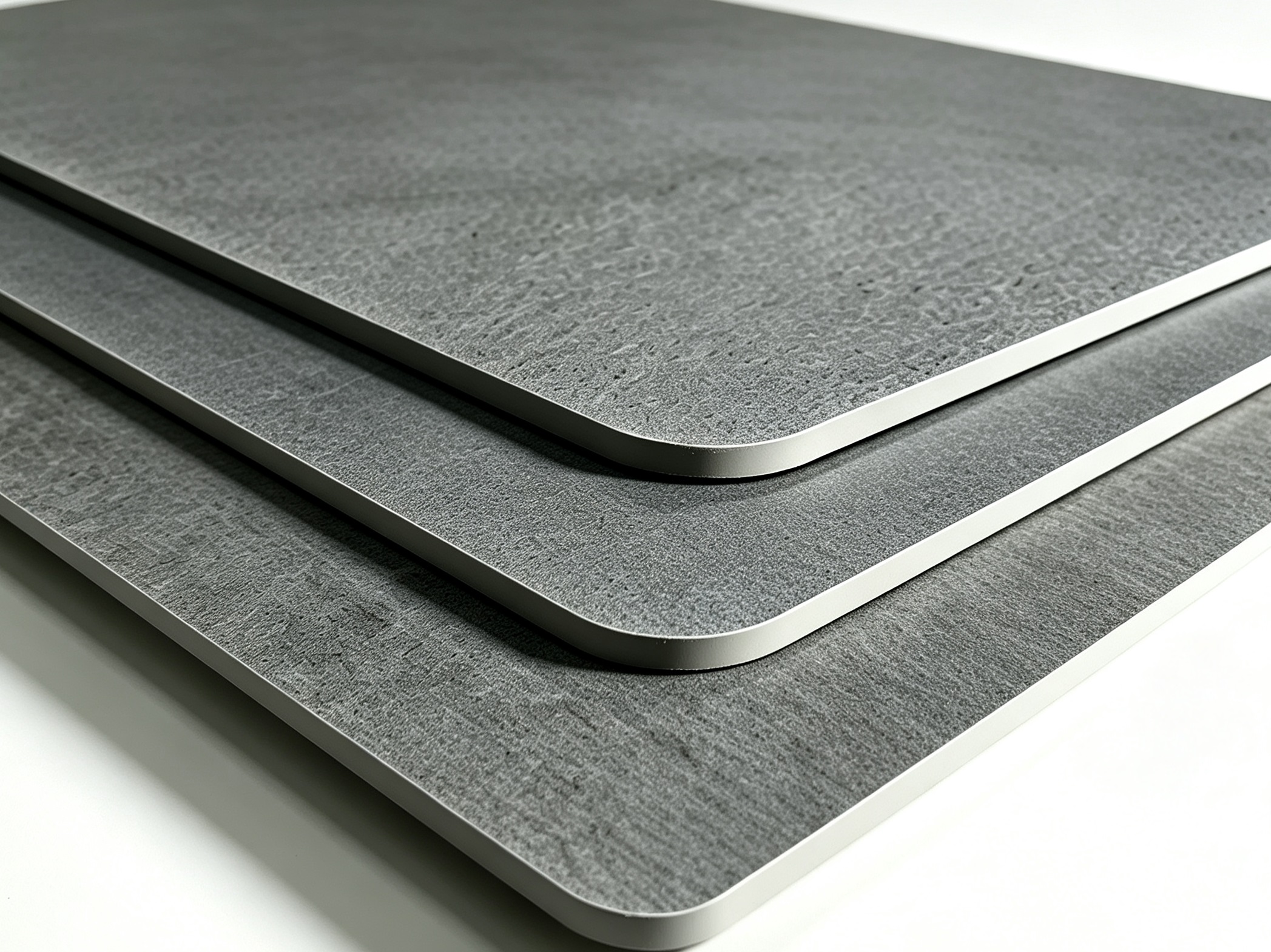
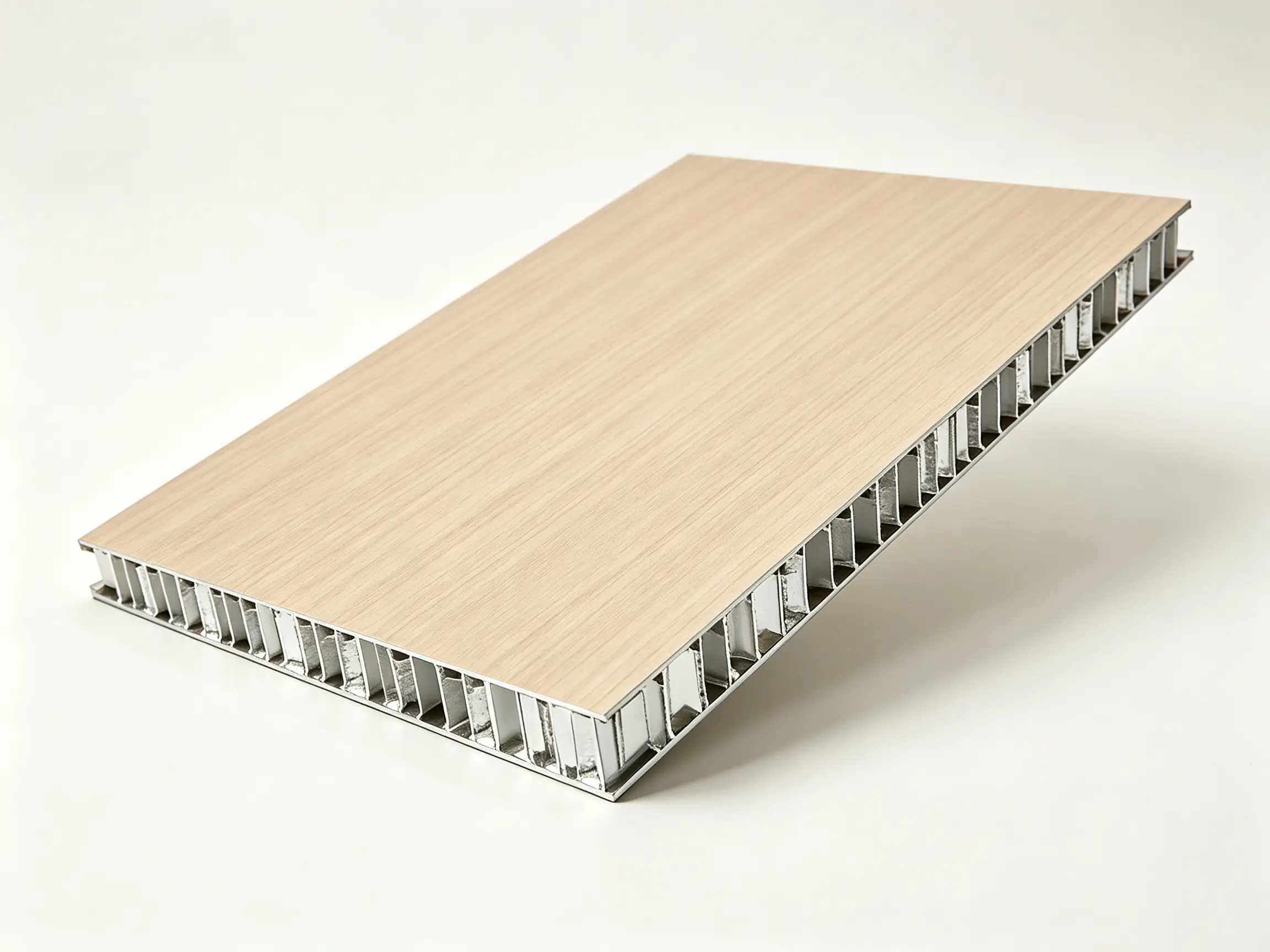
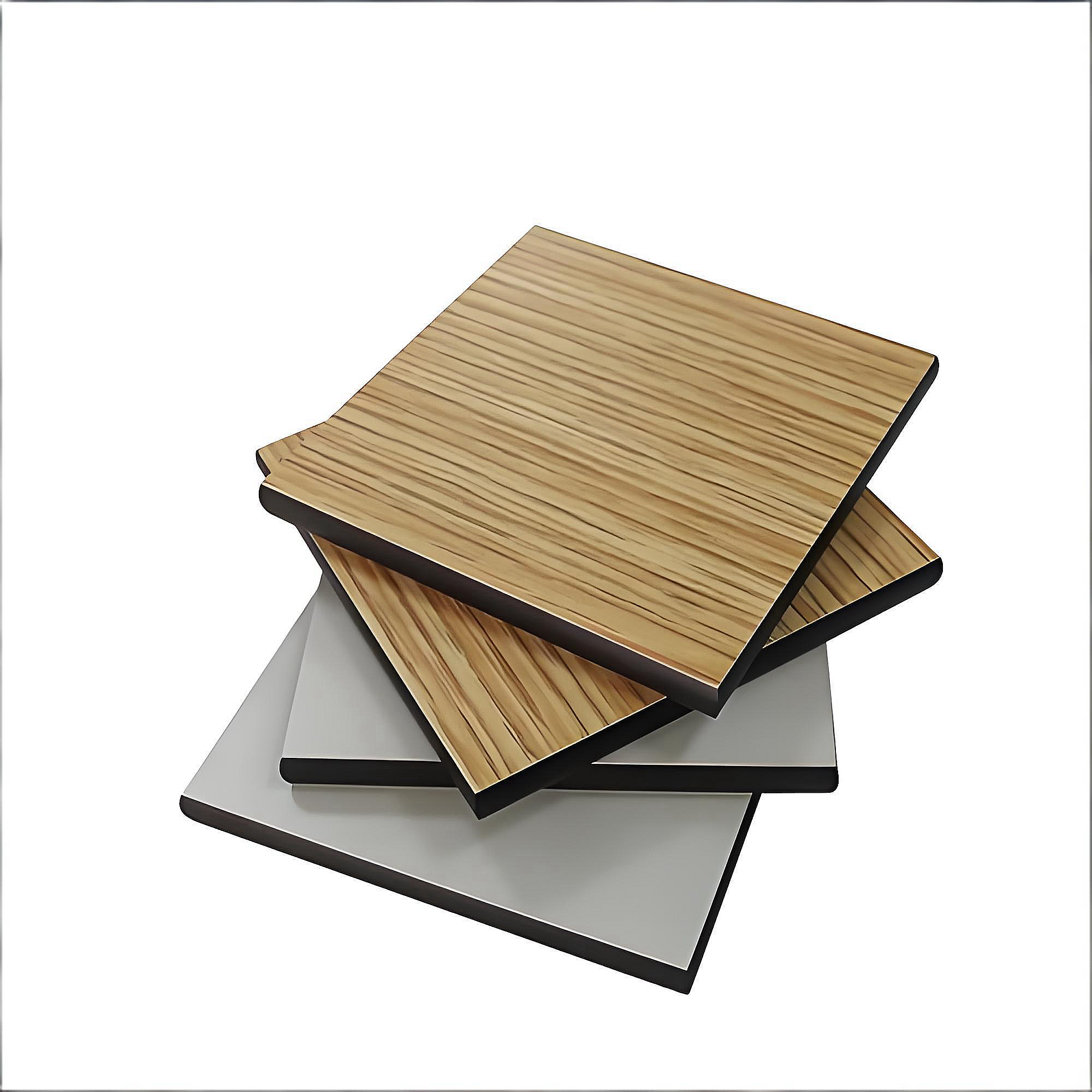
SPC Honeycomb Wall Panels are engineered composite panels used in interior wall systems and architectural cladding applications. They combine SPC (Stone Plastic Composite) layers with a honeycomb core structure to achieve both strength and lightweight performance.
In construction systems, these panels serve as an alternative to traditional materials such as gypsum boards, cement boards, and wood panels. They provide improved moisture resistance, durability, and structural consistency compared to conventional materials.
In modern building environments, SPC Honeycomb Wall Panels are widely used in modular and prefabricated systems. Their design supports fast installation and standardized production, making them suitable for large-scale commercial and residential developments in South Africa.
Structural Characteristics
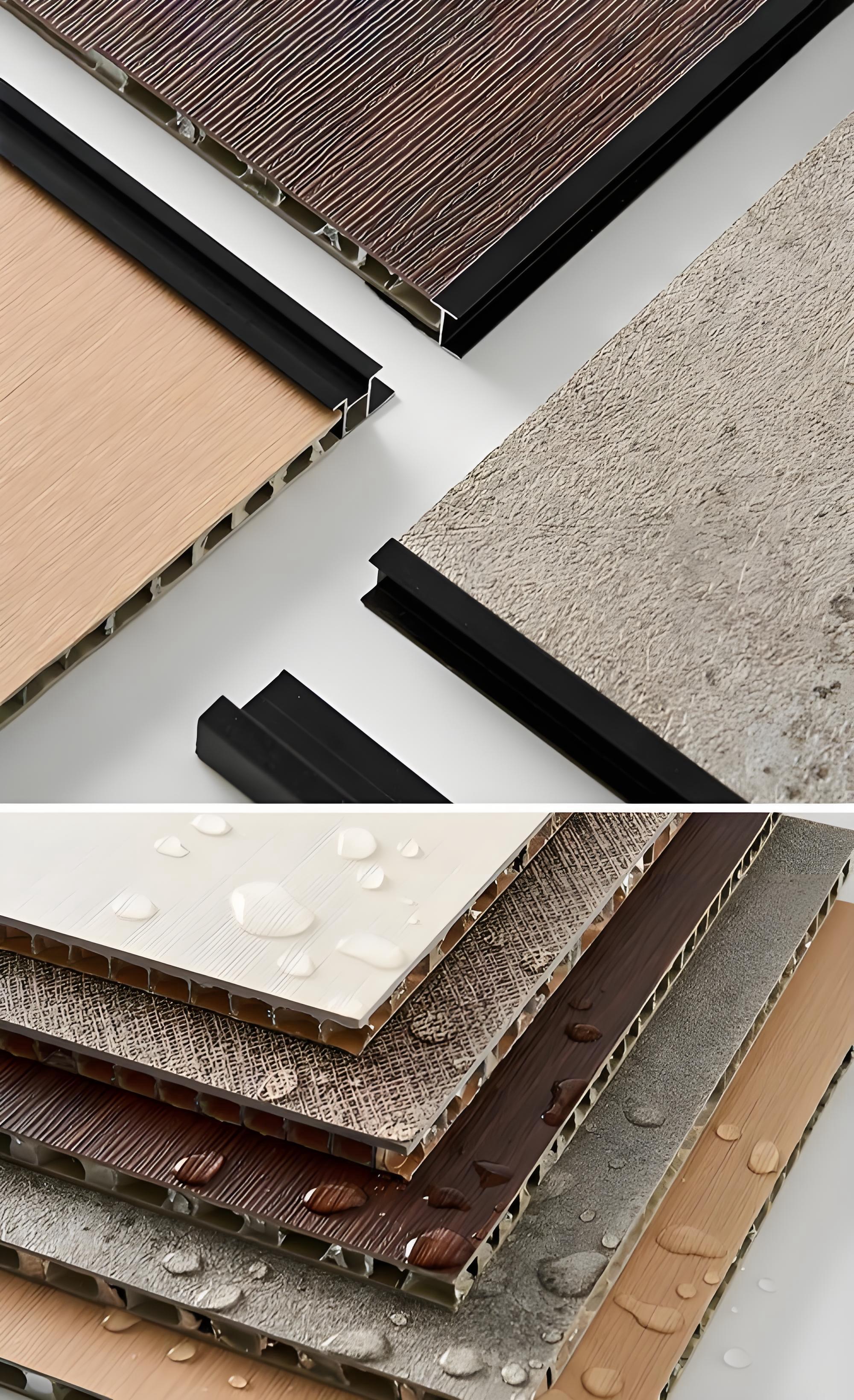
Material Composition
- SPC surface layer
- Honeycomb core structure
- Composite bonding layers
Structural System
The honeycomb core distributes load evenly across the panel, improving rigidity while maintaining a lightweight structure. This sandwich design enhances stability and reduces deformation over time.
Performance Attributes
- Lightweight for easy installation
- High durability and impact resistance
- Moisture and corrosion resistance
- Fire resistance depending on specifications
- Optional thermal and acoustic insulation performance
This structure is suitable for modern engineering because it balances strength, weight reduction, and installation efficiency, which are essential for prefabricated construction systems.
Typical Applications
Hotel Projects
Used in hotel rooms, corridors, and lobby walls. The panels allow quick installation and provide durable decorative finishes, supporting fast project turnover.
Commercial Buildings
Applied in shopping malls and retail spaces where durability and easy maintenance are required. Their resistance to wear makes them suitable for high-traffic environments.
Office / Mall / Public Buildings
Used in offices, airports, and exhibition centers. The panels provide consistent surface quality, design flexibility, and long-term stability.
In all these applications, SPC Honeycomb Wall Panels are chosen for their efficiency in installation and reliable performance.
Material Advantages
Compared to Traditional Materials
- Cement boards: heavier and harder to install
- Gypsum boards: less durable and moisture-sensitive
- Wood panels: prone to deformation and maintenance issues
Core Advantages
- Fast installation improves construction efficiency
- Lightweight reduces transport and labor costs
- Durable structure lowers maintenance needs
- Stable performance ensures long-term use
B2B Supply Advantages
- OEM customization for project requirements
- Factory direct supply for cost control
- Bulk supply capability for large projects
- Project-based solutions for contractors and developers
Technical Summary
SPC Honeycomb Wall Panels provide strong engineering value by combining composite material technology with a honeycomb structural system. This allows effective load distribution while maintaining lightweight performance.
Their system integration capability makes them compatible with modern construction methods, including modular and prefabricated building systems. With long-term durability and flexible application, they meet the demands of evolving construction markets.
As building trends continue toward efficiency and scalability, SPC Honeycomb Wall Panels are becoming a practical solution for modern construction projects in South Africa and beyond.
Fixed Cooperation Info
If you are looking for reliable SPC Honeycomb Wall Panel suppliers for construction or interior projects, contact our team for catalogs, technical data, and project solutions.
We support OEM manufacturing, bulk supply, and project customization.
Official Website: www.mrsalufactory.com
WhatsApp: +86 18923111901
Email: mrsaluwinnie@gmail.com
LED Linear Light Technical Guide: Structure and Applications
Carbon Crystal Board Technical Guide: Structure, Performance and Applications