Exploring SPC Stone Plastic Composite Wall Panels: A Deep Dive into Engineering Design and Material Properties for Hotel Projects
Core Technology Behind SPC Stone Plastic Composite Wall Panels
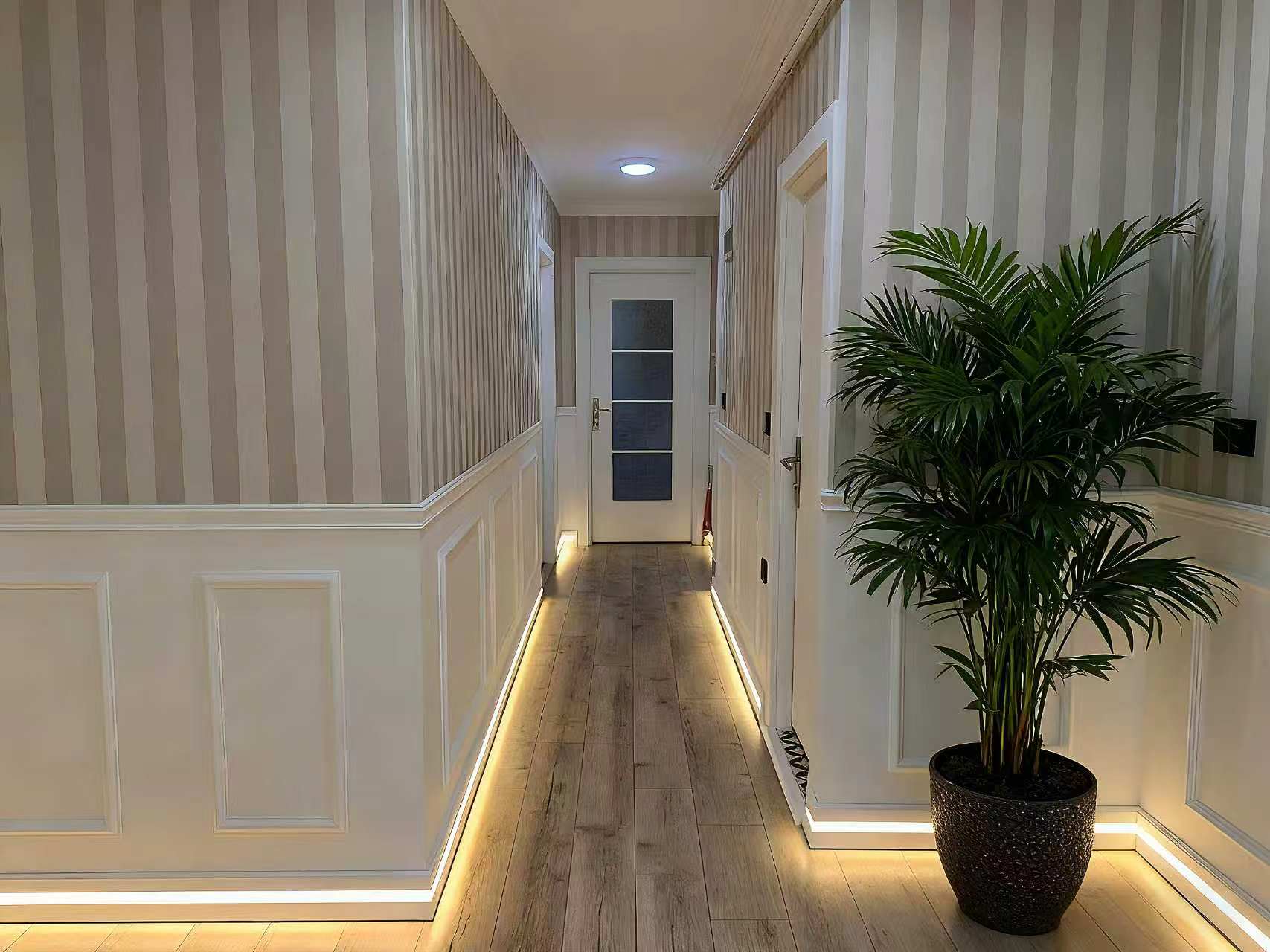
SPC Stone Plastic Composite Wall Panels are more than decorative wall coverings—they are a modern interior wall system designed to improve durability, installation efficiency, and long-term maintenance for commercial buildings. In the Philippines, where hotels must withstand high humidity, frequent cleaning, and heavy daily traffic, these panels have become an increasingly popular alternative to traditional wall materials.
Many hotel developers and contractors are familiar with the common problems of painted gypsum boards, ceramic tiles, and PVC wall panels. Painted walls can crack or stain over time, ceramic tiles require lengthy installation and grout maintenance, and PVC panels may lack the rigidity needed for demanding commercial environments.
SPC Wall Panels solve these challenges through an engineered composite structure that combines natural stone powder with high-quality polymer materials. The result is a wall system that offers excellent dimensional stability, moisture resistance, impact resistance, and faster installation.
As hotel renovation projects continue to focus on reducing downtime and labor costs, SPC Wall Panels provide a practical solution that balances aesthetics, performance, and project efficiency. This article explains the engineering principles behind the product and why it has become a preferred interior wall solution for modern hospitality projects.
Structural Characteristics & Material Composition
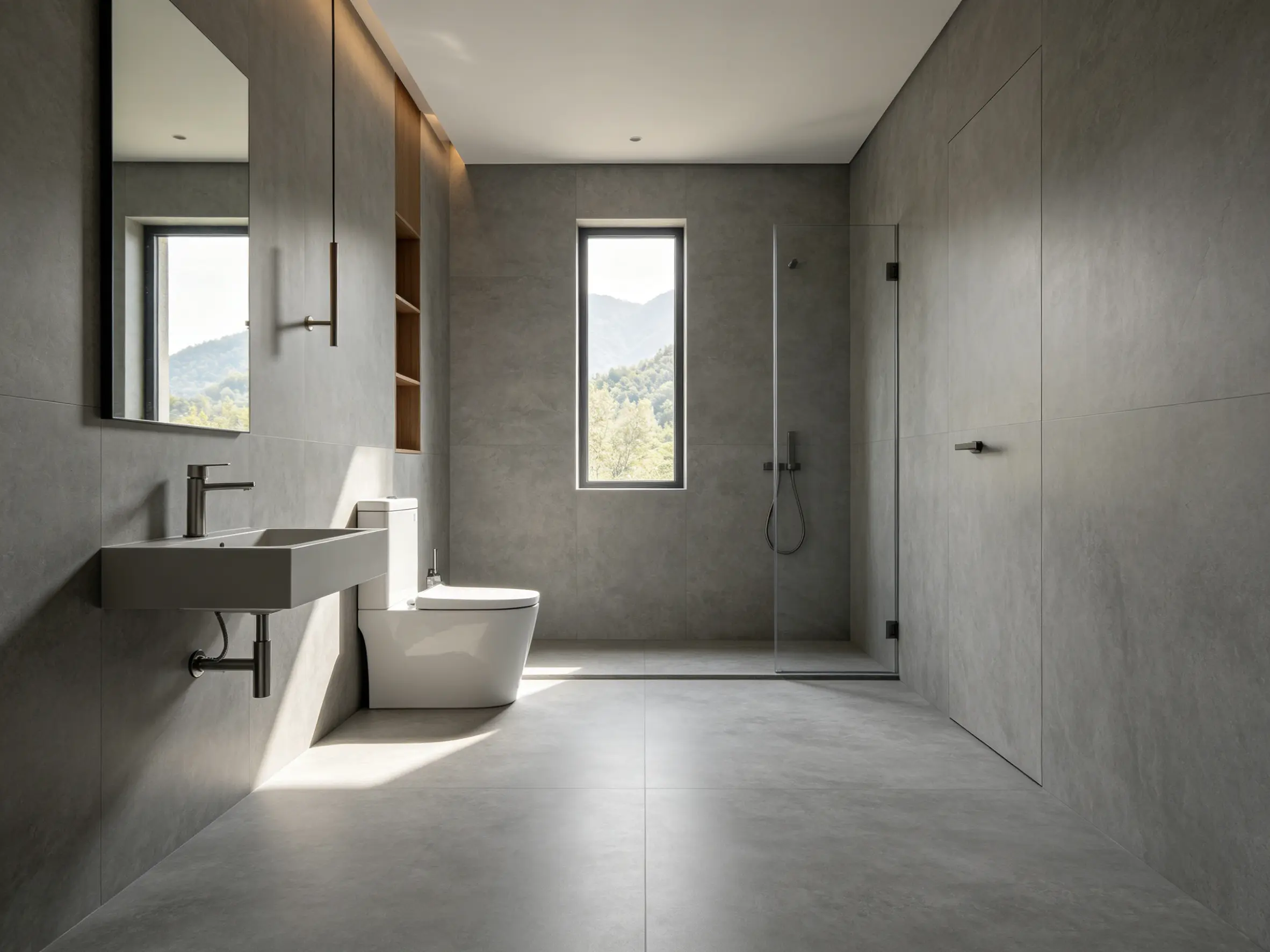
The performance of SPC Wall Panels comes from their carefully designed multi-layer composite structure. Each layer performs a specific function to improve durability, appearance, and structural stability.
Wear-Resistant Surface Layer
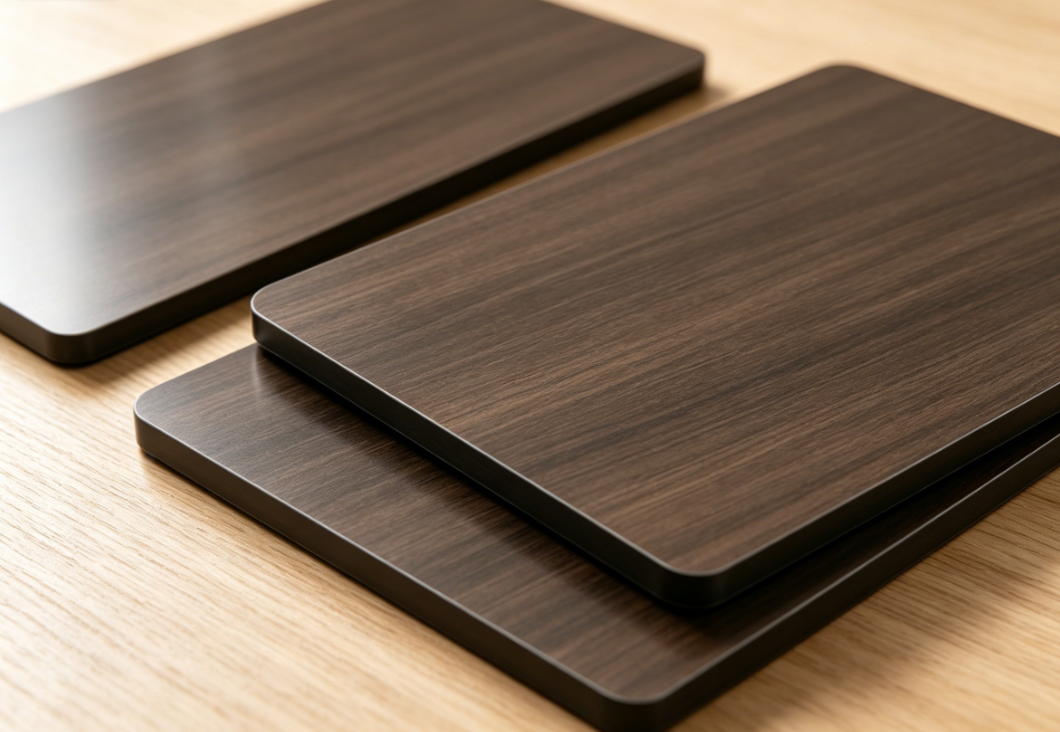
A protective UV coating enhances scratch resistance, stain resistance, and color stability. This surface is easy to clean, making it suitable for hotel corridors, guest rooms, and public areas with high daily traffic.
Decorative Film Layer
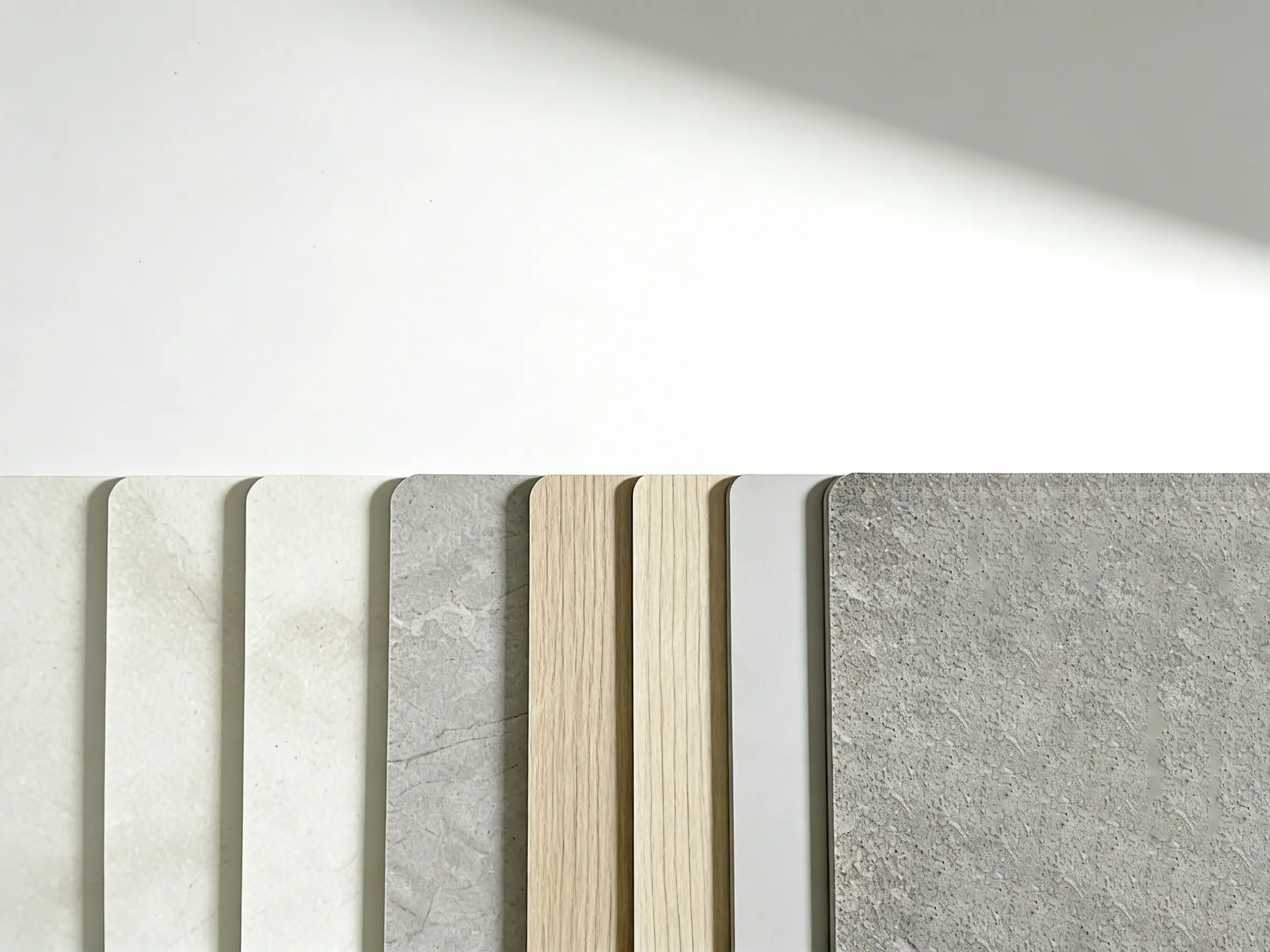
Advanced printing technology creates realistic marble, wood grain, stone, or modern decorative finishes. The decorative layer provides a premium appearance without the maintenance requirements of natural materials.
SPC Composite Core
The core consists of a high-density blend of calcium carbonate and PVC resin, forming a strong Stone Plastic Composite structure. This layer delivers excellent tensile strength, dimensional stability, moisture resistance, and impact resistance while helping improve fire performance.
Stabilizing Bottom Layer
The bottom layer balances the internal structure of the panel, reducing deformation during transportation and installation while ensuring long-term stability after installation.
Together, these engineered layers create a wall system that performs reliably in commercial environments where durability and low maintenance are essential.
Technical Specifications
| Specification | Typical Value |
|---|---|
| Product Type | SPC Stone Plastic Composite Wall Panel |
| Thickness | 4–10 mm |
| Width | 300–600 mm |
| Length | 2400–3000 mm |
| Core Material | Stone Plastic Composite (SPC) |
| Surface Finish | Marble, Wood Grain, Solid Color |
| Water Resistance | Excellent |
| Fire Performance | Fire-retardant (Project specification dependent) |
| Installation | Click-lock System or Adhesive |
| Typical Applications | Hotels, Apartments, Offices, Commercial Buildings |
How SPC Wall Panels Compare with Traditional Wall Materials
Choosing the right wall system is not only about appearance but also about installation efficiency, maintenance costs, and long-term performance. Compared with traditional materials, SPC Wall Panels provide several practical advantages for hotel projects.
Painted gypsum boards are affordable but can absorb moisture, develop cracks, and require frequent repainting. Ceramic tiles offer excellent water resistance but involve heavy materials, longer installation times, and ongoing grout maintenance. PVC wall panels are lightweight but generally provide lower rigidity and impact resistance than SPC products.
SPC Wall Panels combine the strengths of these traditional materials while minimizing their weaknesses. Their waterproof composite structure makes them suitable for humid environments, while the interlocking installation system helps shorten project schedules and reduce labor costs. In addition, the durable surface requires minimal maintenance, helping hotel owners lower operating expenses over the building's lifecycle.
Performance Comparison
| Feature | SPC Wall Panels | Painted Gypsum Board | Ceramic Tiles | PVC Wall Panels |
|---|---|---|---|---|
| Water Resistance | Excellent | Poor | Excellent | Good |
| Fire Performance | High | Moderate | High | Moderate |
| Installation Speed | Fast | Moderate | Slow | Fast |
| Maintenance | Low | High | Moderate | Moderate |
| Impact Resistance | High | Low | High | Moderate |
| Suitable for Hotel Renovation | ✔ Yes | ✘ Limited | △ Depends | ✔ Yes |
For a detailed side-by-side comparison, see our Competitor & Alternative Comparison.
Innovation & Choosing the Right Technical Configuration
Continuous product innovation has significantly improved the performance of modern SPC Wall Panels. Advanced UV coatings, improved fire-retardant formulations, precision extrusion technology, and high-density composite cores all contribute to longer service life and more consistent product quality.
At our factory, we invest in modern production equipment, quality control systems, and product testing to ensure every panel meets international project requirements. Our engineering team can also provide OEM customization, technical drawings, and project support for commercial developments.
Different hotel projects often require different configurations. Luxury hotels may prefer premium decorative finishes with enhanced scratch resistance, while budget hotels often prioritize cost-effective panels with fast installation. For renovation projects, lightweight panels and quick installation systems help reduce room downtime and accelerate project completion.
Now that you understand the technology, learn how to choose the right specifications for your project.
Ready to source? See our Procurement & Cost Guide.
Frequently Asked Questions
Are SPC Wall Panels waterproof?
Yes. Their Stone Plastic Composite core provides excellent moisture resistance, making them suitable for humid environments such as hotels in the Philippines.
Can SPC Wall Panels be installed over existing walls?
In many renovation projects, they can be installed over flat, stable existing wall surfaces, reducing demolition work and shortening installation time.
Are SPC Wall Panels suitable for commercial hotels?
Yes. They are widely used in hotels, apartments, offices, hospitals, and other commercial buildings because of their durability, easy maintenance, and modern appearance.
Why are SPC Wall Panels becoming more popular than traditional wall materials?
They combine fast installation, water resistance, durability, low maintenance, and attractive finishes, helping reduce both construction time and long-term operating costs.
Need Technical Drawings or Test Reports?
Need detailed technical drawings or test reports for SPC Stone Plastic Composite Wall Panels?
Contact our engineering team for:
- Full Technical Specifications
- OEM Project Solutions
- Technical Drawings
- Installation Guidance
- Sample Support
- Download Technical Datasheet
Official Website: www.mrsalufactory.com
WhatsApp: +86 18125732529
Email: wuyuqin2025@gmail.com
SPC Stone-Plastic Composite Wall Panels Industry Insight & Buyer Guide | Southeast Asia 2026