Carbon Crystal Board Technology Explained: How It Works & Why It Matters
Brief Description
This Deep dive analysis of Carbon Crystal Board reveals its high durability, fire-rated performance, and moisture resistance, positioning it as a superior to conventional interior materials in modern construction. As a direct factory supply solution, it demonstrates how engineered surface systems outperform traditional gypsum, wood, and ceramic finishes in Vietnam’s fast-growing building sector.
Detailed Description
1. Core Technology Behind Carbon Crystal Board
Carbon Crystal Board is an engineered interior finishing system, not just a decorative panel. In modern construction frameworks across Vietnam, it functions as a dry-installed wall and ceiling solution system, replacing wet-process materials such as plaster, paint, and cement-based finishing.
APP Logic (Agree–Problem–Preview)
-
Agree: Traditional interior finishing methods like gypsum plastering and wood paneling are widely used.
-
Problem: These systems suffer from long installation cycles, moisture sensitivity, cracking, and high maintenance costs.
-
Preview: Carbon Crystal Board solves these issues through a composite structural design that enhances durability, speed, and stability.
This system is especially relevant in Vietnam’s residential apartments, commercial spaces, hotels, and renovation projects where fast construction speed and labor efficiency are critical.
2. Structural Characteristics & Material Composition
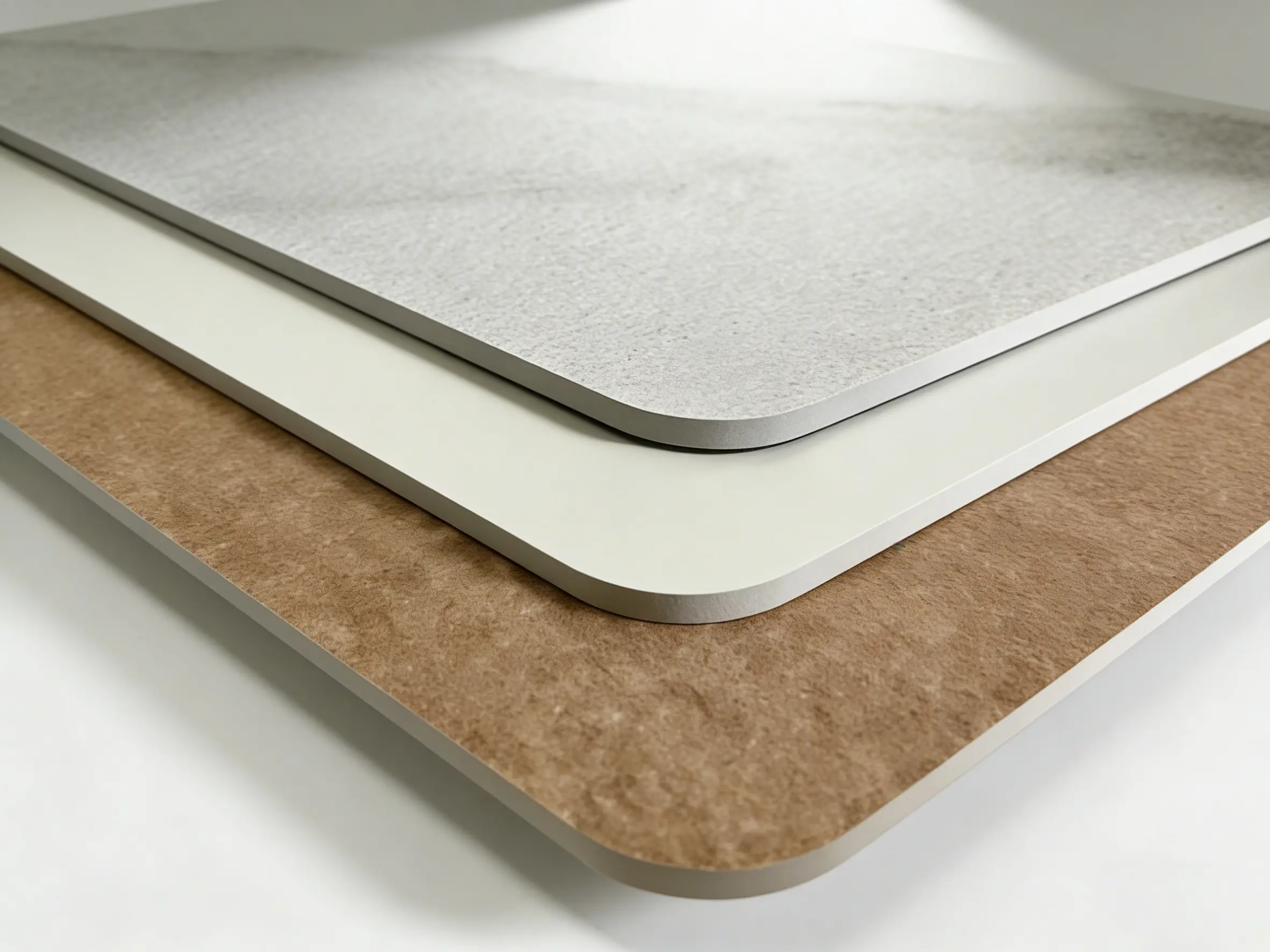
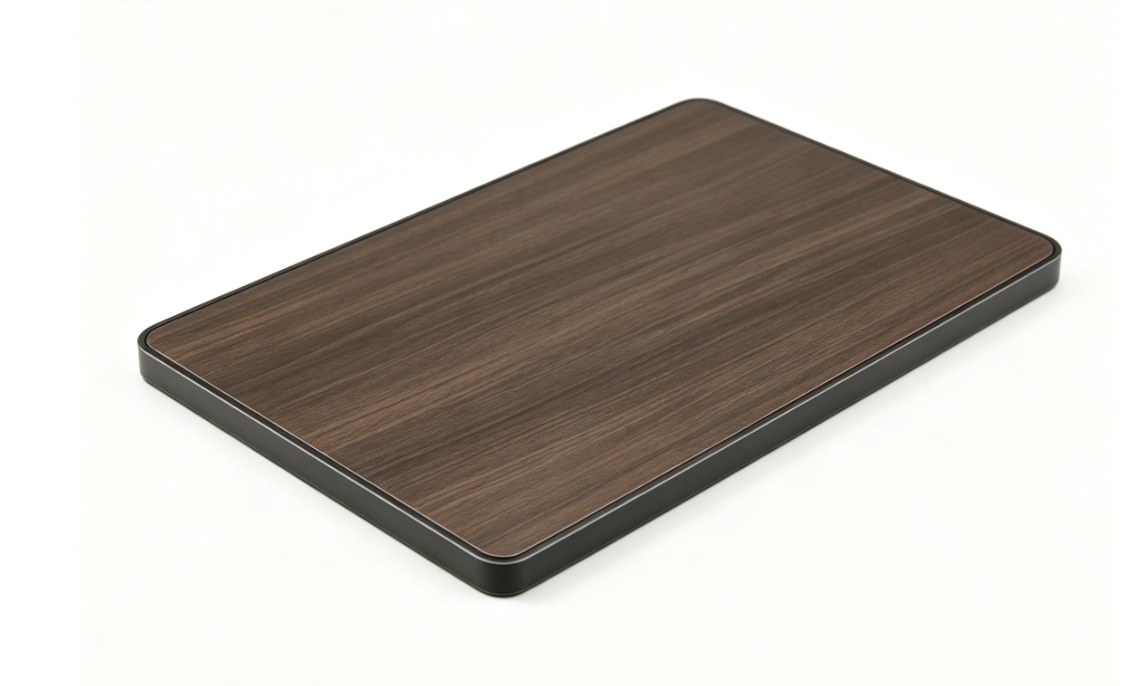
Carbon Crystal Board is built using a multi-layer composite structure, designed to optimize mechanical strength and surface stability.
Layer-by-Layer Structure
-
Surface Layer: UV-resistant decorative film with scratch-resistant coating
-
Middle Layer: High-density carbon crystal polymer composite core
-
Bottom Layer: Reinforced balancing layer for structural stability
Technical Composition Logic
-
Composite Structure: Ensures dimensional stability under humidity changes
-
Fire-Retardant Core: Improves safety performance in commercial buildings
-
Surface Treatment: Enhances scratch resistance and long-term aesthetics
-
Tensile Strength Optimization: Prevents cracking and deformation under stress
Technical Specification Table
| Parameter | Specification |
|---|---|
| Thickness | 5–9 mm |
| Density | 1.2–1.8 g/cm³ |
| Fire Rating | B1 / Fire-retardant |
| Water Resistance | High humidity resistant |
| Installation Method | Dry installation system |
| Maintenance Cycle | Low maintenance |
The honeycomb-like composite behavior of the core layer contributes to its lightweight yet high-strength performance, making it ideal for large-scale interior applications.
3. How Carbon Crystal Board Compares to Traditional Alternatives
Gypsum vs Carbon Crystal Board
-
Gypsum requires wet installation and long curing time
-
Carbon Crystal Board enables instant dry installation
-
Gypsum is prone to cracking under humidity
-
Carbon Crystal Board maintains structural stability in tropical climates like Vietnam
Wood vs Carbon Crystal Board
-
Wood is sensitive to moisture, termites, and deformation
-
Carbon Crystal Board offers stable dimensional performance and anti-moisture properties
-
Wood requires frequent maintenance and coating renewal
-
Carbon Crystal Board significantly reduces lifecycle maintenance cost
Ceramic Tile vs Carbon Crystal Board
-
Ceramic tiles are heavy and brittle under impact
-
Carbon Crystal Board is lighter and impact-resistant
-
Tile installation is labor-intensive and slow
-
Carbon Crystal Board improves installation speed by over 50% in interior finishing systems
For a detailed side-by-side comparison, see our Competitor & Alternative Comparison guide.
4. Innovation & R&D Breakthroughs
Carbon Crystal Board technology continues to evolve through continuous material engineering and surface technology upgrades.
Key innovations include:
-
Nano-level surface treatment technology improving scratch and stain resistance
-
Enhanced fire-resistant composite formulation achieving improved safety classification
-
Humidity-adaptive structural stabilization system optimized for Southeast Asian climates
Manufacturing systems supporting this product include:
-
Dedicated R&D laboratories for material stress testing
-
Continuous fire resistance and durability simulation testing
-
OEM customization capabilities for different architectural applications
These advancements ensure Carbon Crystal Board remains competitive in modern sustainable construction markets.
5. Choosing the Right Technical Configuration
Selecting the correct specification depends on application type and project scale.
Recommended Configuration Guide
-
Residential Projects: Standard density board with decorative finish
-
Commercial Buildings: High-density fire-rated version for safety compliance
-
Hotel Interiors: Premium surface coating for aesthetic durability
-
Renovation Projects: Thin-panel configuration for quick retrofit installation
Now that you understand the technology, learn how to choose the right specs in our Carbon Crystal Board selection guide.
Ready to source? See our Procurement & Cost Guide for full project budgeting insights.
Fixed Cooperation Information (CTA Section)
Need detailed technical drawings or test reports for Carbon Crystal Board? Contact our engineering team for Full Specifications and OEM Project Solutions.
-
Official Website: www.mrsalufactory.com
-
WhatsApp: +86 18923111901
-
Email: mrsaluwinnie@gmail.com
Carbon Crystal Board Engineering & Material Science Explained: Structural System, Performance Mechanism & Construction Applications
Industry Insight: LED Skirting Board Procurement Strategy for Vietnam Construction Projects