Carbon Crystal Board Engineering & Material Science Explained: Structural System, Performance Mechanism & Construction Applications

Detailed Description
1. Core Technology Behind Carbon Crystal Board
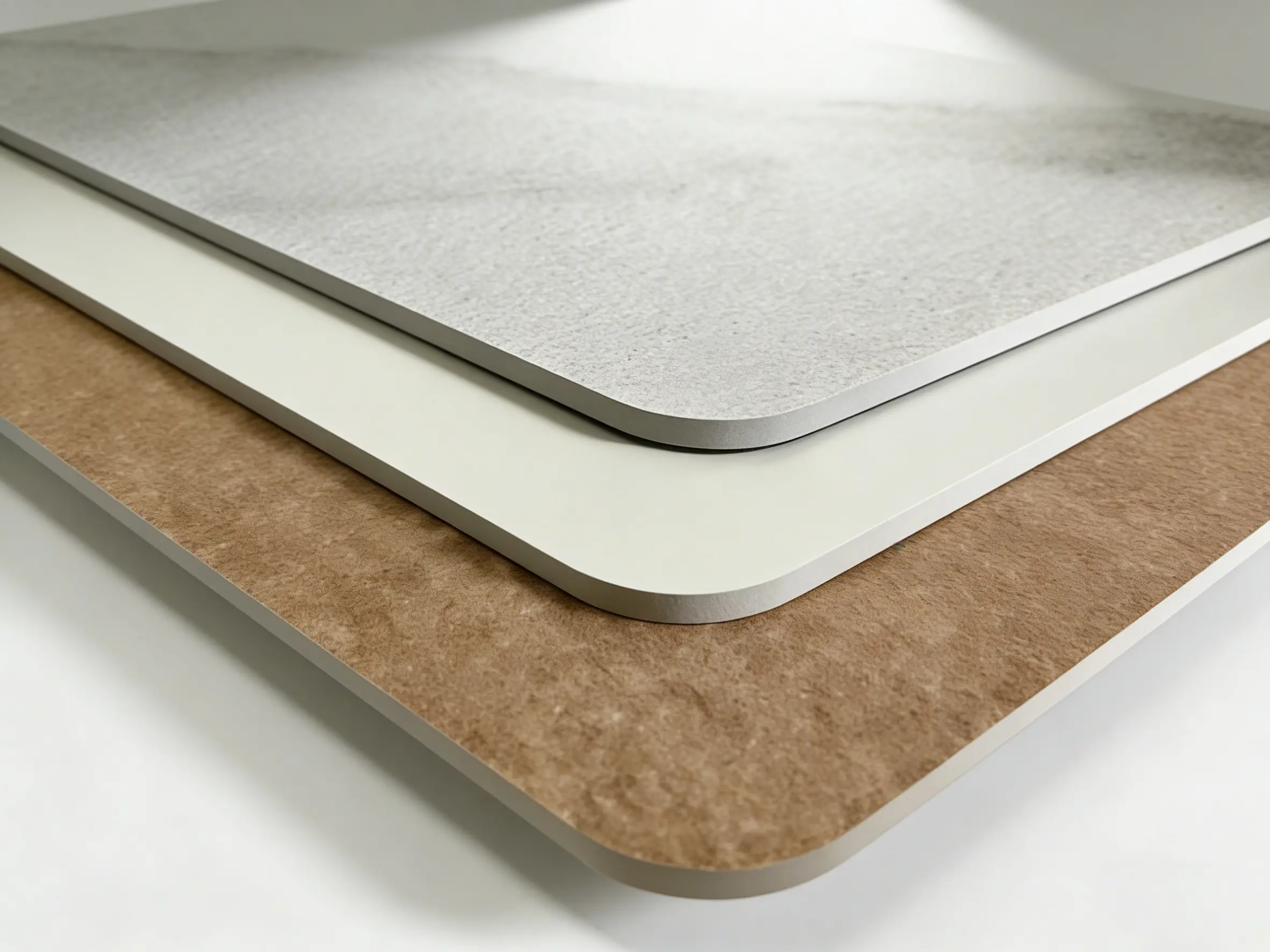
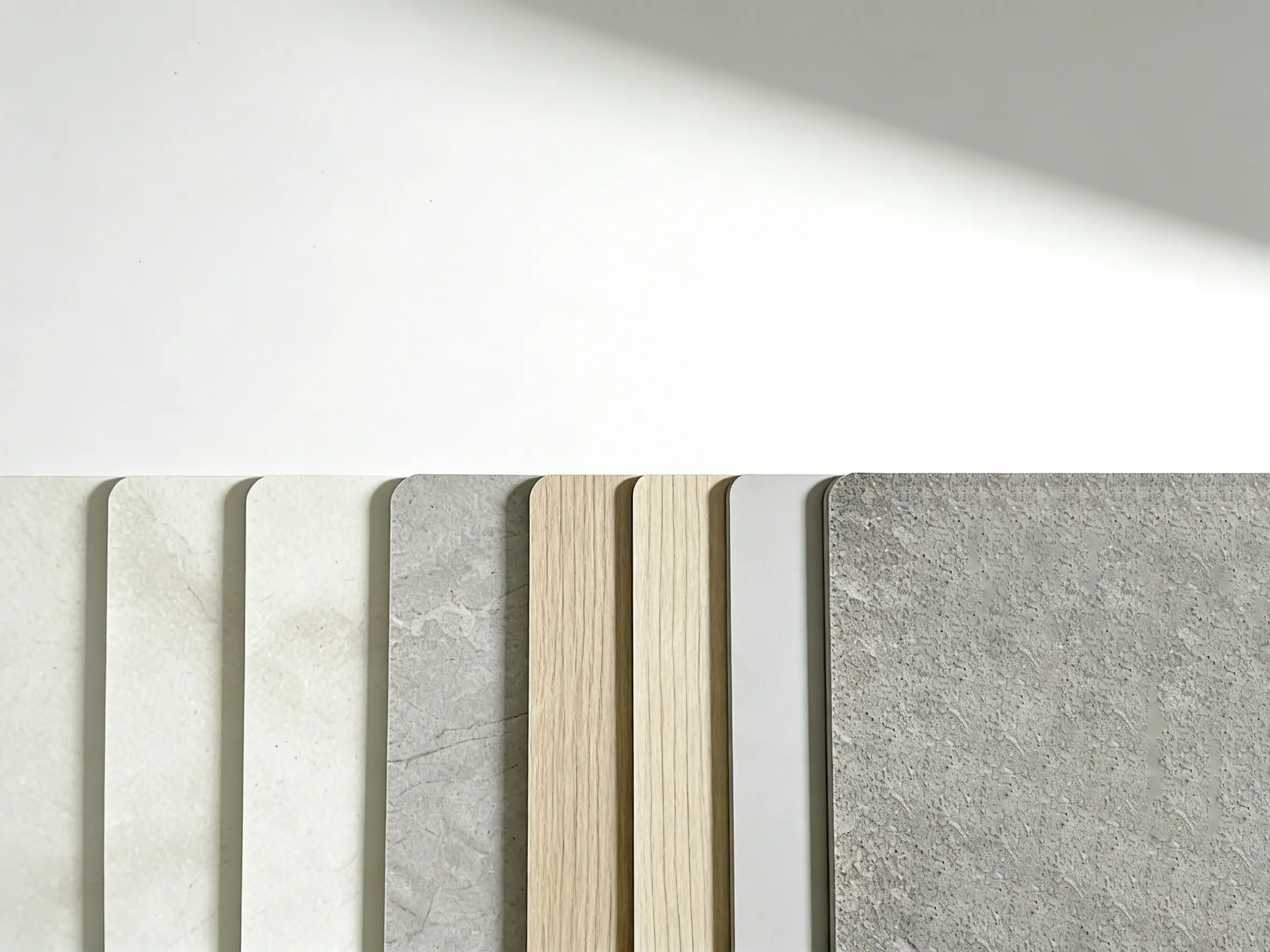
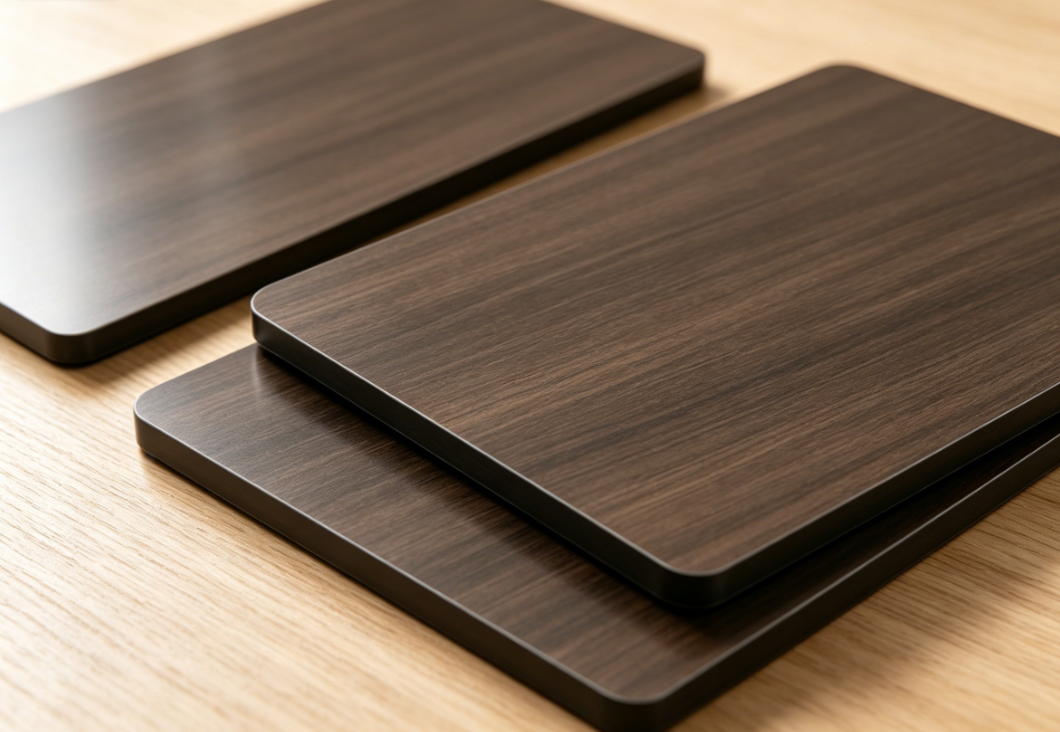
Carbon Crystal Board is a multi-layer engineered composite panel system, designed as an integrated interior architectural solution rather than a single construction material. Its development aligns with modern building demands: faster installation cycles, lower lifecycle maintenance cost, and improved environmental stability.
In conventional construction systems, material limitations remain structurally inherent:
-
Gypsum board relies on brittle calcium sulfate crystallization
-
Solid wood depends on natural fiber anisotropy and is moisture-sensitive
-
Ceramic tile uses rigid sintering but lacks flexibility and installation efficiency
Carbon Crystal Board addresses these constraints through composite material engineering + surface functionalization technology, integrating mechanical stability with decorative performance.
Engineering Logic (APP Framework)
-
Agreement: Traditional materials remain widely used due to cost and familiarity
-
Problem: They introduce structural instability, water absorption risk, and labor inefficiency
-
Preview: Carbon Crystal Board resolves these issues through layered composite architecture and industrial manufacturing control
2. Structural Characteristics & Material Composition (Layered Engineering System)
Carbon Crystal Board adopts a multi-phase composite structure, where each layer is engineered for a specific physical and chemical function.
Structural Layer System:
1. Functional Surface Layer (Decorative + Protective)
-
UV-resistant polymer coating
-
Nano anti-scratch treatment layer
-
Hydrophobic surface treatment (improves stain resistance)
2. Structural Core Layer (Load & Stability Engine)
-
Carbon crystal composite matrix
-
High-density polymer reinforcement network
-
Micro-fiber stabilization structure
3. Balancing Back Layer (Dimensional Control Layer)
-
Anti-warp stabilization substrate
-
Thermal expansion balancing material
-
Adhesion-optimized bonding interface
Engineering Performance Mechanism:
-
Composite matrix → distributes stress evenly
-
Polymer reinforcement → increases tensile strength
-
Nano surface treatment → reduces surface energy, improves cleanliness
-
Dimensional balancing layer → prevents deformation under humidity fluctuation
Technical Specification Table (Engineering-Level)
3. Comparative Engineering Analysis vs Traditional Materials
From a materials science perspective, Carbon Crystal Board is positioned as a hybrid engineered substitute system, replacing multiple conventional finishing materials.
Gypsum vs Carbon Crystal Board
-
Gypsum: calcium sulfate crystalline brittleness, low tensile strength
-
Carbon Crystal Board: polymer-reinforced composite matrix with stress dispersion capability
Solid Wood vs Carbon Crystal Board
-
Wood: anisotropic fiber structure, moisture swelling behavior
-
Carbon Crystal Board: isotropic engineered composite with controlled expansion rate
Ceramic Tile vs Carbon Crystal Board
-
Ceramic: rigid sintered structure, brittle under impact
-
Carbon Crystal Board: flexible composite absorption layer reduces fracture risk
Performance Benchmark Table
| Property | Gypsum | Solid Wood | Ceramic Tile | Carbon Crystal Board |
|---|---|---|---|---|
| Structural Strength | Low | Medium | High (brittle) | High (reinforced composite) |
| Moisture Stability | Low | Low | High | Very High |
| Installation Efficiency | High | Medium | Low | Very High |
| Maintenance Requirement | Medium | High | Medium | Low |
| Lifecycle Cost | Medium | High | Medium | Low |

4. Innovation & R&D Engineering Breakthroughs
Carbon Crystal Board technology is driven by continuous advancements in polymer composite engineering and surface material science.
Key Technological Innovations:
-
Nano-modified surface coating system
Enhances scratch resistance and reduces surface contamination adhesion. -
High-pressure composite compression technology
Improves internal density uniformity and mechanical strength consistency. -
Thermo-stable polymer bonding interface
Reduces delamination risk under long-term thermal cycling.
Industrial R&D Capability:
-
Advanced material testing laboratories (fire, humidity, load simulation)
-
Continuous batch consistency validation system
-
OEM customization engineering for architectural projects
These capabilities ensure repeatable performance at scale, which is critical for commercial construction supply chains.
5. Engineering-Based Selection Guidance (Application Configuration Logic)
Carbon Crystal Board configurations are selected based on project engineering requirements rather than aesthetics alone:
-
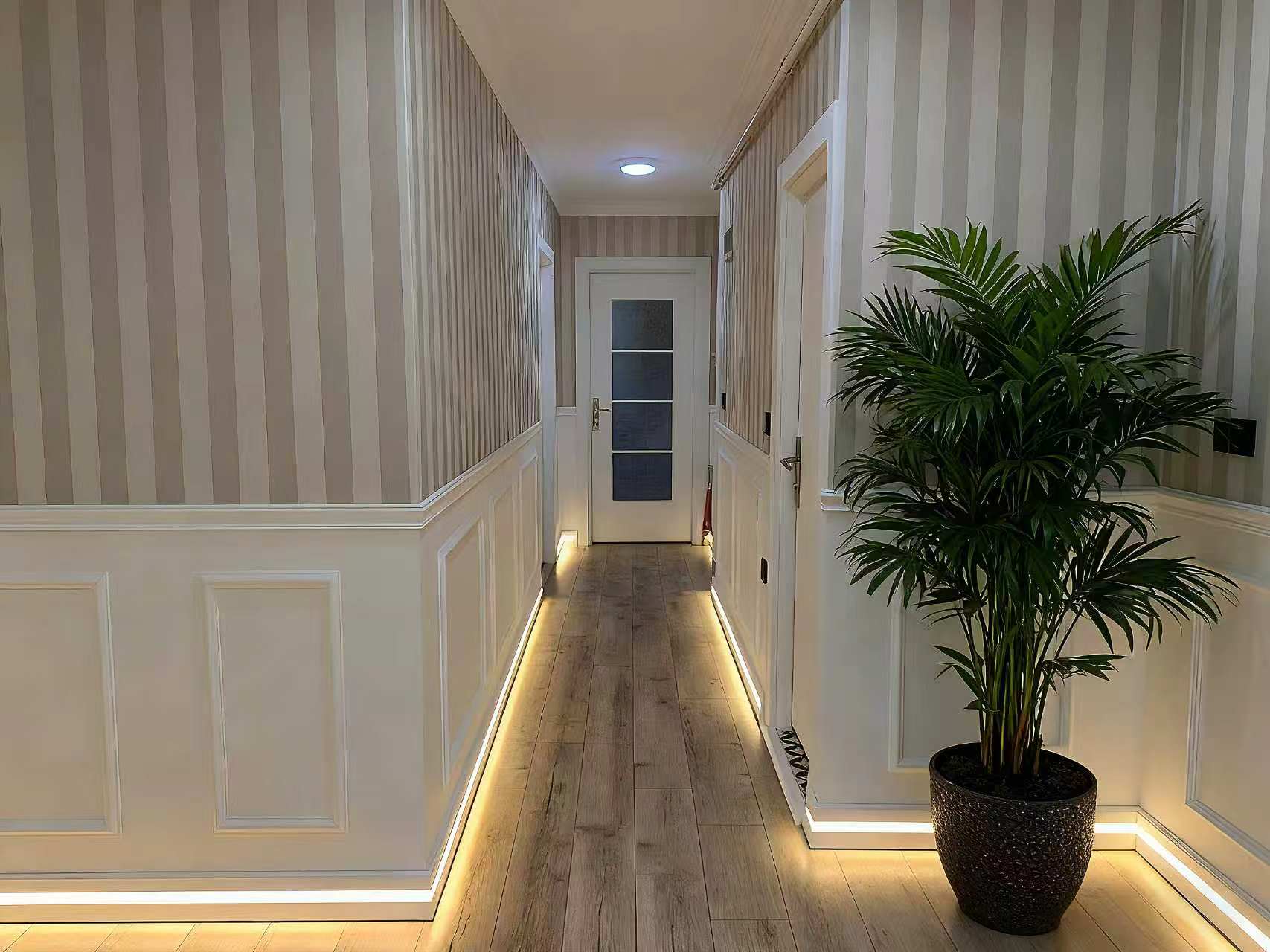
Residential systems: optimized for cost-performance balance and fast installation
-
Commercial interiors: reinforced structural grade for durability and traffic resistance
-
Hospitality environments: enhanced moisture + fire-resistant formulations for safety compliance
From an engineering perspective, selection should prioritize:
-
Load condition
-
Environmental humidity exposure
-
Fire safety classification requirements
-
Installation cycle constraints
CTA Section
Need detailed technical drawings, engineering test reports, or OEM customization for Carbon Crystal Board?
-
Official Website: www.mrsalufactory.com
-
WhatsApp: +86 18923111901
-
Email: mrsaluwinnie@gmail.com
SPC Stone-Plastic Composite Wall Panels Industry Insight & Buyer Guide | Southeast Asia 2026
Carbon Crystal Board Technology Explained: How It Works & Why It Matters