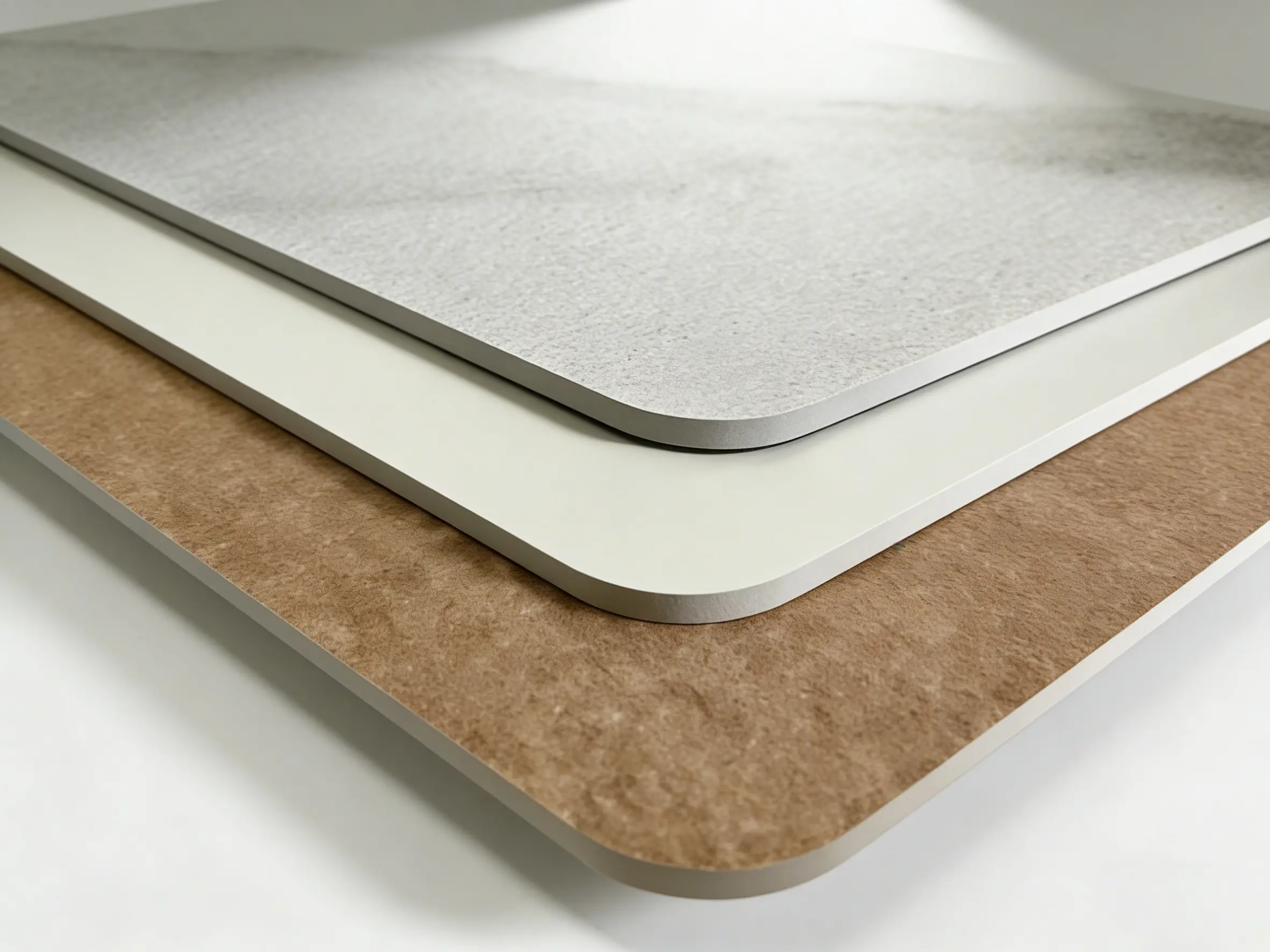
SPC Stone-Plastic Composite Wall Panels Industry Insight & Buyer Guide | Southeast Asia 2026

Industry Insight: SPC Stone-Plastic Composite Wall Panels Procurement Strategy for Southeast Asia Construction Projects
Brief Description
Why are SPC Stone-Plastic Composite Wall Panels becoming an important solution for Southeast Asia construction projects? This industry analysis explores cost control challenges, supply chain transparency, and quality requirements while helping contractors and distributors evaluate China Manufacturer and B2B Supplier options based on local construction codes and market requirements.
Main Content
1. Critical Industry Challenges in Modern Construction
The construction industry in Southeast Asia is experiencing rapid development driven by urbanization, commercial expansion, residential projects, and infrastructure investment. However, contractors, distributors, and developers are facing increasing pressure from material cost fluctuations, labor shortages, and stricter project quality requirements.
Cost Fluctuation and Material Price Uncertainty
Price volatility has become a major challenge for construction procurement teams. Traditional wall finishing materials often experience unstable pricing due to raw material fluctuations, transportation costs, and regional supply limitations.
For projects with strict budgets, such as office buildings, shopping malls, hotels, and industrial facilities, unpredictable material costs can directly affect:
- Project profitability
- Construction schedules
- Budget planning accuracy
- Long-term maintenance expenses
SPC Stone-Plastic Composite Wall Panels provide an alternative approach by combining stable composite material technology with standardized manufacturing processes, helping buyers improve cost forecasting and procurement efficiency.
Supply Chain Transparency Risks
Many Southeast Asian buyers face difficulties when sourcing construction materials internationally, including:
- Unclear production capacity
- Inconsistent product quality
- Lack of technical documentation
- Unstable delivery schedules
- Limited after-sales communication
For large-scale construction projects, supply chain reliability is not only a purchasing issue but also a project risk management factor.
A professional SPC Stone-Plastic Composite Wall Panels supplier should provide transparent production information, quality inspection procedures, packaging standards, and logistics tracking systems to reduce uncertainty throughout the procurement process.
2. Buyer Needs & Decision-Making Factors
Different purchasing roles evaluate SPC Stone-Plastic Composite Wall Panels from different perspectives. Understanding these decision factors helps companies select suitable solutions for specific project requirements.
Contractors: Installation Efficiency and Technical Support
Contractors usually focus on:
- Installation speed
- Construction convenience
- Material consistency
- Technical guidance
- Project support
Compared with traditional wet construction methods, SPC wall panel systems typically support dry installation processes, reducing dependence on skilled labor and shortening project preparation time.
For contractors handling multiple projects, installation efficiency directly affects labor costs and project delivery schedules.
Distributors: Profit Margins and Supply Stability
Distributors are more concerned with:
- Wholesale pricing structure
- Product availability
- Market demand
- Inventory management
- Regional sales potential
A reliable SPC Stone-Plastic Composite Wall Panels factory should offer:
- Stable production capacity
- Flexible MOQ options
- OEM/ODM customization
- Consistent product specifications
- Export experience
These factors help distributors build sustainable regional supply channels.
Developers: Durability and Compliance Requirements
Developers generally prioritize long-term value, including:
- Service life
- Maintenance requirements
- Fire safety performance
- Environmental standards
- Building compliance
Important technical considerations may include:
- Fire resistance classification
- Formaldehyde emission standards
- Moisture resistance testing
- Surface durability evaluation
- Environmental certification
-

3. Product Value & Practical Performance Advantages
Traditional Materials vs. SPC Stone-Plastic Composite Wall Panels
Traditional wall finishing materials such as gypsum boards, wallpaper systems, ceramic finishes, and painted surfaces may face challenges in humid Southeast Asian environments.
| Comparison Factor | Traditional Wall Materials | SPC Stone-Plastic Composite Wall Panels |
|---|---|---|
| Installation Method | Wet construction processes | Dry installation system |
| Moisture Resistance | Depends on material type | High moisture stability |
| Maintenance | Frequent repairs may be required | Lower maintenance demand |
| Construction Speed | Longer installation cycles | Faster installation process |
| Surface Design | Limited customization | Multiple decorative finishes |
Total Cost of Ownership Optimization
The purchase price of construction materials is only one part of project cost evaluation.
Professional buyers increasingly consider Total Cost of Ownership (TCO), which includes:
- Initial material cost
- Installation labor cost
- Construction time
- Maintenance expenses
- Replacement frequency
SPC Stone-Plastic Composite Wall Panels can improve overall project economics by reducing installation complexity and providing stable long-term performance.
For commercial projects, a material with predictable performance often creates greater value than choosing the lowest initial price.
4. Real-World Applications & Implementation Logic
SPC Stone-Plastic Composite Wall Panels are suitable for various construction environments across Southeast Asia due to their composite structure and practical installation advantages.
Office Buildings
Modern offices require:
- Clean interior appearance
- Fast renovation capability
- Low maintenance requirements
SPC wall panels can support efficient interior upgrades while maintaining consistent decorative performance.
Shopping Malls and Retail Spaces
Retail projects often operate under strict timelines. Fast installation and reduced construction disruption are important factors.
SPC panels can be applied for:
- Feature walls
- Interior decoration areas
- Commercial renovation projects
Industrial Parks and Public Facilities
Industrial and public buildings require materials with:
- Stable performance
- Easy cleaning characteristics
- Long service life
SPC Stone-Plastic Composite Wall Panels can provide a practical finishing solution for large-scale applications.
Hospitality Projects
Hotels and hospitality spaces require balance between design flexibility and durability.
Applications include:
- Guest room decoration
- Lobby wall finishing
- Interior feature areas
The ability to customize surface textures allows designers to achieve different visual styles while maintaining functional performance.
5. Supply Chain Insights & China Manufacturing Advantage
China has become an important global manufacturing center for construction materials due to mature industrial infrastructure and large-scale production capabilities.
Mass Production Capability
Experienced SPC Stone-Plastic Composite Wall Panels manufacturers can provide:
- Stable production capacity
- Standardized manufacturing processes
- Quality control systems
- Large project supply capability
For international buyers, factory production scale can reduce supply risks during large construction projects.
OEM/ODM Customization
Different markets require different product specifications.
Professional factories can support:
- Customized dimensions
- Surface patterns
- Color options
- Packaging requirements
- Branding solutions
This flexibility helps distributors develop localized product strategies.
Logistics Reliability and Packaging Standards
International construction material supply requires reliable export processes, including:
- Moisture-resistant packaging
- Protective corner protection
- Container loading optimization
- Export documentation management
A transparent logistics system helps buyers improve delivery planning and project coordination.

6. Market Positioning & Business Opportunities in Southeast Asia
The Southeast Asian construction market contains multiple material segments, from economical solutions to premium architectural products.
Value Segment Opportunities
In price-sensitive markets, SPC Stone-Plastic Composite Wall Panels can compete through:
- Installation efficiency
- Lower maintenance costs
- Stable supply availability
This creates opportunities for distributors serving residential and commercial renovation markets.
High-Performance Segment Opportunities
For premium projects, buyers increasingly evaluate:
- Material technology
- Environmental performance
- Fire safety
- Long-term durability
SPC panels with reliable technical documentation can support applications requiring higher quality standards.
Opportunities for Regional Partners
Potential business opportunities include:
- Local distribution partnerships
- Engineering project supply
- Contractor cooperation
- Customized product programs
As construction methods continue shifting toward faster and cleaner installation systems, demand for advanced wall finishing materials is expected to increase.
7. Expert Insight: Strategic Procurement Advice
Selecting SPC Stone-Plastic Composite Wall Panels requires more than comparing product prices. Professional procurement should evaluate technical performance, factory capability, and long-term supply reliability.
Avoid Common Purchasing Mistakes
Mistake 1: Choosing Only Based on Lowest Price
The lowest quotation may not represent the lowest project cost.
Buyers should evaluate:
- Material composition
- Density consistency
- Surface treatment quality
- Production standards
- Warranty policy
Mistake 2: Ignoring Technical Certifications
Before purchasing, buyers should request relevant technical documents, such as:
- Fire rating reports
- Formaldehyde emission testing
- Environmental certification
- Quality inspection reports
For example:
- Class A fire rating standards
- E0/E1 environmental grades
- ASTM testing reports
- ISO quality management systems
These documents help confirm product suitability for commercial applications.
Mistake 3: Not Reviewing Factory Capability
Before cooperation, buyers should evaluate:
- Factory production lines
- Quality control procedures
- Sample approval process
- Export experience
- Customer support capability
Advanced Procurement Recommendations
A professional sourcing process should include:
- Define project requirements before purchasing.
- Request product samples for evaluation.
- Confirm technical specifications.
- Review factory production capacity.
- Compare total project costs instead of unit prices.
- Establish clear communication regarding delivery schedules.
Strategic procurement helps contractors, distributors, and developers reduce project risks while building reliable long-term supply relationships.
CTA Section
Strategic sourcing starts with a reliable partner. Contact our technical team for a Customized Project Proposal and Wholesale Pricing.
Official Website: www.mrsalufactory.com
WhatsApp: +86 18923111901
Email: mrsaluwinnie@gmail.com
Exploring SPC Stone Plastic Composite Wall Panels: A Deep Dive into Engineering Design and Material Properties for Hotel Projects
Carbon Crystal Board Engineering & Material Science Explained: Structural System, Performance Mechanism & Construction Applications