Industry Insight: Aluminum Honeycomb Wall Panel Buyer Guide for Construction Projects in South Africa
Industry Challenges in Construction
The construction industry continues to face increasing pressure from rising labor costs, fluctuating material prices, and complex logistics systems. In many projects, delays are caused by inconsistent material quality or unreliable delivery schedules, which directly impact timelines and budgets. In South Africa, dependence on imported construction materials can also create supply chain instability, leading to shortages and longer lead times.
Fast-track project demands require materials that are not only durable but also easy to install and transport. However, traditional materials often fail to meet these requirements, resulting in higher labor costs and extended construction periods. These challenges are pushing contractors and developers to seek advanced solutions like Aluminum Honeycomb Wall Panel, which offer consistency, efficiency, and performance stability.
Buyer Needs and Decision Factors
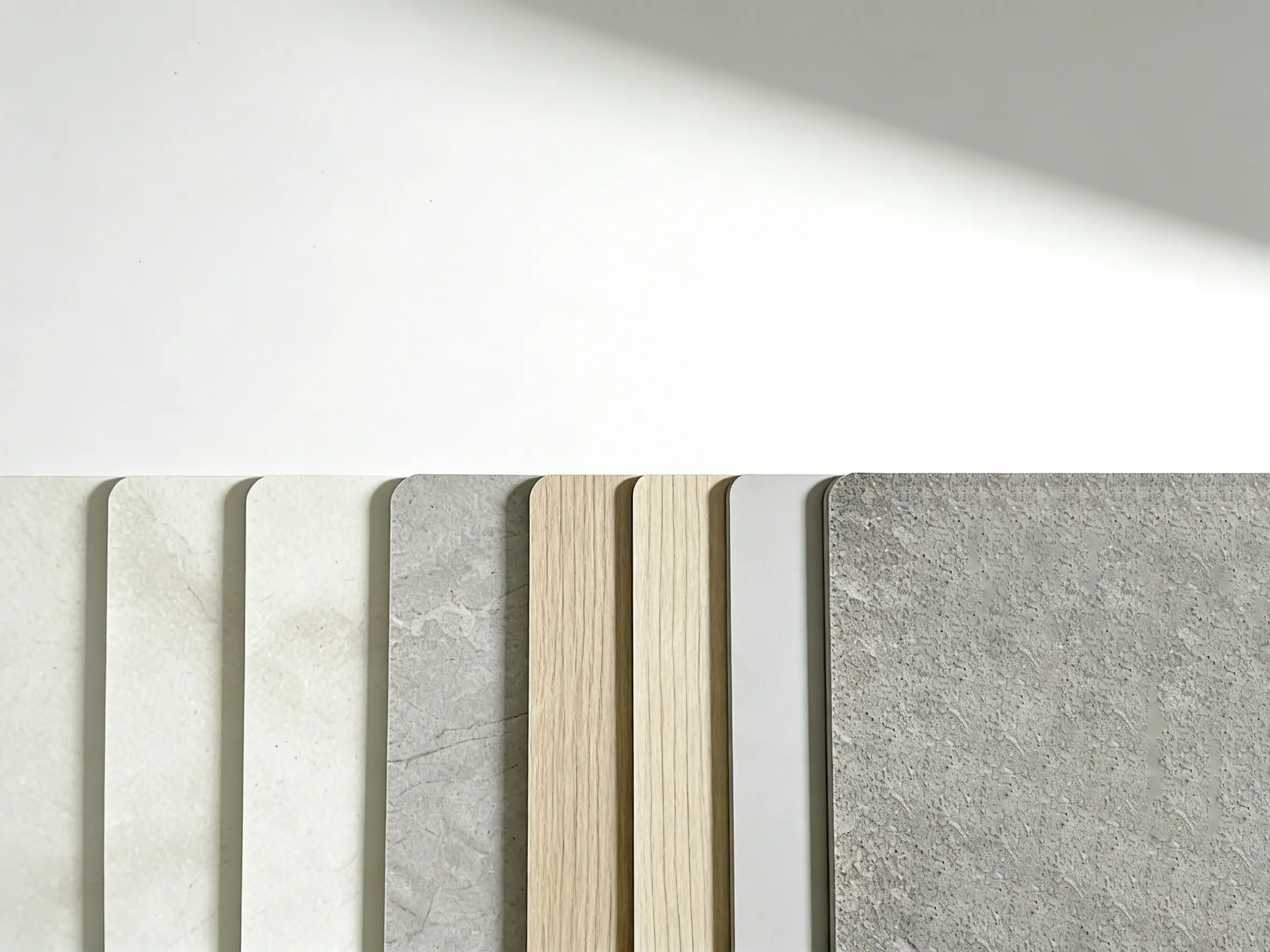
For contractors, developers, and distributors, purchasing decisions are no longer based solely on price. Instead, buyers evaluate the balance between cost and performance, ensuring that materials deliver long-term value. Bulk order capability has become essential for large-scale projects, while OEM customization allows developers to meet specific design and branding requirements.
Contractors prioritize fast delivery and ease of installation to reduce labor costs, while developers focus on durability and design flexibility. Distributors, on the other hand, look for stable supply chains and competitive pricing structures to maintain profitability. Reliable suppliers who can guarantee consistent quality and delivery timelines are becoming key partners in the procurement process.
Product Value and Practical Advantages
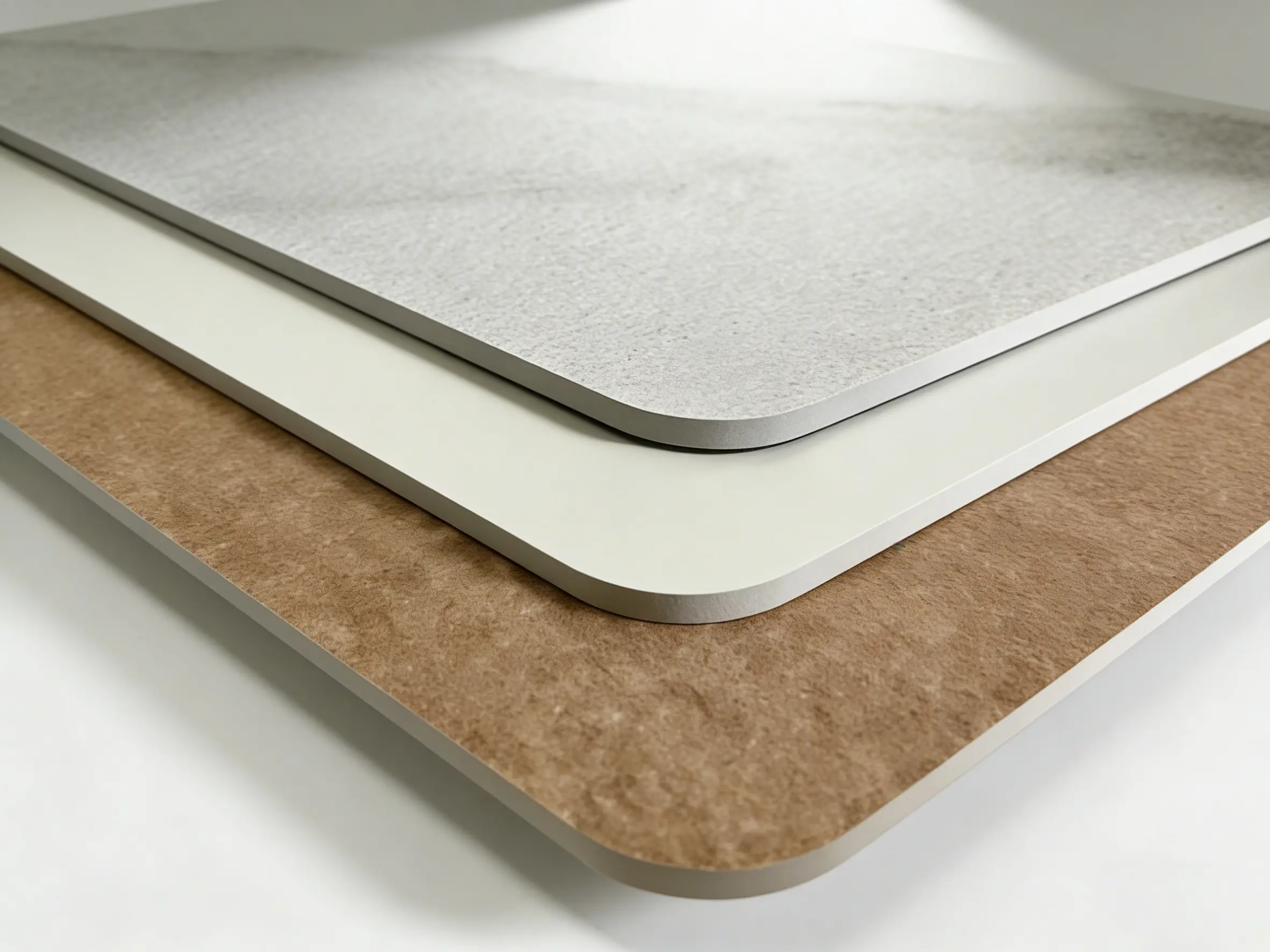
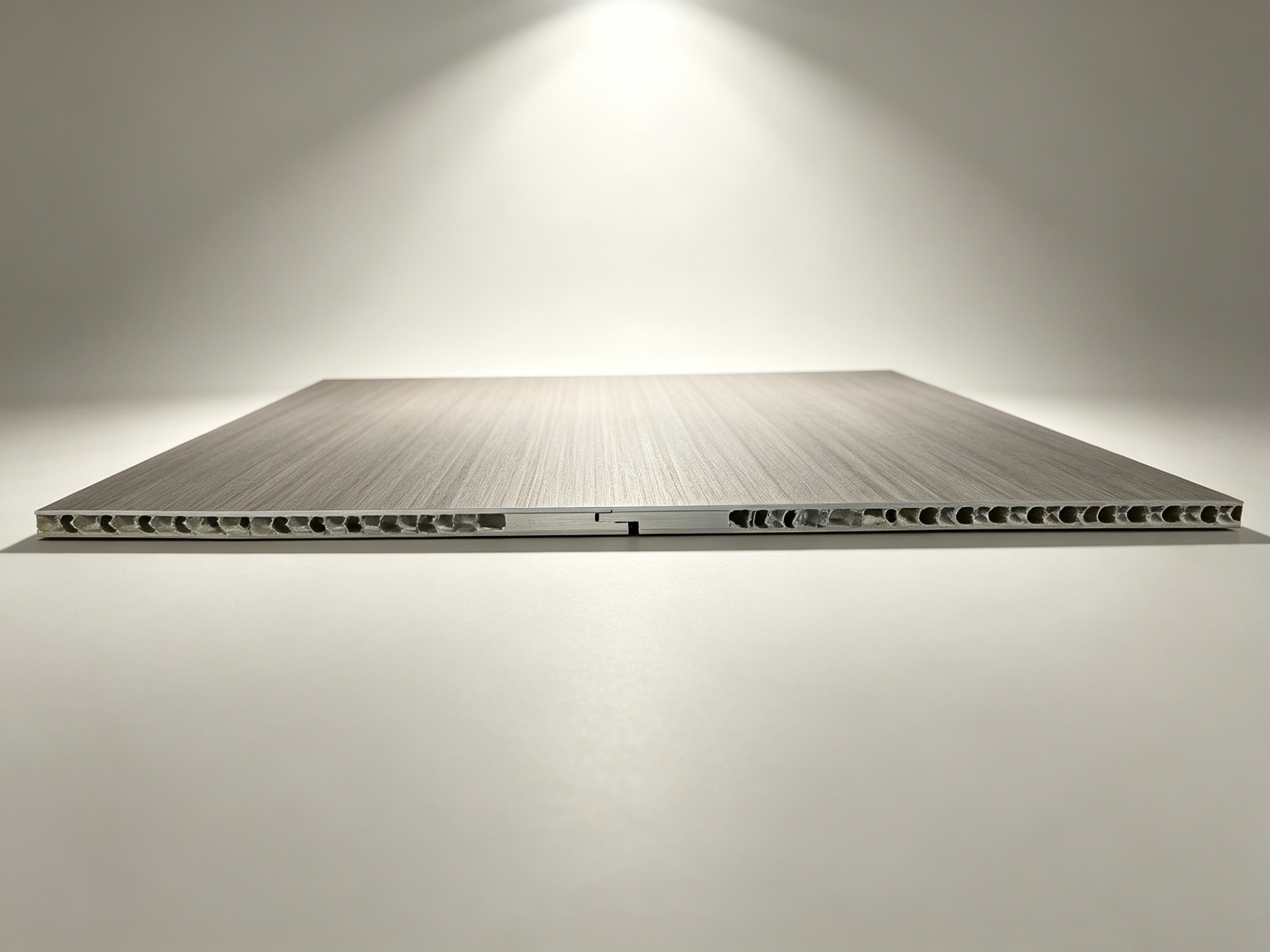
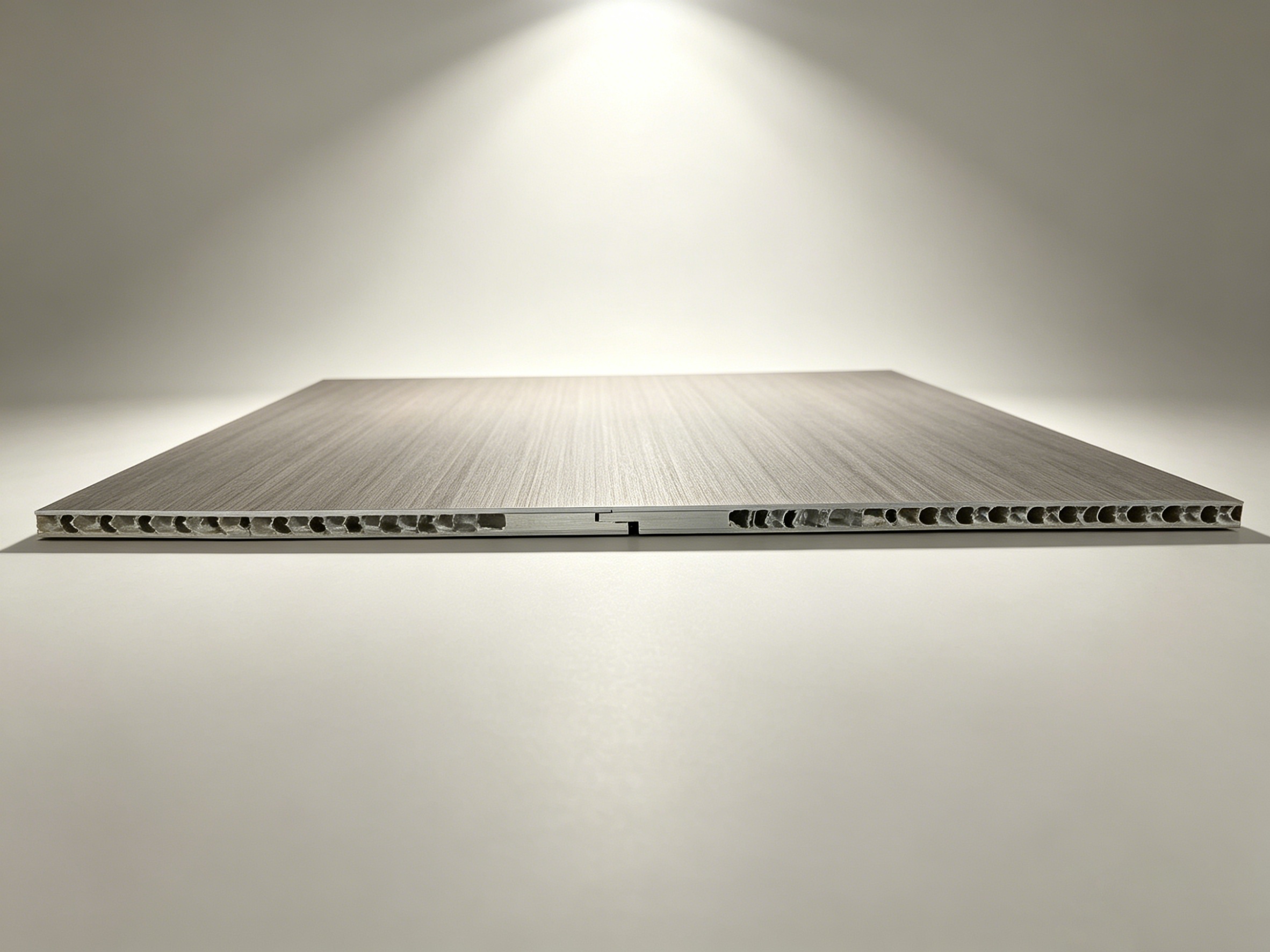
Compared to traditional materials such as brick, wood, and cement, Aluminum Honeycomb Wall Panel systems offer significant advantages in both performance and efficiency. Their lightweight structure reduces transportation costs and simplifies installation, leading to faster project completion. At the same time, their high strength ensures durability and long-term structural stability.
From a practical perspective, these panels reduce labor requirements and minimize on-site construction complexity. This results in lower overall project costs and improved efficiency, especially in large-scale developments. Their adaptability also allows them to meet the needs of various architectural designs, making them a preferred solution for modern construction projects.
Real Applications and Use Logic
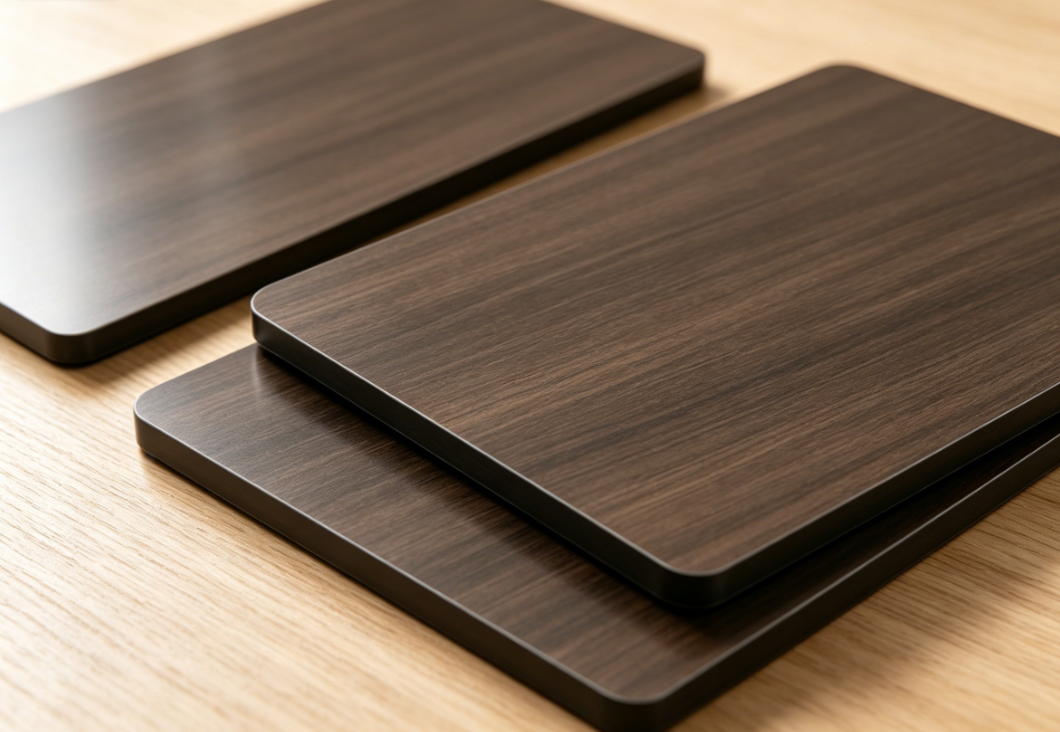
In hotel projects, Aluminum Honeycomb Wall Panels are widely used for interior wall cladding due to their clean finish and durability, ensuring long-lasting aesthetics in high-traffic areas. In commercial buildings, these panels provide a balance between structural strength and modern design, making them ideal for lobbies, corridors, and public spaces.
For office towers and shopping malls, the panels are selected for their lightweight properties and ease of installation, which help accelerate construction timelines. Their ability to maintain consistent quality across large surface areas makes them suitable for projects that require both visual uniformity and performance reliability. These application scenarios demonstrate how the material meets real-world project demands.
Supply Chain and B2B Cooperation Insights
China-based manufacturing plays a significant role in the global supply of Aluminum Honeycomb Wall Panels, offering strong production capacity and competitive pricing. Many factories provide OEM and ODM services, allowing buyers to customize specifications, finishes, and sizes according to project requirements.
Long-term partnerships between manufacturers, distributors, and contractors help ensure stable bulk supply and consistent product quality. Reliable logistics systems and international shipping capabilities further support project timelines. For B2B buyers, working with an experienced factory can significantly reduce procurement risks and improve overall efficiency.
Market Positioning and Business Opportunities
The market for Aluminum Honeycomb Wall Panels can be divided into low, mid, and high-end segments, each targeting different project requirements and budgets. High-end projects prioritize quality, design, and durability, while mid-range markets focus on cost-performance balance.
In South Africa, growing urbanization and commercial development are creating strong demand for modern construction materials. Distributors have opportunities to expand by offering bulk supply solutions and targeting large-scale projects. Profit margins can be optimized through efficient sourcing, strategic partnerships, and value-added services such as customization and technical support.
Expert Insight / Strategic Advice
One of the most common mistakes buyers make is focusing only on price without evaluating supplier reliability. This often leads to quality issues, delays, and increased long-term costs. To avoid these risks, buyers should carefully assess factory capabilities, production standards, and past project experience.
Choosing a reliable supplier involves verifying certifications, reviewing sample quality, and ensuring consistent communication. Buyers should also consider logistics capabilities and delivery timelines to avoid disruptions. Optimizing procurement strategies by combining bulk purchasing, OEM customization, and long-term partnerships can significantly reduce project costs and improve efficiency.
Cooperation Information
If you are looking for reliable Aluminum Honeycomb Wall Panel suppliers for construction or interior projects, contact our team for catalogs, technical data, and project solutions.
We also provide OEM manufacturing, bulk supply, and project-based solutions.
Official Website: www.mrsalufactory.com
WhatsApp: +86 18923111901
Email: mrsaluwinnie@gmail.com
Industry Insight: Carbon Crystal Board Buyer Guide for Construction Projects in Africa
Understanding All-Aluminum Honeycomb Wall Panels Technical Guide